
Category: Technology
Objective: To determine the prevalence of problematic internet use and associated psychosocial correlates as a phenotype of impulse control dysregulation among undergraduates.
Background: Impulse control disorders (ICDs) are becoming widely recognized as neuropsychiatric complications in Parkinson’s disease (PD), especially in relation to dopaminergic reward dysregulation. Problematic Internet Use (PIU), a behavioral addiction characterized by compulsive and excessive online engagement, shares fundamental phenomenological and neurobehavioral features with ICDs, which include impaired inhibitory control, salience attribution, and reward sensitivity. PIU is highly prevalent among young adults, especially in low- and middle-income countries experiencing rapid digital growth, and is frequently associated with psychiatric morbidity. Studying PIU in non-clinical populations may provide insights into vulnerability markers relevant to ICDs observed in PD.
Method: In this school-based, cross-sectional study, 391 undergraduates from the College of Health Sciences, University of Ilorin, Nigeria, selected through multistage sampling were surveyed. PIU was assessed with the Internet Addiction Test (IAT). The respondents were screened for psychiatric morbidities using GHQ-12. Respondents who had a score of 3 and above with 10% of GHQ-12 negative respondents proceeded to have the structured Mini International Neuropsychiatric Interview (MINI) administered on them by the researcher, to determine the psychiatric morbidities associated with PIU. Data analysis was conducted using STATA 15.
Results: The prevalence of PIU was 62.2%. PIU was significantly associated with male sex, academic characteristics, off-campus residence, poor academic satisfaction, poor social support, and psychiatric morbidity. On multivariate analysis, male sex (AOR 1.8; 95% CI: 1.1–3.0; p = 0.015) and psychiatric morbidity (AOR 2.4; 95% CI: 1.0–5.9; p = 0.049) independently predicted PIU.
Conclusion: Problematic internet use is highly prevalent among young adults and is strongly associated with psychiatric morbidity and male sex. These findings parallel established risk factors for ICDs in Parkinson’s disease and reinforce the role of psychiatric vulnerability and reward dysregulation in compulsive behaviors, with potential implications for ICD risk stratification in dopaminergic treatment contexts.
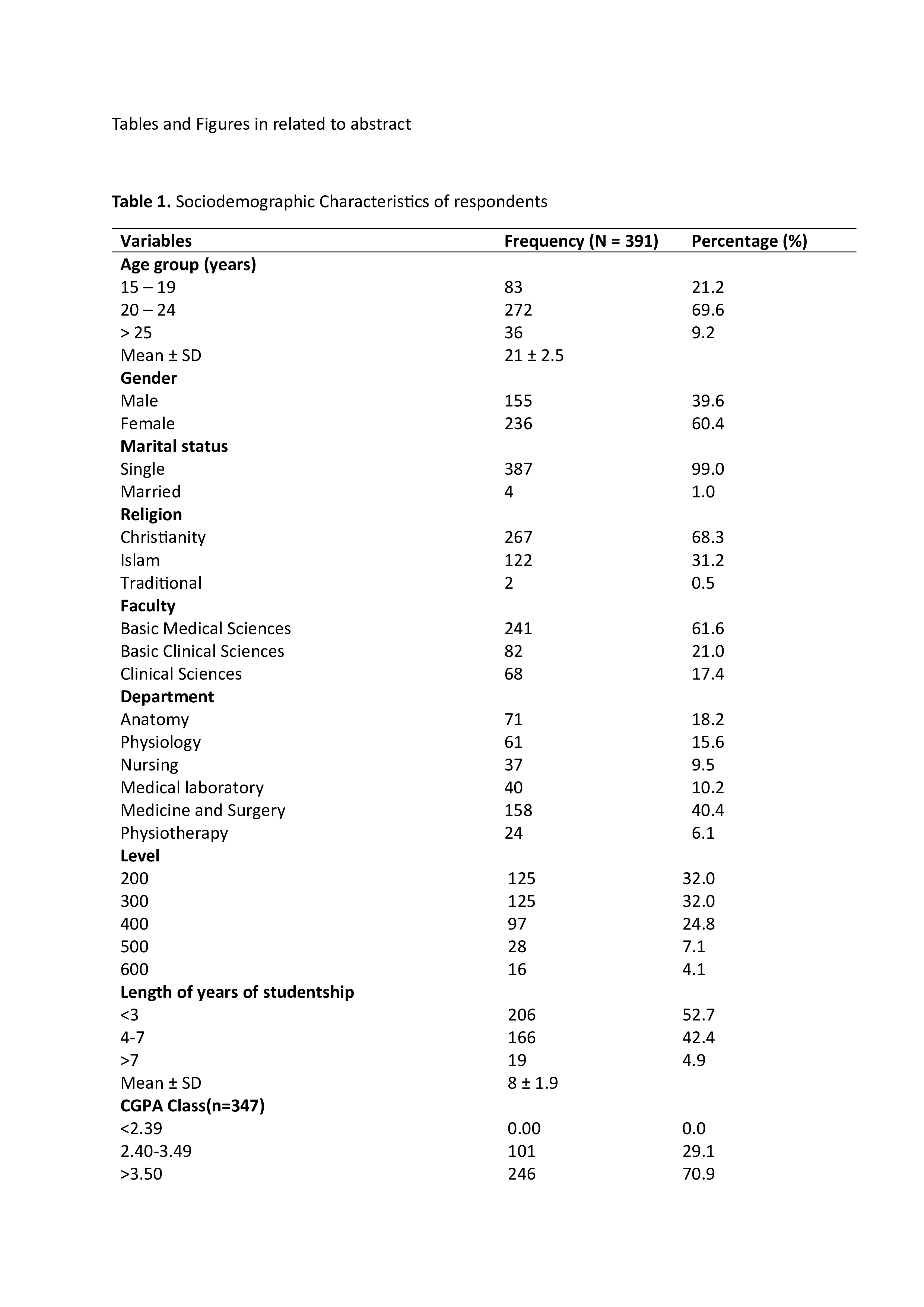
Sociodemographic characteristics of respondents
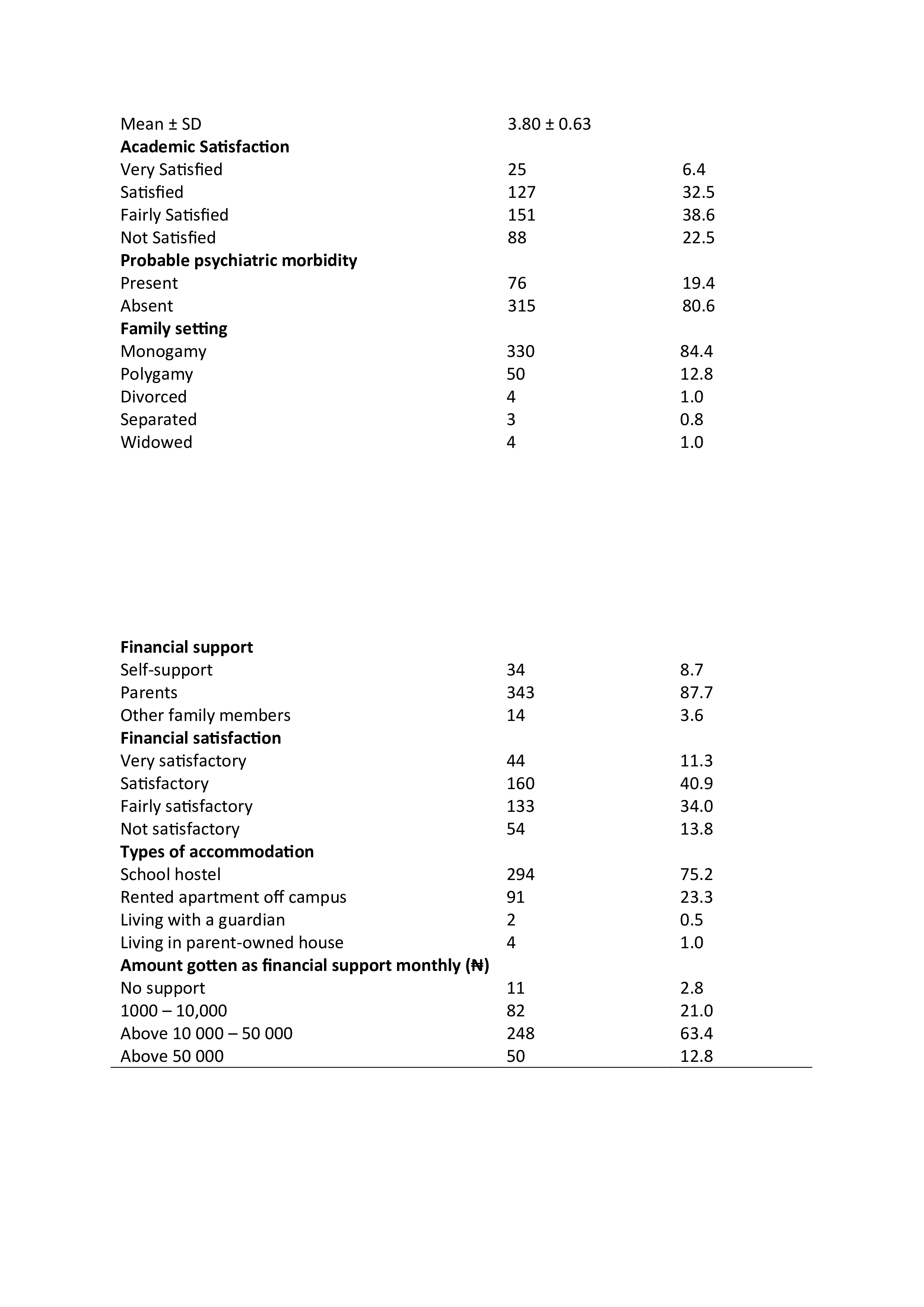
Sociodemographic characteristics of respondents
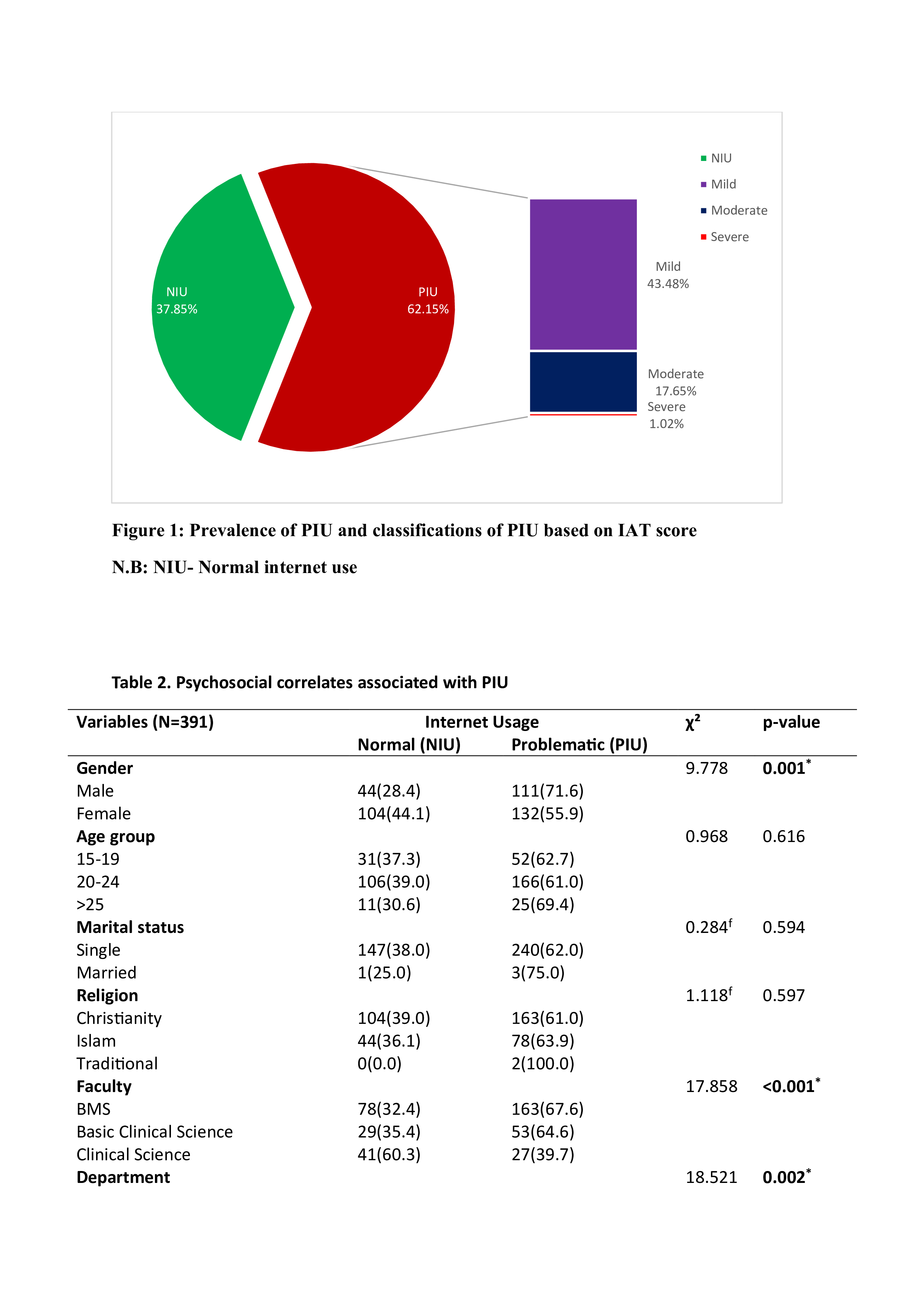
Prevalence of problematic internet use
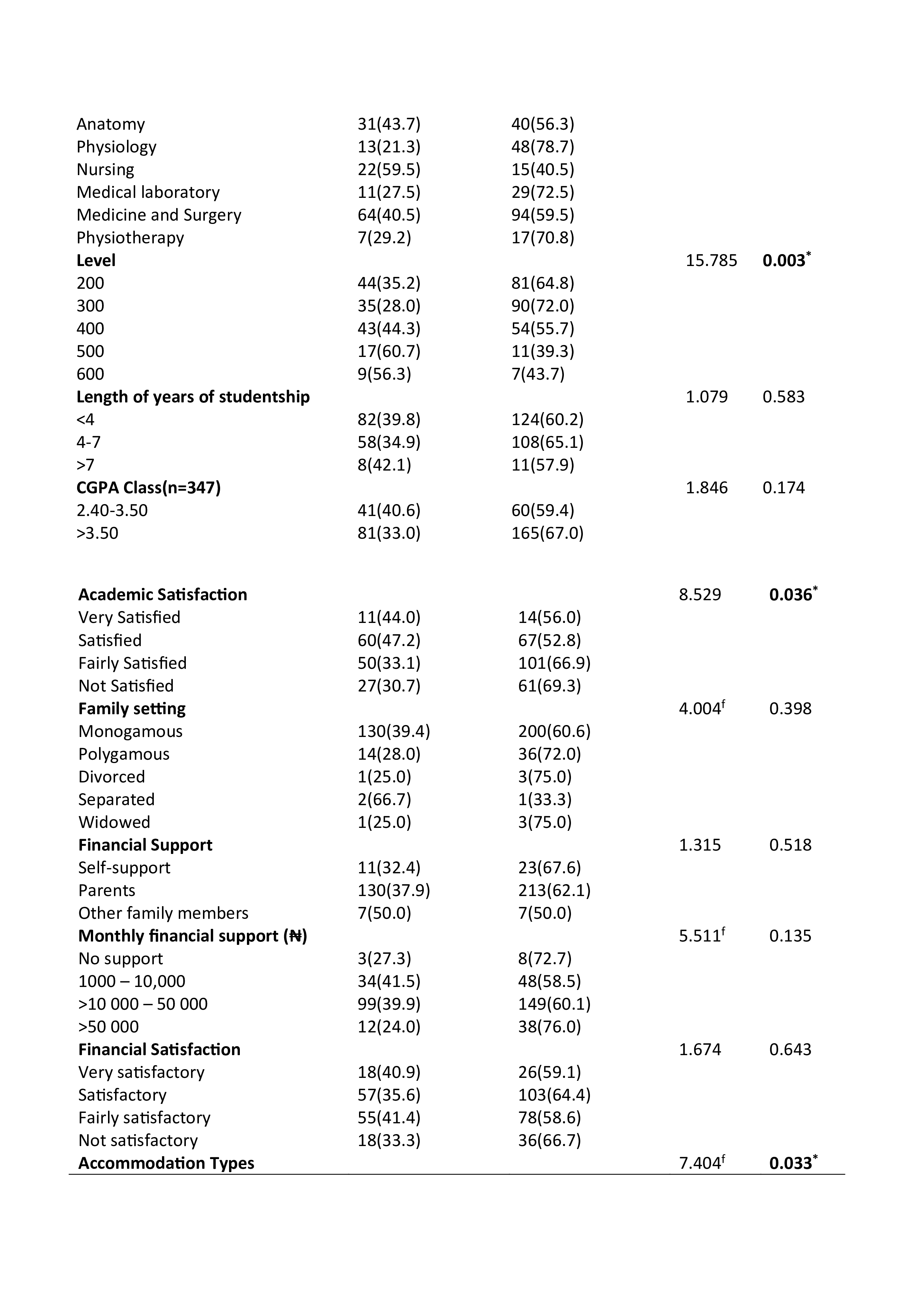
Psychosocial correlates associated with PIU
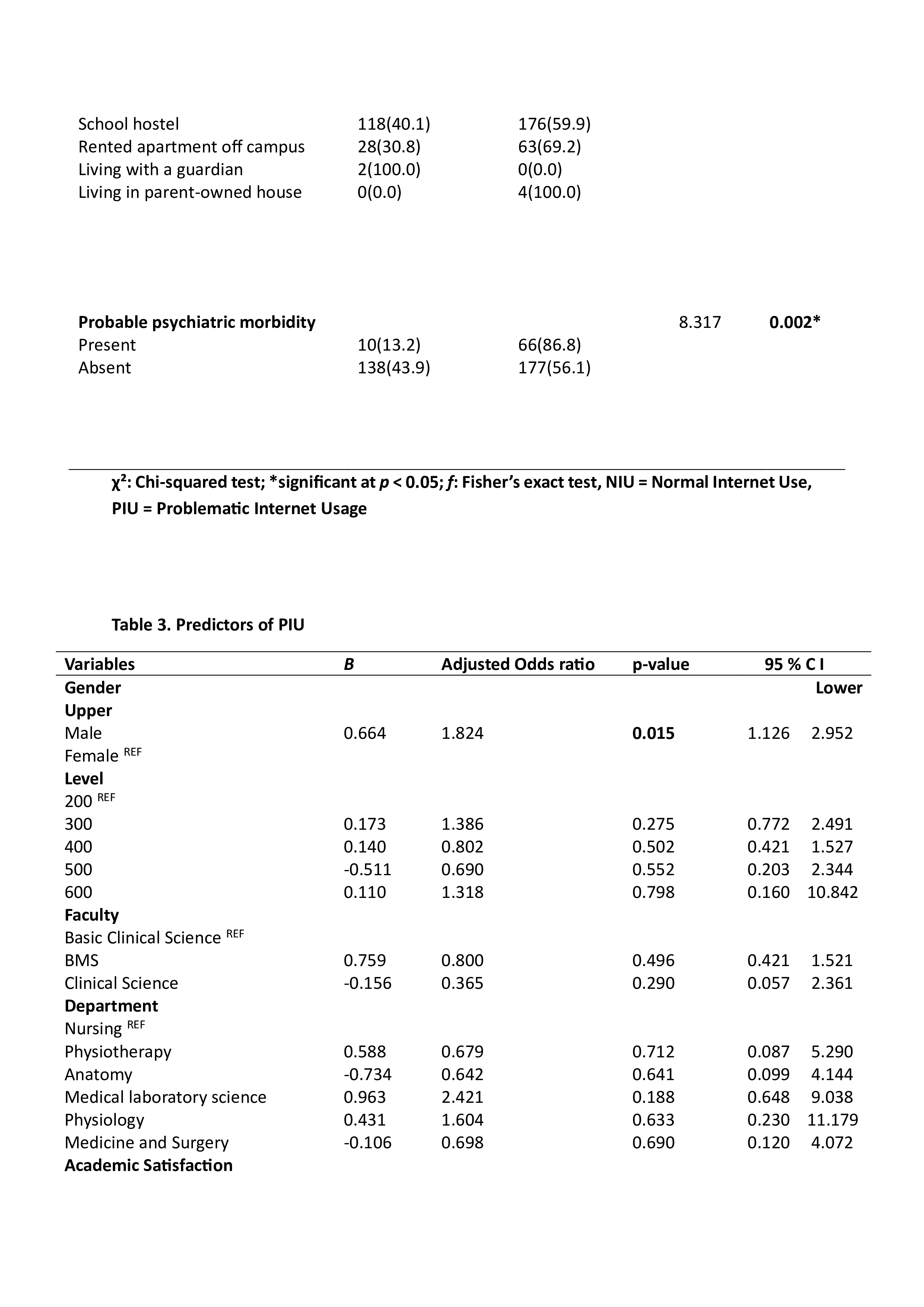
Predictors of Problematic internet use
To cite this abstract in AMA style:
T. Adeoye, O. Buhari, O. Adeoye. Beyond Parkinson’s Disease, Impulse Control Dysregulation: The Psychosocial Correlates of Problematic Internet Use [abstract]. Mov Disord. 2026; 41 (suppl 1). https://www.mdsabstracts.org/abstract/beyond-parkinsons-disease-impulse-control-dysregulation-the-psychosocial-correlates-of-problematic-internet-use/. Accessed October 1, 2026.« Back to 2026 International Congress
MDS Abstracts - https://www.mdsabstracts.org/abstract/beyond-parkinsons-disease-impulse-control-dysregulation-the-psychosocial-correlates-of-problematic-internet-use/