
Category: Tremor
Objective: To define disease-specific tremor frequency and oscillatory signatures across Parkinson’s disease (PD), essential tremor (ET), and dystonic tremor (DT) and assess their diagnostic utility.
Background: Peak tremor frequency is an objective electrophysiological marker that may aid tremor classification. While PD and ET have been compared previously, simultaneous three-group analyses including DT-a clinically overlapping and diagnostically challenging syndrome – remain scarce, and quantitative biomarkers for DT are not well established.
Method: Consecutive adults with PD, ET, or DT underwent standardized surface electromyography and accelerometry during rest, posture, and action. Spectral analysis extracted peak frequency from the clinically predominant tremor state (rest for PD; posture for ET and DT) to maximize physiological relevance. Group differences were tested using ANOVA. Diagnostic performance was evaluated using receiver operating characteristic analysis.
Results: A total of 288 patients were included over a 5-year period (2021-2025), including 153 with PD, 96 with ET, and 39 with DT. Peak frequency demonstrated a clear, monotonic stepwise gradient across syndromes (PD: 4.99±0.88 Hz, DT: 6.08±1.49 Hz, ET: 7.22±1.61 Hz; p<0.001) [Figure 1]. Half-bandwidth analysis showed narrow, regular oscillations in PD (0.79±0.02) and ET (0.86±0.03), but significantly broader, irregular oscillations in DT (1.34±0.20; p<0.001). Peak frequency provided acceptable discrimination between DT and ET (cut-off 5.95; AUC 0.69; 77% sensitivity, 69% specificity) [Figure 2] and good-to-moderate discrimination between DT and PD (cut-off 5.65 Hz; AUC 0.74; 61.5% sensitivity, 81.2% specificity) [Figure 3].
Conclusion: This direct three-group comparison identifies distinct electrophysiological signatures, with DT occupying an intermediate but irregular profile between PD and ET. Combining peak frequency with tremor regularity may provide practical biomarkers to support objective and reproducible tremor classification in routine clinical practice.
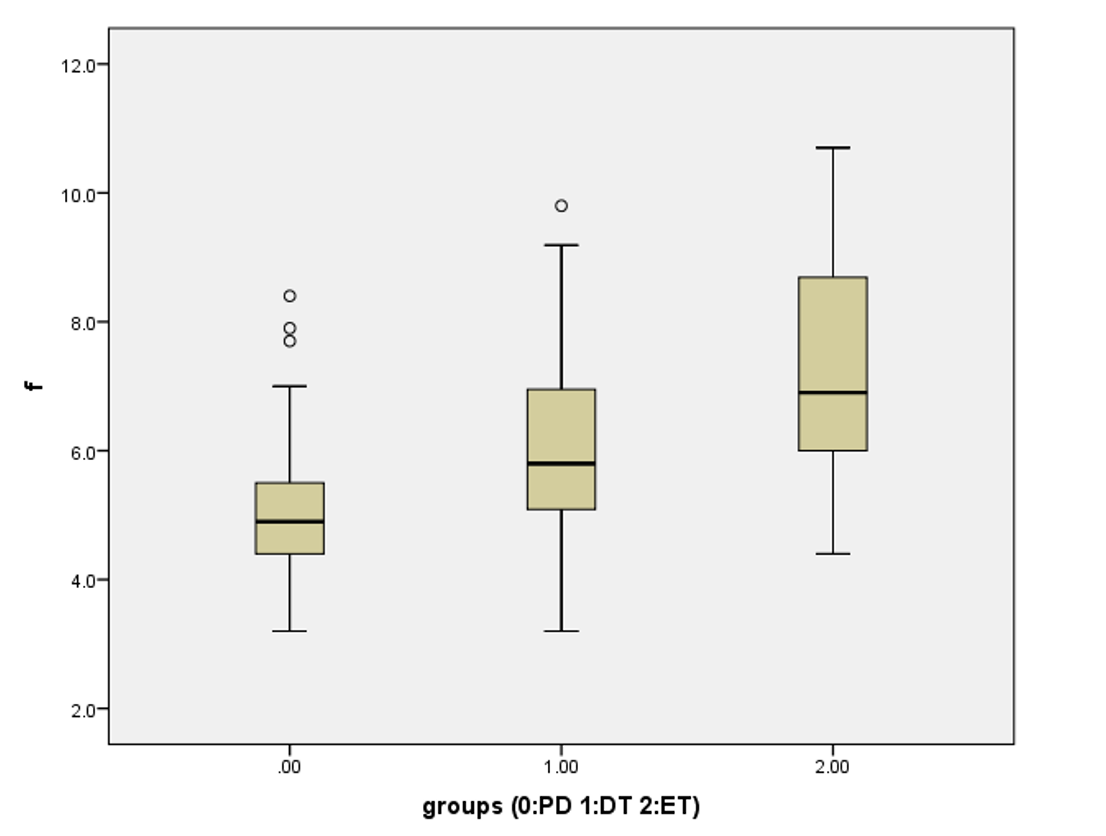
Figure 1: Peak Frequency Among PD, DT, and ET
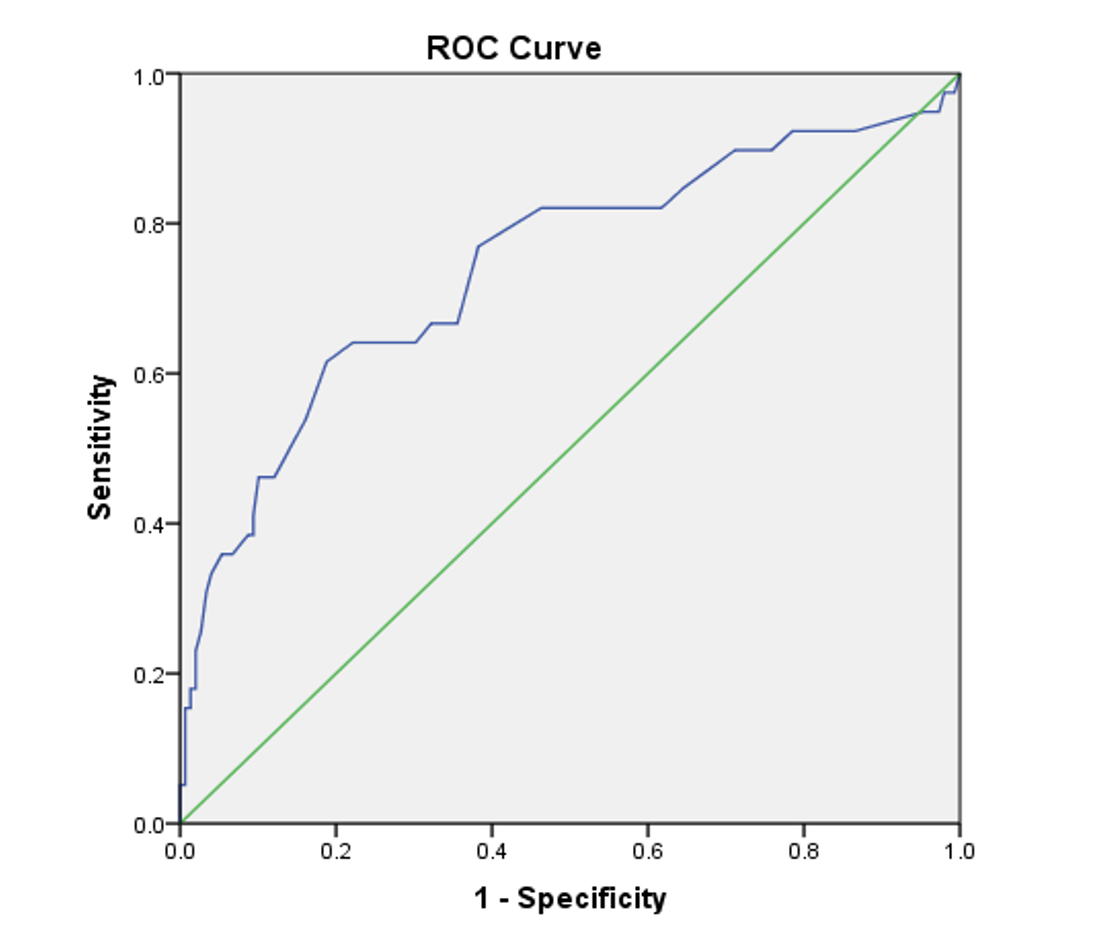
Figure 2: ROC Curve for Discriminating DT from ET
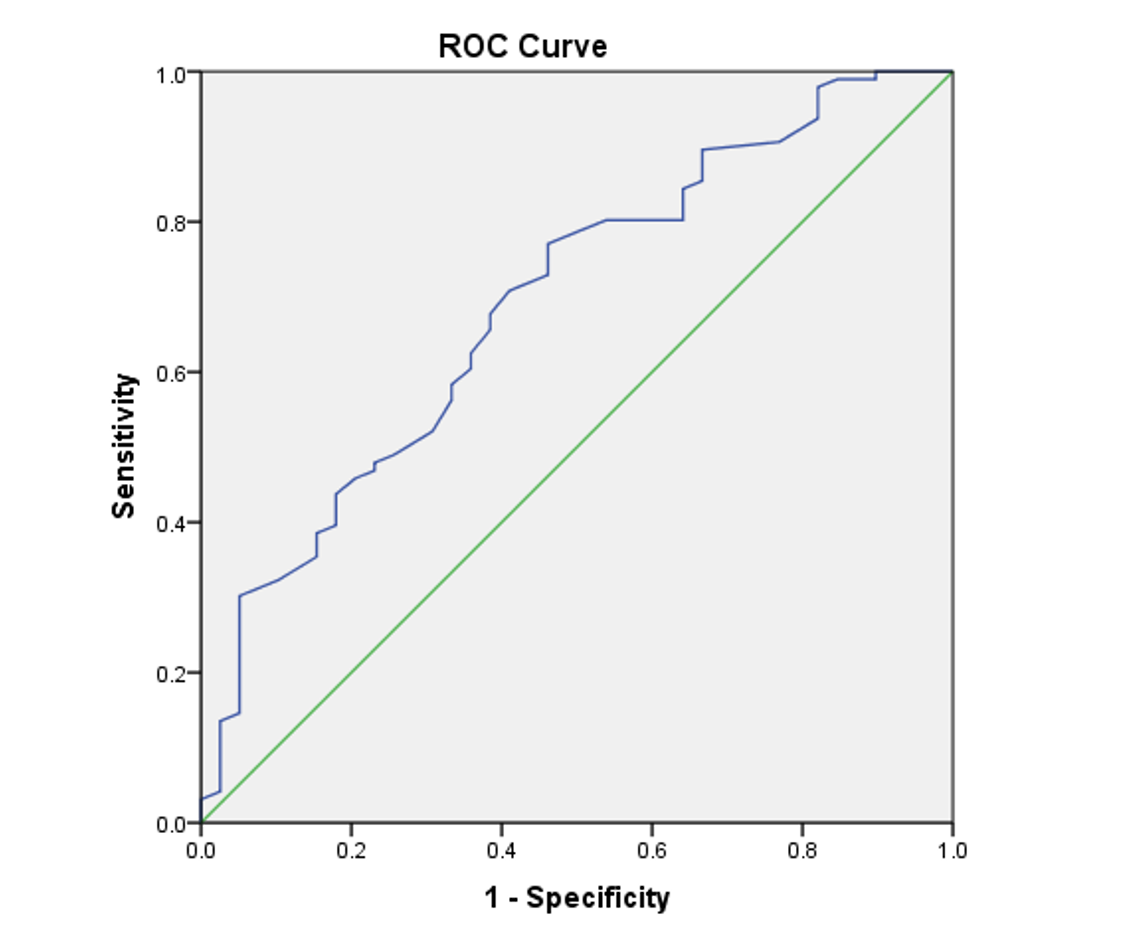
Figure 3: ROC Curve for Discriminating DT from PD
References: 1. Bhatia KP, Bain P, Bajaj N, et al. Consensus Statement on the classification of tremors. from the task force on tremor of the International Parkinson and Movement Disorder Society. Mov Disord. 2018;33(1):75-87. doi:10.1002/mds.27121
2. Schwingenschuh P, Van der Stouwe M, Pandey S, et al. Clinical neurophysiology for tremor: Common questions in clinical practice. Parkinsonism & Related Disorders. 2025;130:107196. doi:10.1016/j.parkreldis.2024.107196
3. Cichaczewski E, Munhoz RP, Maia JM, Nohama P, Nóvak EM, Teive HA. Electrophysiologic characteristics of tremor in Parkinson’s disease and essential tremor. Arq Neuro-Psiquiatr. 2014;72:301-306. doi:https://doi.org/10.1590/0004-282X20140006
4. Gulati K, Pandey S. Surface Electromyography for the Diagnosis of Tremor Syndrome: A Study of 97 Patients. Ann Indian Acad Neurol. 2024;27(6):690-694. doi:10.4103/aian.aian_553_24
5. Panyakaew P, Cho HJ, Lee SW, Wu T, Hallett M. The Pathophysiology of Dystonic Tremors and Comparison With Essential Tremor. J Neurosci. 2020;40(48):9317-9326. doi:10.1523/JNEUROSCI.1181-20.2020
To cite this abstract in AMA style:
V. Thi Hinh, V. Hoang Yen, N. Hai Yen, T. Hue Linh, N. van Lieu. Electrophysiological Signatures of Peak Tremor Frequency Differentiate Parkinson’s Disease, Essential Tremor, and Dystonic Tremor: A Three-Way Comparative Study [abstract]. Mov Disord. 2026; 41 (suppl 1). https://www.mdsabstracts.org/abstract/electrophysiological-signatures-of-peak-tremor-frequency-differentiate-parkinsons-disease-essential-tremor-and-dystonic-tremor-a-three-way-comparative-study/. Accessed October 1, 2026.« Back to 2026 International Congress
MDS Abstracts - https://www.mdsabstracts.org/abstract/electrophysiological-signatures-of-peak-tremor-frequency-differentiate-parkinsons-disease-essential-tremor-and-dystonic-tremor-a-three-way-comparative-study/