
Objective: This systematic review evaluates the effect of probiotic supplementation on gut microbiome composition and disease progression or control in PD patients.
Background: Parkinson’s disease (PD) is a progressive neurodegenerative disorder with motor and non‑motor symptoms. Gut microbiota dysbiosis has been implicated in PD pathogenesis, linking microbial alterations to gastrointestinal dysfunction, inflammation, and disease progression. Probiotics, as microbiota‑modulating agents, are increasingly studied as adjunctive therapies to restore microbial balance and improve outcomes.
Method: PubMed and ScienceDirect were searched for studies published between 2016 and 2026 using the terms “Parkinson’s disease,” “probiotics,” “gut microbiota,” and “microbiome.” Inclusion criteria were studies reporting gut microbiome composition in PD patients receiving probiotics, with or without clinical outcomes. Exclusion criteria were animal studies, case reports, reviews, and unavailable full texts. Six eligible studies were analyzed for microbiome diversity, dominant taxa, and clinical outcomes.
Results: Probiotics consistently improved constipation and other gastrointestinal symptoms. Microbiome analyses showed enrichment of beneficial taxa such as Faecalibacterium prausnitzii, Christensenella, and Bifidobacterium, with reductions in potentially pathogenic genera including Odoribacter and Eubacterium hallii. Some studies reported increased short‑chain fatty acid production, improved stool consistency, and enhanced bowel movement frequency. Clinical benefits extended beyond gastrointestinal function, with reductions in anxiety, depression, REM sleep behavior disorder, and modest improvements in motor scores. However, global microbiome diversity changes were limited, and effects varied across probiotic strains and study designs.
Conclusion: Probiotic supplementation in PD patients improves gut microbiota composition and alleviates gastrointestinal and selected non‑motor symptoms, with emerging evidence for modest motor benefits. Larger, standardized trials are needed to clarify probiotics’ role in disease control and progression.
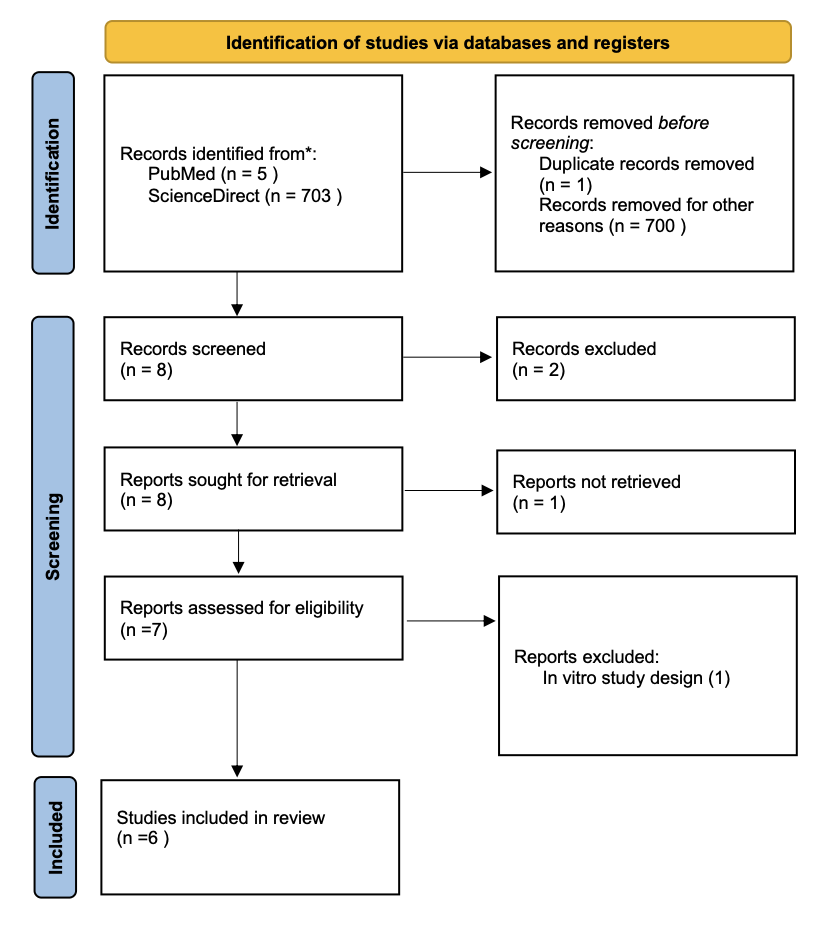
PRISMA Diagram
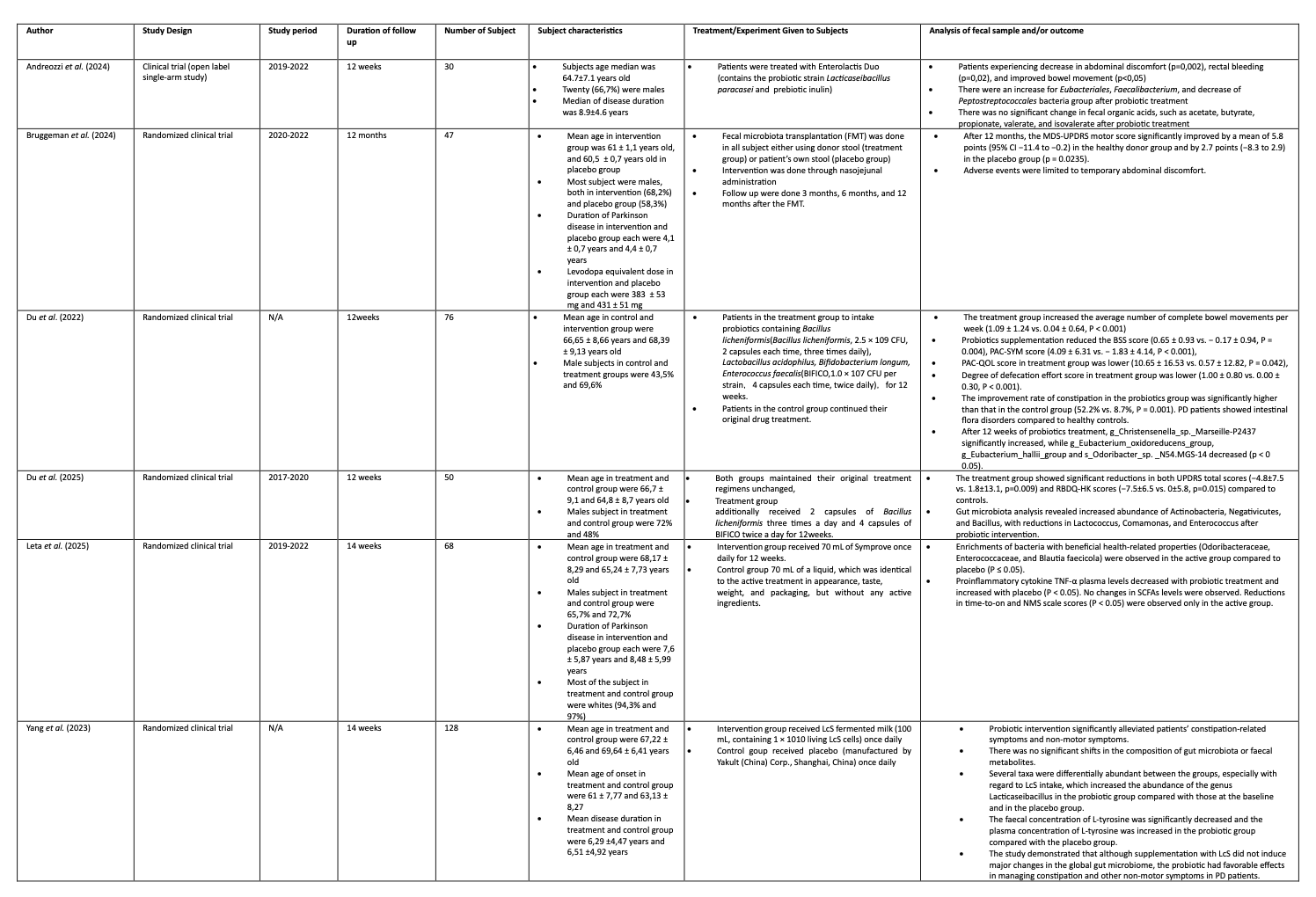
Extracted data of each study
To cite this abstract in AMA style:
A. Suhendro, A. Kristanto, S. Trisnawati. Therapeutic Potential of Probiotics for Clinical Management in Parkinson’s Disease: A Systematic Review [abstract]. Mov Disord. 2026; 41 (suppl 1). https://www.mdsabstracts.org/abstract/therapeutic-potential-of-probiotics-for-clinical-management-in-parkinsons-disease-a-systematic-review/. Accessed October 1, 2026.« Back to 2026 International Congress
MDS Abstracts - https://www.mdsabstracts.org/abstract/therapeutic-potential-of-probiotics-for-clinical-management-in-parkinsons-disease-a-systematic-review/