
Objective: To systematically review clinical evidence on herbal medicines for Parkinson’s disease (PD), focusing on motor and non-motor symptoms (NMS).
Background: Levodopa remains the standard treatment for PD; however, long-term use is associated with motor fluctuations and dyskinesia. These limitations have led to growing interest in herbal medicines as complementary approaches, although clinical evidence remains inconclusive.
Method: A comprehensive search of PubMed, Scopus, and ScienceDirect identified 9,963 records. After removing 3,161 duplicates using Rayyan, 6,802 records were screened. An additional 260 records were identified through manual hand searching. Eligible studies included randomized controlled trials (RCTs), observational studies, case-control studies, and case series (≥2 patients). Twenty-three studies met inclusion criteria. Risk of bias was assessed using RoB 2 and tools for non-randomized studies. Evidence was categorized into grades A–D using predefined grading criteria. The review followed PRISMA 2020 guidelines and was registered in PROSPERO (CRD420261276805).
Results: Six herbal interventions were identified: Mucuna pruriens, Curcuma longa, Apium graveolens L., Bacopa monnieri, Glycine max, and Cannabis sativa. Mucuna pruriens improved motor outcomes comparable to levodopa (grade A), increased ON time without worsening dyskinesia (grade A), and improved dyskinesia (grade B). It also improved quality of life and sexual function, comparable to levodopa (grade B). Curcuma longa improved autonomic and NMS scores (grade C). Apium graveolens improved motor outcomes (grade B), sleep-related NMS (grade B), and quality of life (grade B). Bacopa monnieri improved non-motor outcomes, particularly emotional symptoms (grade B). Glycine max improved dyskinesia (grade B). Evidence for Cannabis sativa was inconclusive for sleep, neuropsychiatric symptoms, anxiety, depression, quality of life, and activities of daily living (grade D).
Conclusion: Some herbal medicines may offer benefits for PD symptoms. Mucuna pruriens and Apium graveolens demonstrated benefits in motor outcomes. In addition, Mucuna pruriens increased ON time without worsening dyskinesia and improved dyskinesia, while other herbs showed potential benefits for NMS and quality of life. However, the certainty of evidence is limited by heterogeneous study designs and small sample sizes. Further well-designed RCTs with larger populations are needed.
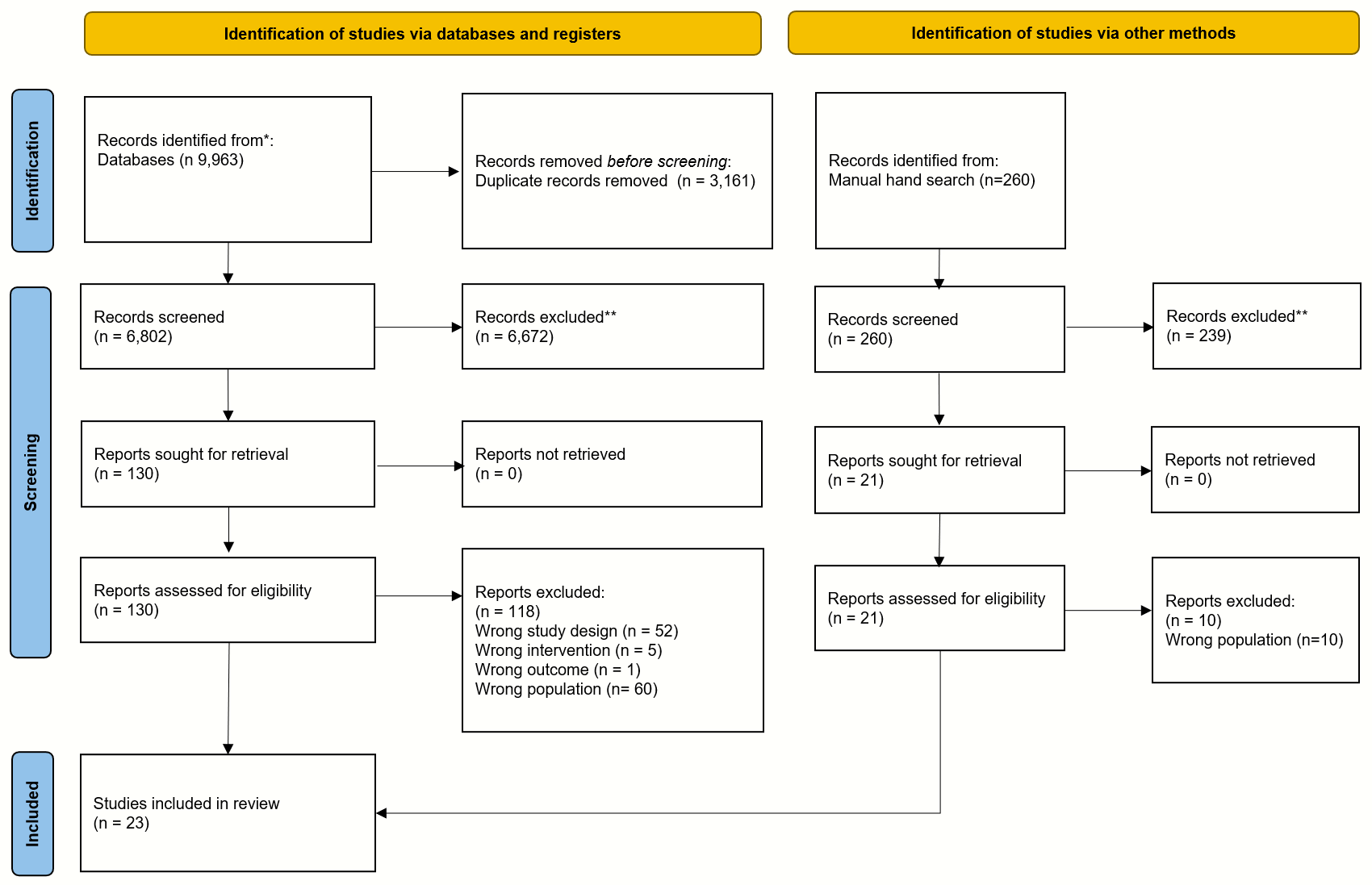
Figure 1 PRISMA 2020 flow diagram
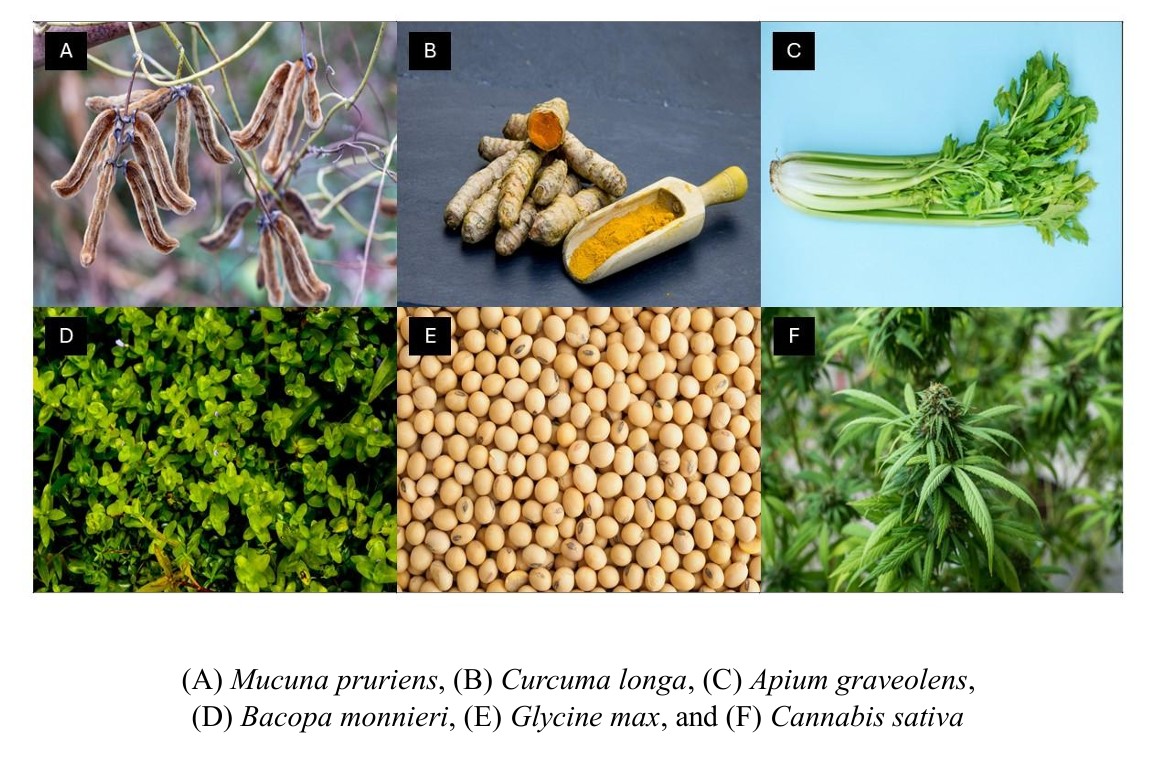
Figure 2 Herbal medicines in the included studies
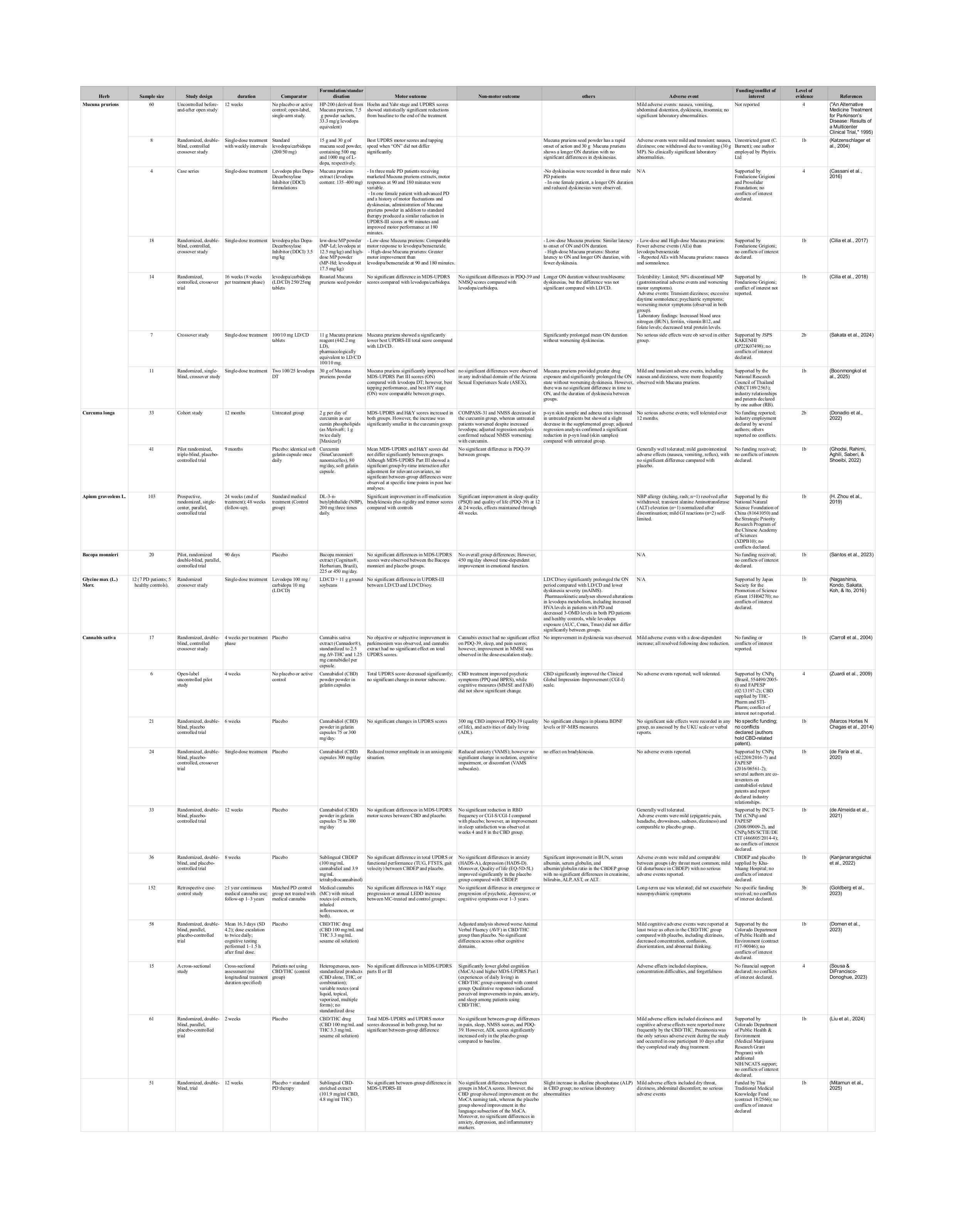
Table 1 Characteristics of included studies
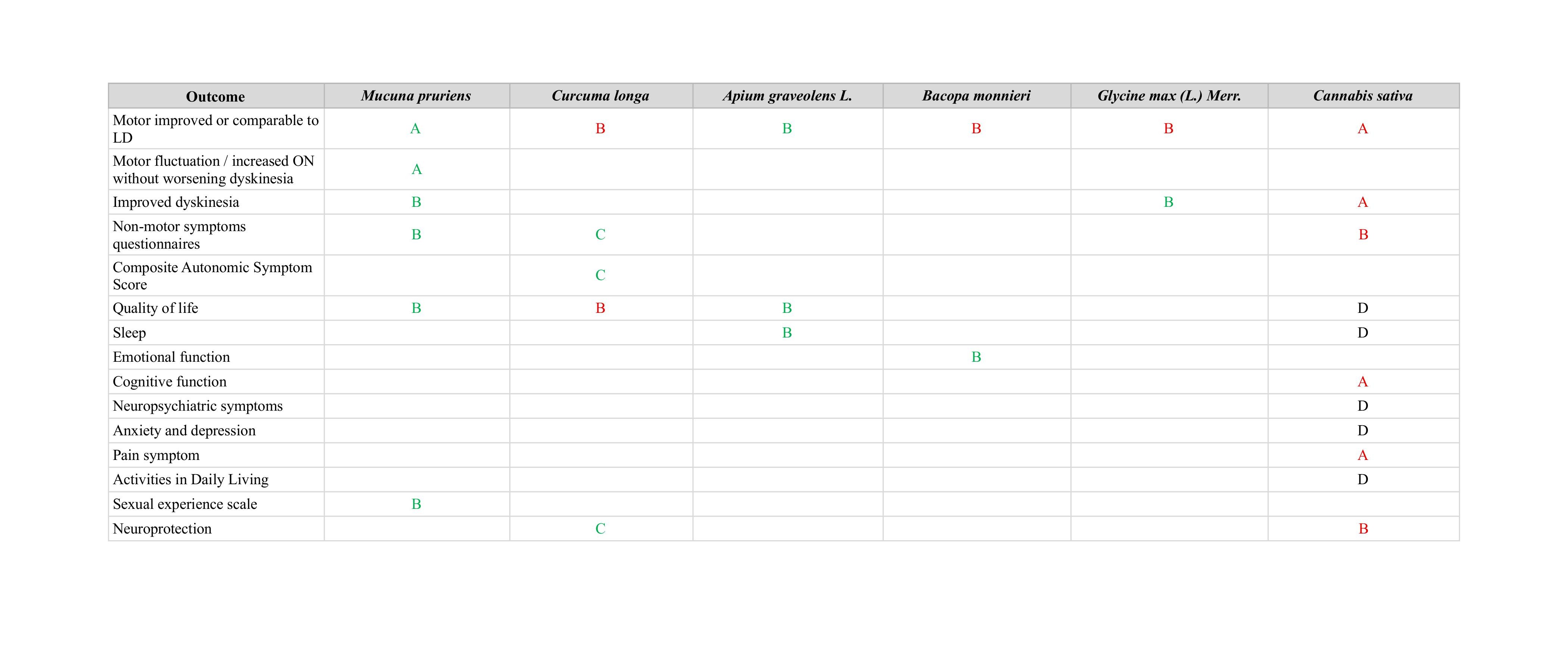
Table 2 Certainty of evidence (GRADE).
To cite this abstract in AMA style:
N. Sukmueng, O. Phokeawvarangkul, R. Bhidayasiri. From Roots to Relief: A Systematic Review of Herbal Medicines in Parkinson’s Management [abstract]. Mov Disord. 2026; 41 (suppl 1). https://www.mdsabstracts.org/abstract/from-roots-to-relief-a-systematic-review-of-herbal-medicines-in-parkinsons-management/. Accessed October 1, 2026.« Back to 2026 International Congress
MDS Abstracts - https://www.mdsabstracts.org/abstract/from-roots-to-relief-a-systematic-review-of-herbal-medicines-in-parkinsons-management/