
Category: Parkinson’s Disease: Clinical Trials
Objective: To evaluate whether acupuncture combined with anti-Parkinson medication improves balance in patients with PD.
Background: Parkinson’s disease (PD) frequently causes balance dysfunction in older patients. Balance dysfunction is a disabling axial symptom and a major cause of falls, especially in older patients. Falls lead to fractures, loss of independence, and reduced quality of life. Axial symptoms are often less responsive to dopaminergic therapy, indicating an unmet need. Although acupuncture may benefit balance disorders, its efficacy in PD-related balance impairment remains unclear. Therefore, this study investigated whether acupuncture combined with medication improves objective balance parameters in PD.
Method: This randomized clinical trial was conducted at the First Affiliated Hospital of Guangzhou University of Chinese Medicine. Participants were randomized to an acupuncture group (Acu) or waitlist control (WL). The Acu group received acupuncture three times weekly for 4 weeks while maintaining stable medication. The WL group continued medication alone. The primary outcomes were footscan pressure parameters, including X-axis range, Y-axis range, traveled distance, ellipse area, and mediolateral balance. Assessments were performed at baseline and after treatment.
Results: Baseline characteristics were comparable between groups [Table 1]. Compared with WL, the Acu group showed significantly greater reductions in X-axis sway (−4.45; 95% CI −7.25 to −1.66; P=0.002) and Y-axis sway (−3.74; 95% CI −6.27 to −1.21; P=0.004). Ellipse area was also significantly reduced (−13.19; 95% CI −23.12 to −3.26; P=0.001). Traveled distance decreased in the Acu group compared with WL (−27.81; 95% CI −59.68 to 4.06; P=0.038). No significant between-group difference was observed in mediolateral balance [Table 2].
Conclusion: Acupuncture combined with medication reduced center-of-pressure sway amplitude and ellipse area, indicating improved postural stability in PD. Short-term acupuncture may enhance objective balance performance without altering mediolateral sway patterns and could serve as a complementary strategy to standard pharmacotherapy.
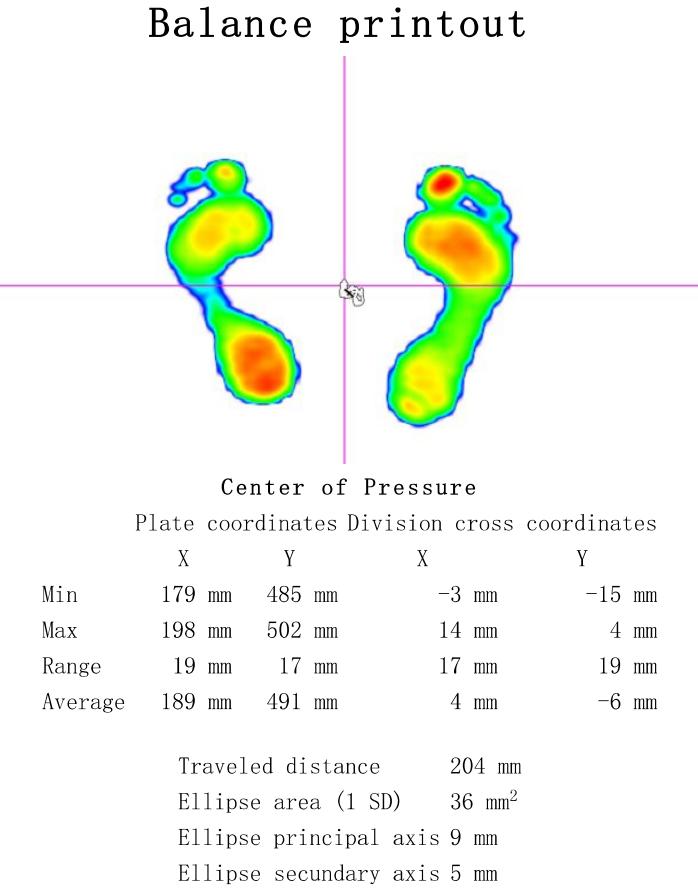
Figure 1 Sample footscan pressure image
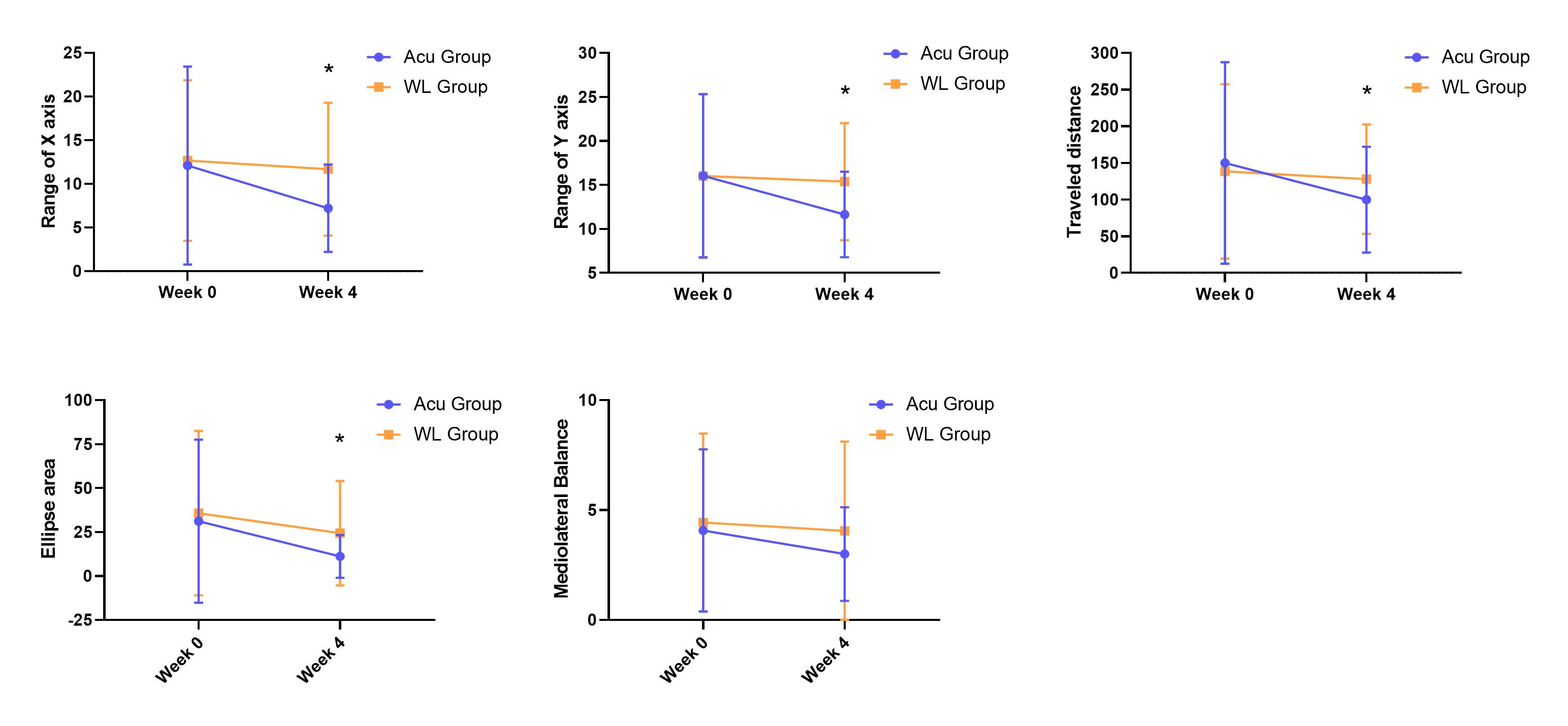
Figure 2 Efficacy outcomes of two groups
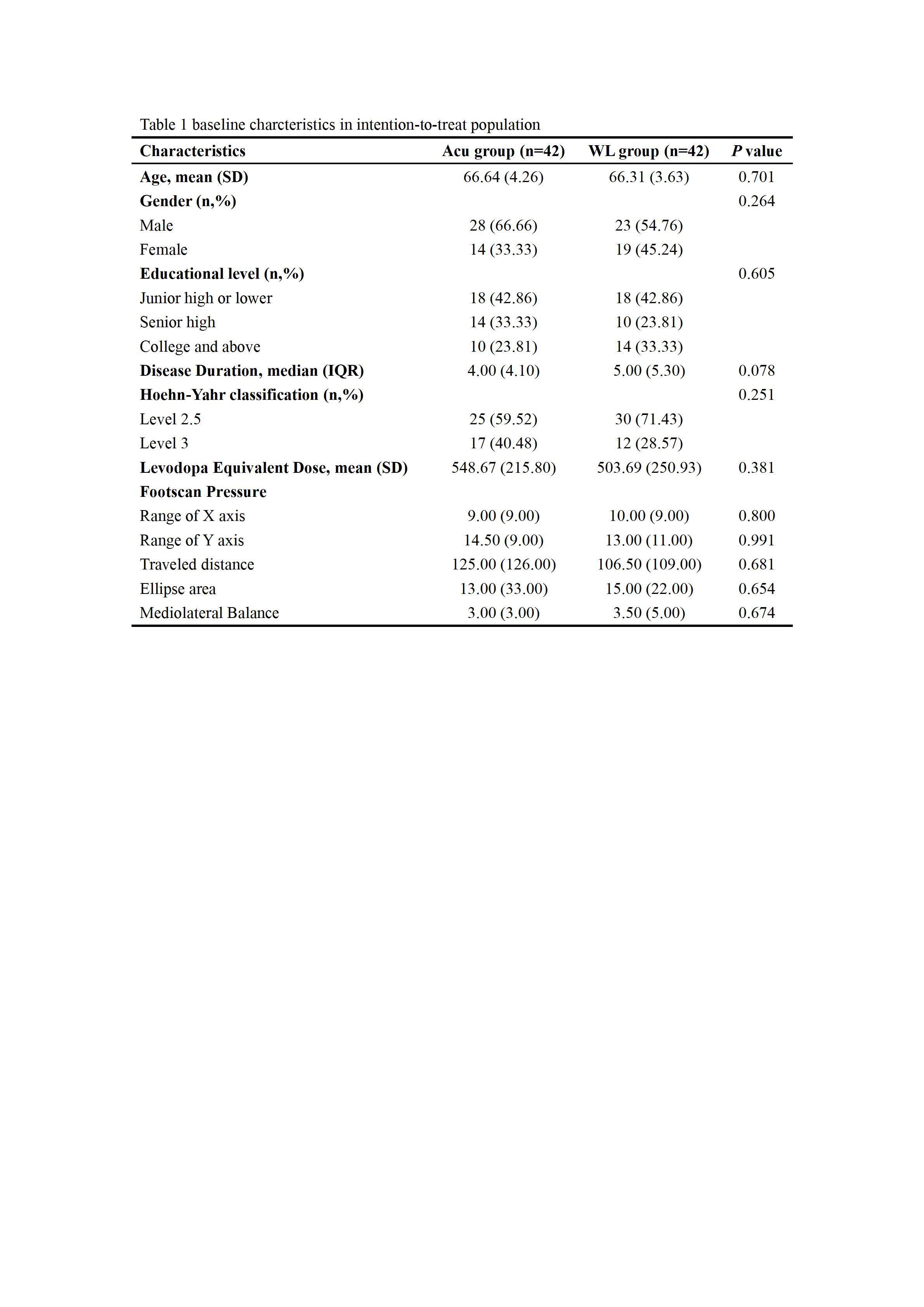
Table 1 baseline charcteristics in ITT population
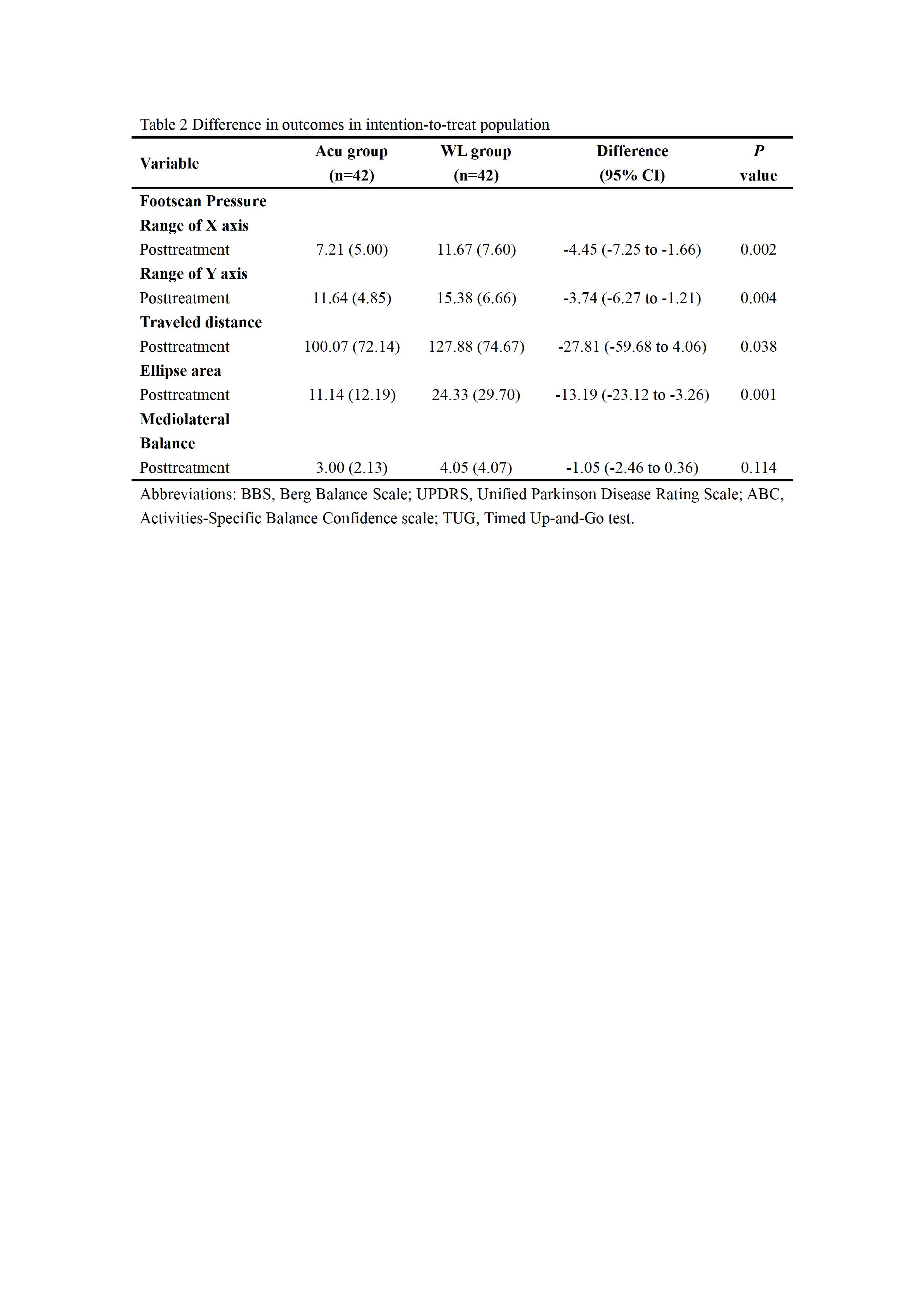
Table 2 Difference in outcomes in ITT population
To cite this abstract in AMA style:
X. Liu, Q. Liu, SM. Lin, MY. Yan, YX. Wu, JQ. Fan, YF. Zhang, LX. Zhuang. Acupuncture Combined with Anti-Parkinson Medication Improves Objective Balance Parameters in Patients with Parkinson’s Disease [abstract]. Mov Disord. 2026; 41 (suppl 1). https://www.mdsabstracts.org/abstract/acupuncture-combined-with-anti-parkinson-medication-improves-objective-balance-parameters-in-patients-with-parkinsons-disease/. Accessed October 1, 2026.« Back to 2026 International Congress
MDS Abstracts - https://www.mdsabstracts.org/abstract/acupuncture-combined-with-anti-parkinson-medication-improves-objective-balance-parameters-in-patients-with-parkinsons-disease/