
Category: Technology
Objective: To assess whether longitudinal acoustic analysis can objectively capture treatment response to botulinum toxin type a (BoNT-A) in laryngeal dystonia.
Background: Objective longitudinal markers of treatment response in laryngeal dystonia remain limited. In some patients, voice may improve even when injections are delivered to adjacent extra-laryngeal muscles rather than intrinsic laryngeal muscles [1].
Method: A female patient with segmental cranial dystonia with laryngeal involvement underwent serial voice recordings and repeated BoNT-A treatment. We compared an initial recording from 2023, a pre-injection recording obtained before the next treatment cycle in 2025, and daily recordings collected during 1 month after injection in 2025 (24 sustained-vowel and 22 connected-speech samples). No intralaryngeal injections were administered. At all treatment cycles, injections were delivered only to adjacent extra-laryngeal targets, according to the injection scheme shown in Figure1. Acoustic analysis included acoustic voice quality index (AVQI), cepstral peak prominence smoothed (CPPS), harmonic-to-noise ratio (HNR), jitter, shimmer, glottal-to-noise excitation ratio (GNE), and voice breaks.
Results: Compared with 2023, the 2025 pre-injection recording showed sustained improvement in overall voice quality and sustained-vowel phonation: AVQI decreased from 8.55 to 7.17, CPPS increased from 4.96 to 11.27, HNR from 10.00 to 15.56, jitter decreased from 0.85 to 0.42, and voice breaks from 72.2 to 0. During the month after injection, the clearest short-term changes were observed in connected speech versus the 2025 pre-injection recording: mean CPPS increased from 7.70 to 10.01, HNR from 12.06 to 14.93, jitter decreased from 2.27 to 2.00, shimmer from 13.12 to 9.78, and GNE increased from 0.68 to 0.74 (Figure2).
Conclusion: Longitudinal acoustic analysis captured both sustained inter-cycle benefit and additional post-injection improvement, particularly in connected speech. This case supports digital voice analysis as a feasible objective tool for treatment monitoring in laryngeal dystonia and suggests that clinically meaningful improvement may occur even after injections into adjacent extra-laryngeal muscles.
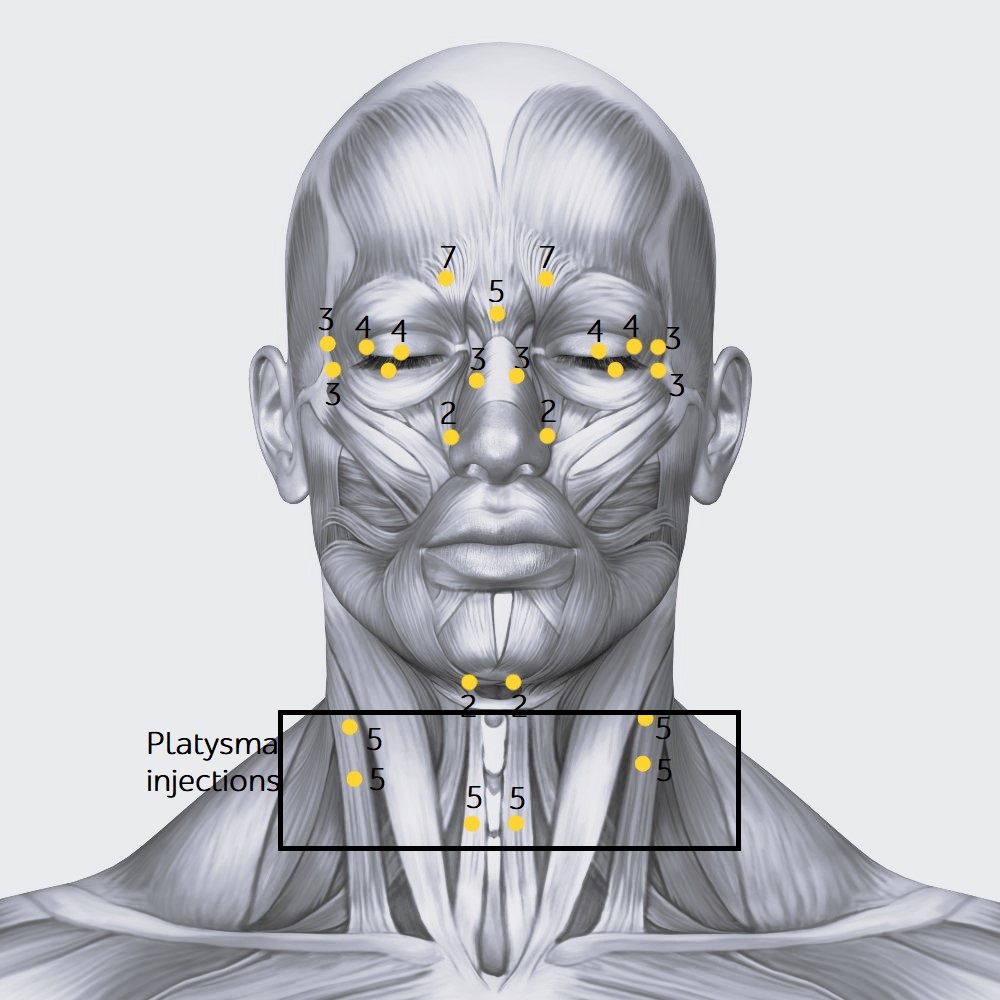
Figure 1. Injections scheme (IncoBoNT-A units)
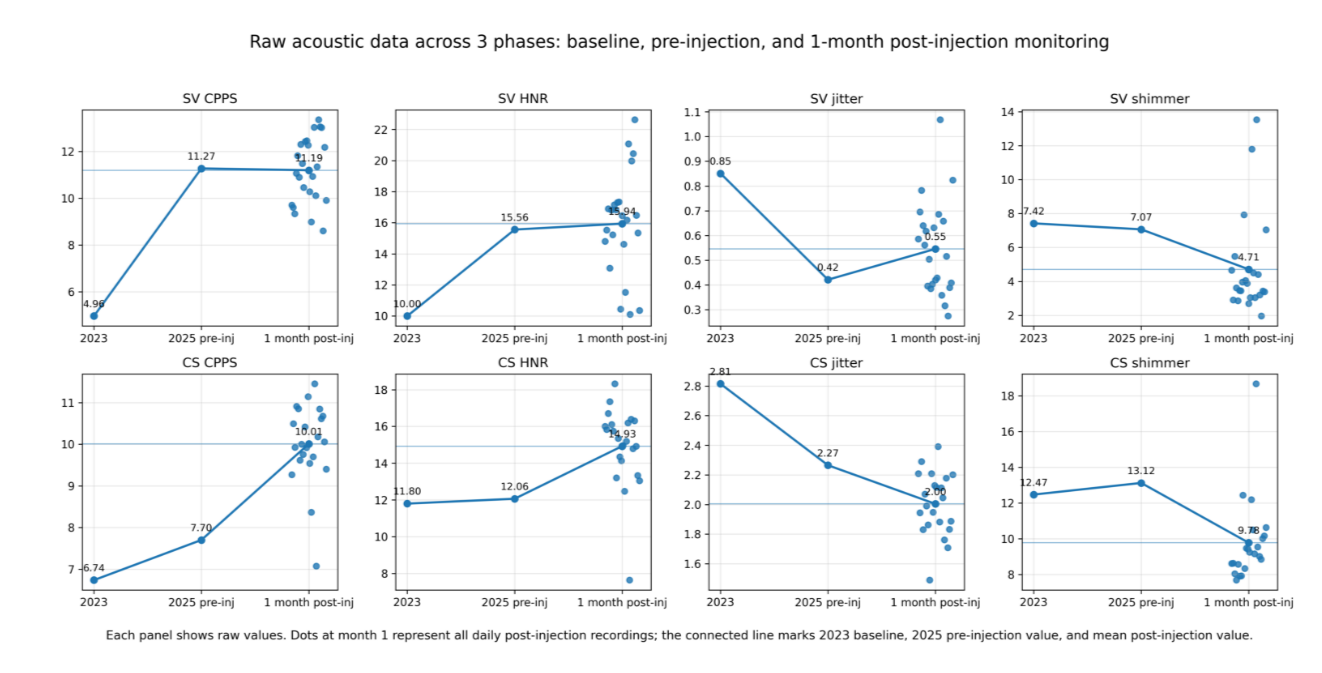
Figure 2. Longitudinal acoustic response.
References: 1. Yeung, W.; Richards, A.L.; Novakovic, D. Botulinum Neurotoxin Therapy in the Clinical Management of Laryngeal Dystonia. Toxins 2022, 14, 844. https://doi.org/ 10.3390/toxins14120844
To cite this abstract in AMA style:
D. Khasanova, I. Khasanov, Z. Zalyalova. Digital acoustic biomarkers of botulinum toxin response in laryngeal dystonia: a longitudinal case report [abstract]. Mov Disord. 2026; 41 (suppl 1). https://www.mdsabstracts.org/abstract/digital-acoustic-biomarkers-of-botulinum-toxin-response-in-laryngeal-dystonia-a-longitudinal-case-report/. Accessed October 1, 2026.« Back to 2026 International Congress
MDS Abstracts - https://www.mdsabstracts.org/abstract/digital-acoustic-biomarkers-of-botulinum-toxin-response-in-laryngeal-dystonia-a-longitudinal-case-report/