
Objective: To identify baseline demographic and clinical factors associated with the final titrated dose of sublingual apomorphine (SL-APO) in patients with Parkinson’s disease (PD) experiencing OFF episodes.
Background: SL-APO is an on-demand treatment for OFF episodes in PD, requiring individualized dose titration to achieve optimal efficacy and tolerability. Understanding baseline predictors of maintenance dose may support a more tailored titration strategy in clinical practice.
Method: Baseline characteristics from the CTH-301 dose-optimisation phase were examined across five SL-APO doses (10–30 mg) from de novo patients. Associations between variables and SL-APO dose were evaluated using univariate ordinal logistic regression. Odds ratios with 95% confidence intervals were calculated for continuous and categorical variables, and statistical significance was set at p<0.05.
Results: Several baseline factors showed significant associations with higher SL-APO doses. Patients with greater motor severity, reflected in higher MDS-UPDRS Part I, II, III, and Total scores (all p<0.001), were more likely to titrate to higher doses. A higher total daily levodopa dose was also significantly associated with higher SL-APO doses (p<0.001). In addition, the presence of delayed ON (p=0.018) and a greater number of daily OFF episodes (p=0.005) were associated with requiring higher doses. No significant associations were observed for age, sex, BMI, Hoehn &Yahr stage, cognitive status, PD duration, motor fluctuations duration, tremor, wearing-off, morning akinesia, sudden OFF, or duration of OFF episodes.
Conclusion: Patients who required higher SL-APO doses presented with more severe baseline motor symptoms, higher levodopa requirements, delayed ON, and more frequent OFF episodes. These findings indicate that individuals with a greater motor burden and more complex fluctuation profiles may require higher SL-APO doses, providing useful guidance for clinicians during dose titration to achieve an optimal therapeutic effect.

Table 1. Factores associated with SL-APO dose
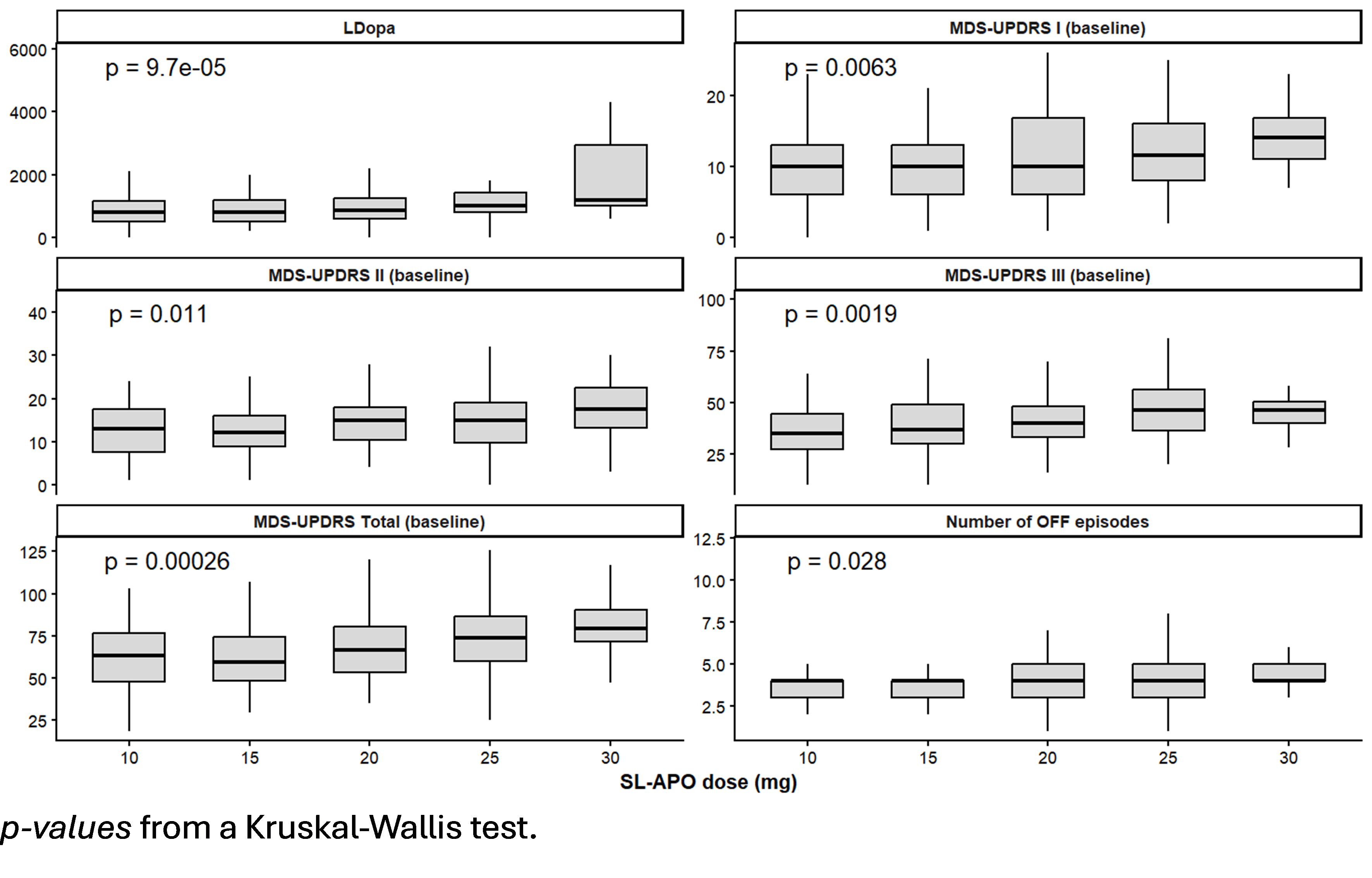
Figure 1. Factores associated with SL-APO dose
To cite this abstract in AMA style:
J. Kassubek, J. Schwarz, L. López Manzanares, J. Reis, H. C. Brigas, C. Denecke-Muhr, J. Holenz. Baseline Factors Associated with Sublingual Apomorphine Film Maintenance Dose [abstract]. Mov Disord. 2026; 41 (suppl 1). https://www.mdsabstracts.org/abstract/baseline-factors-associated-with-sublingual-apomorphine-film-maintenance-dose/. Accessed October 1, 2026.« Back to 2026 International Congress
MDS Abstracts - https://www.mdsabstracts.org/abstract/baseline-factors-associated-with-sublingual-apomorphine-film-maintenance-dose/