
Objective: To perform a descriptive comparison of patient-reported perception of improvement with opicapone across phase III and IV studies in patients with fluctuating Parkinson’s disease (PD).
Background: Patient perception of improvement is a key component of patient-centered outcome assessment in PD and is widely used in clinical trials to interpret improvements in PD symptoms.
Method: Patient-reported improvement was measured using the Patient Global Impression of Change (PGI-C) in participants with PD experiencing motor fluctuations treated with opicapone 50mg in the Phase III BIPARK I/II trials as well as the phase IV studies: OPTIPARK and the ADOPTION clinical program (CP). A post-hoc analysis from BIPARK I/II in those with early onset of fluctuations (≤2 years) was also conducted. Comparators included placebo (BIPARK I/II) or levodopa dose escalation (+100 mg; ADOPTION CP). For this descriptive comparison, the outcomes was the proportion (%) of patients reporting improvement on the PGI-C.
Results: In the BIPARK I/II trials, 59.7% of patients receiving opicapone reported improvement compared with 51.2% receiving placebo [Figure 1]. Among patients with early onset of fluctuations treated with opicapone, 69.8% reported improvement. In the real world OPTIPARK study, which included a broader and more advanced fluctuating population, 76.9% of participants reported improvement following treatment with opicapone. In the ADOPTION clinical program, enrolling patients with early onset of fluctuations (<2 years), 79.7% of those treated with opicapone reported improvement, compared with 69.0% receiving an additional 100 mg of levodopa. Across studies, high rates of perceived benefit were reported, with numerically greater improvements observed when opicapone was introduced earlier, at wearing-off onset.
Conclusion: Opicapone was associated with consistent patient-perceived improvement from phase III to post-approval studies in fluctuating PD. While placebo and trial participation effects may contribute to perceived improvement, numerically greater benefits were observed with opicapone across studies. The data support the use of opicapone across the spectrum of OFF symptoms, including in patients with mild motor fluctuations, particularly at the first signs of wearing-off, to optimise patient-centred outcomes.
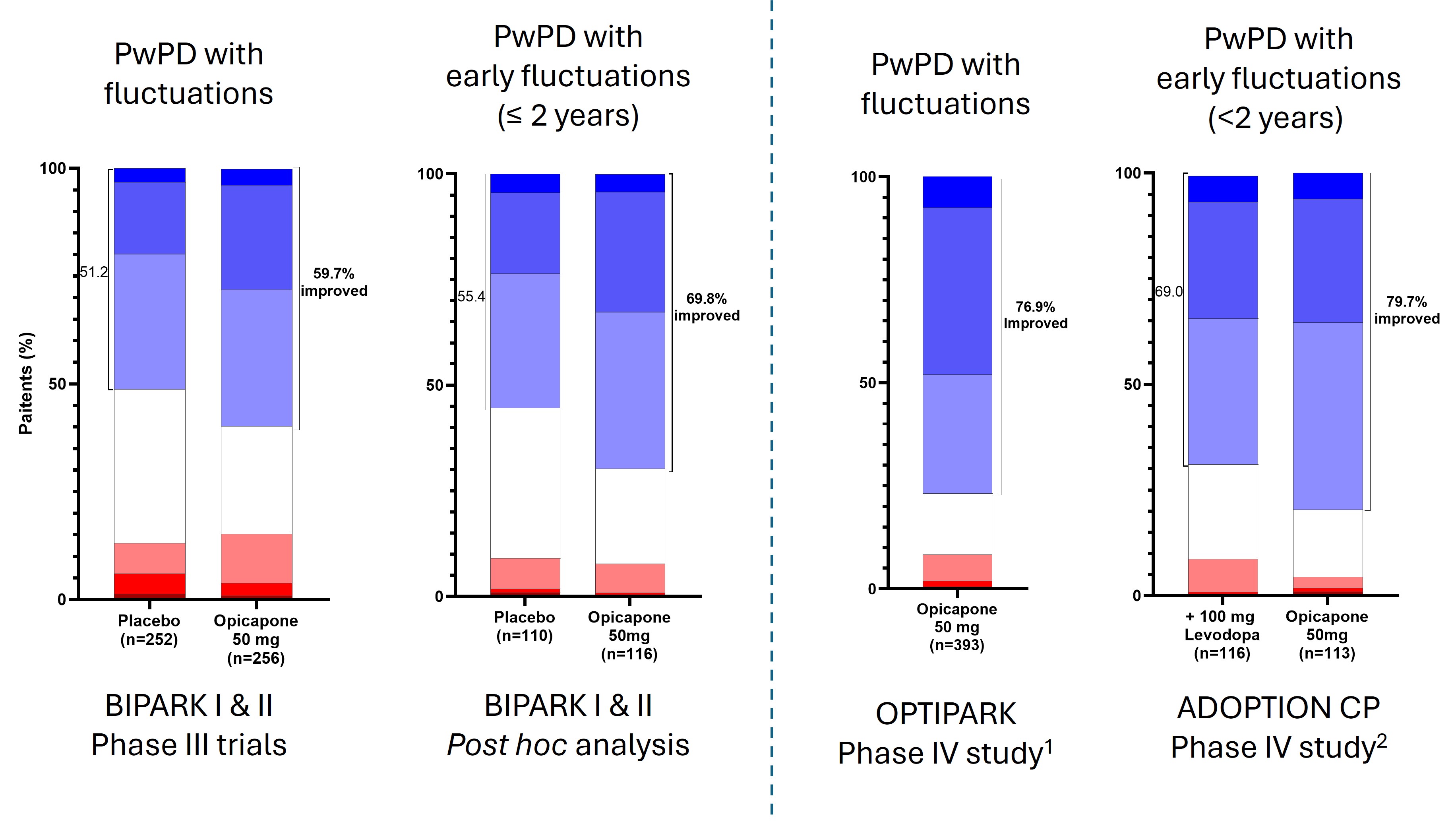
Figure 1. Patient global impression of change
References: [1] Reichmann H, et al. Transl Neurodegener. 2020 Mar 4;9(1):9.
[2] Ferreira JJ, et al. J Neurol. 2024 Oct;271(10):6729-6738.
To cite this abstract in AMA style:
H. C Brigas, C. Carroll, E. Freire, M. Pötter-Nerger, A. S. Morgadinho, B. Belvisi, D. Ramos, B. Fidalgo Dias, J. Holenz, J. J Ferreira. Patient self-rated Improvements with Opicapone: From randomized trials to Phase IV studies in fluctuating Parkinson’s Disease [abstract]. Mov Disord. 2026; 41 (suppl 1). https://www.mdsabstracts.org/abstract/patient-self-rated-improvements-with-opicapone-from-randomized-trials-to-phase-iv-studies-in-fluctuating-parkinsons-disease/. Accessed October 1, 2026.« Back to 2026 International Congress
MDS Abstracts - https://www.mdsabstracts.org/abstract/patient-self-rated-improvements-with-opicapone-from-randomized-trials-to-phase-iv-studies-in-fluctuating-parkinsons-disease/