
Objective: To analyze disease progression in relation to changes in body weight (BW) and body mass index (BMI) over two years in Parkinson’s disease (PD) patients.
Background: PD is associated with BW and BMI changes, as a result of metabolic alterations, treatment, or disease progression. However, the association between PD progression and longitudinal changes in BW and BMI remains unclear.[1-4]
Method: The study was a two-year follow-up retrospective observational study of patients with PD. Body weight (ΔBW) and body mass index (ΔBMI) changes were calculated from baseline to follow-up. Disease progression was evaluated according to changes in the Unified Parkinson’s Disease Rating Scale (UPDRS), modified Hoehn and Yahr stage (mH&Y), and levodopa equivalent daily dose (LEDD). Bivariate analyses were conducted with Pearson or Spearman correlation tests, and independent t-tests for categorical variables. Multivariate linear regression analysis was performed to ascertain factors associated with changes in BW and BMI.
Results: A total of 53 patients were included in the study. Over two years, the mean change in BW was −0.92 ± 7.20 kg, and the mean change in BMI was −0.39 ± 2.61 kg/m². Bivariate analyses showed no significant associations between changes in BW or BMI and age, disease duration, ΔUPDRS scores, ΔH&Y stage, ΔLEDD, or sex (all p > 0.05). Multivariate regression analysis also found no significant predictors of changes in BW or BMI.
Conclusion: Changes in BW and BMI over two years did not show a significant relationship to clinical impairment measures of disease progression among patients with PD.
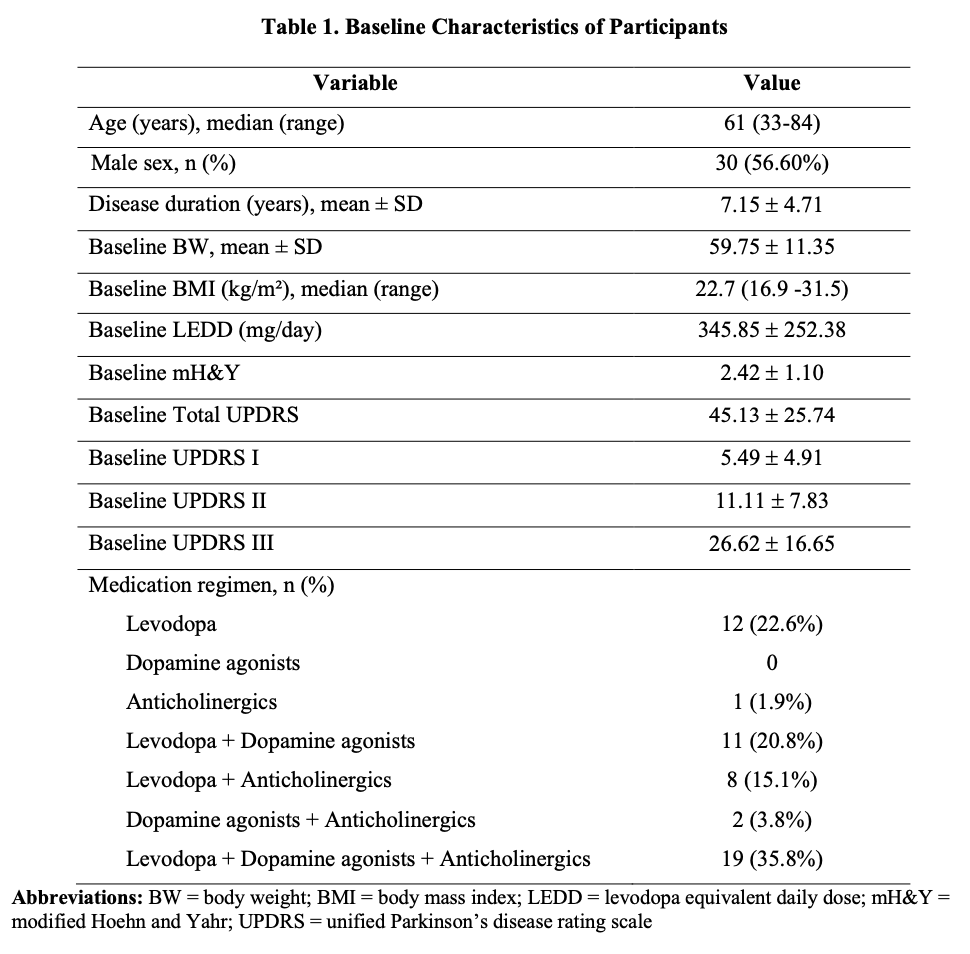
Table 1. Baseline Characteristics of Participants
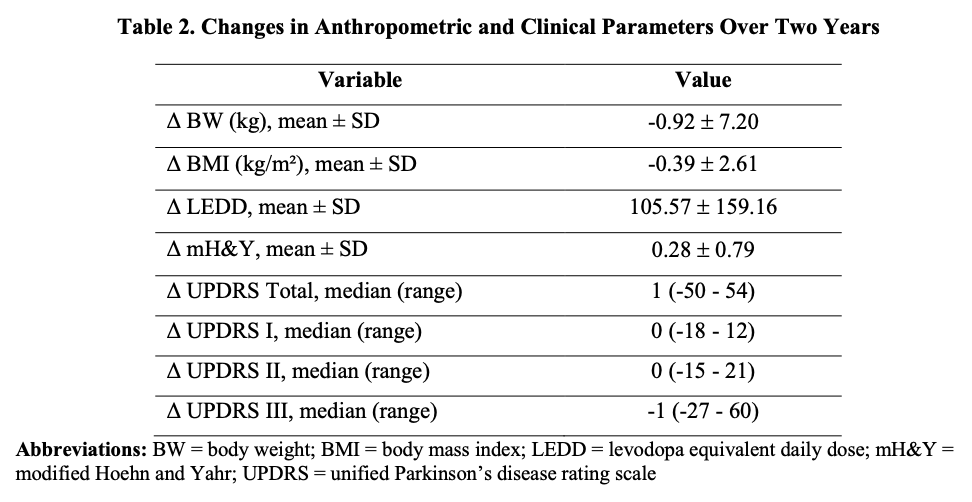
Table 2. Anthropometric and Clinical Changes
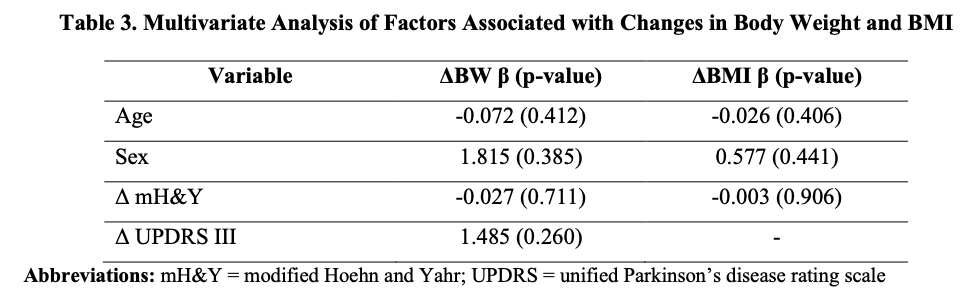
Table 3. Multivariate Model of BW and BMI Changes
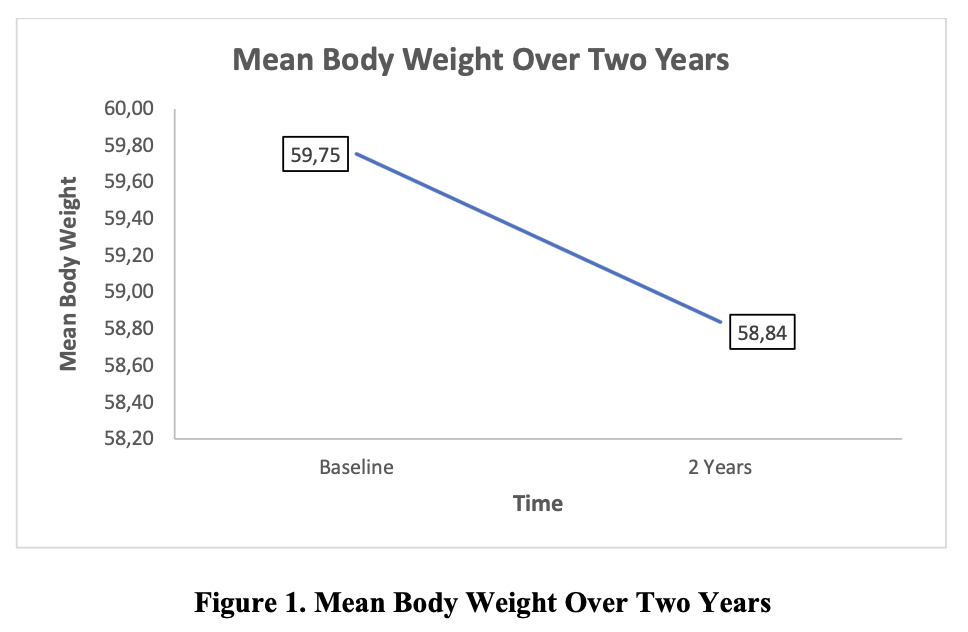
Figure 1. Mean Body Weight Over Two Years
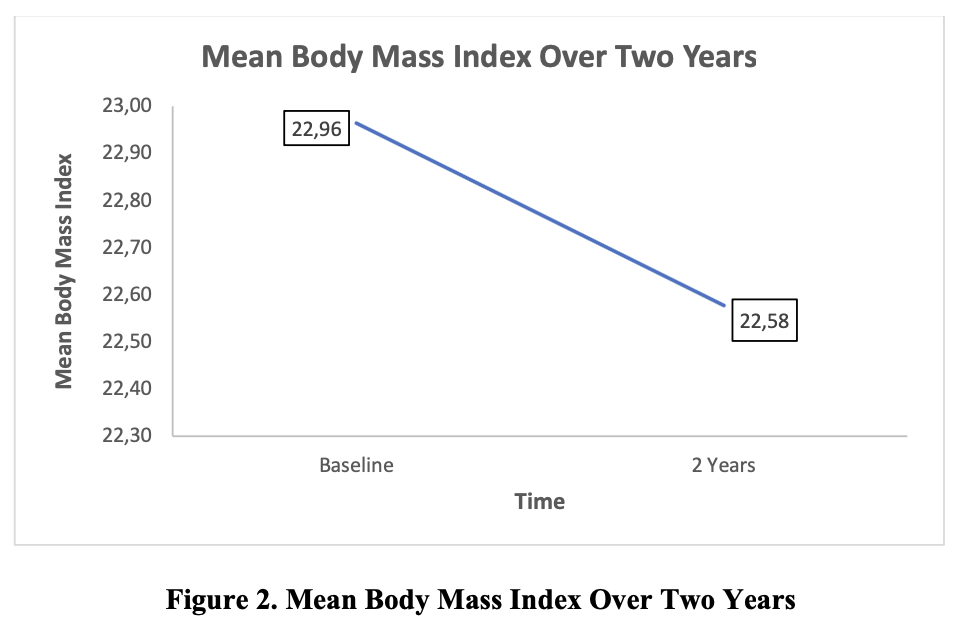
Figure 2. Mean Body Mass Index Over Two Years
References: 1. Henderson EJ, Nodehi A, Graham F, Smith M, Lithander FE, Ben-Shlomo Y, et al. Trajectory of change in body mass index in Parkinson’s disease. Parkinsonism Relat Disord. 2025 Jan;130:107174.
2. SS. Musthafa, D. Tunjungsari, A. Tiksnadi. Nutritional Status of Patients with Parkinson’s Disease: Report from Indonesian Tertiary Referral Hospital [Internet]. MDS Abstracts. [cited 2025 Mar 25]. Available from: https://www.mdsabstracts.org/abstract/nutritional-status-of-patients-with-parkinsons-disease-report-from-indonesian-tertiary-referral-hospital/
3. Morales-Briceño H, Cervantes-Arriaga A, Rodríguez-Violante M, Calleja-Castillo J, Corona T. Overweight is more prevalent in patients with Parkinson’s disease. Arq Neuropsiquiatr. 2012 Nov;70(11):843–6.
4. Jaafar AF, Gray WK, Porter B, Turnbull EJ, Walker RW. A cross-sectional study of the nutritional status of community-dwelling people with idiopathic Parkinson’s disease. BMC Neurol. 2010 Dec;10(1):124.
To cite this abstract in AMA style:
NF. Rahmy, D. Tunjungsari, A. Tiksnadi. Weight and Body Mass Index Changes in Parkinson’s Disease and Their Association with Disease Progression: A Two-Year Longitudinal Study [abstract]. Mov Disord. 2026; 41 (suppl 1). https://www.mdsabstracts.org/abstract/weight-and-body-mass-index-changes-in-parkinsons-disease-and-their-association-with-disease-progression-a-two-year-longitudinal-study/. Accessed October 1, 2026.« Back to 2026 International Congress
MDS Abstracts - https://www.mdsabstracts.org/abstract/weight-and-body-mass-index-changes-in-parkinsons-disease-and-their-association-with-disease-progression-a-two-year-longitudinal-study/