
Objective: The objective of this work was to develop a novel wearable device-based framework for simple at-home motor skills testing paired with a machine learning (ML) model to differentiate between normal and abnormal data collected by simulating Parkinson’s Disease (PD) associated motor symptoms. The goal is to facilitate the periodic monitoring of collected motion data and reporting of observed anomalies over time to clinicians. This early intervention will reduce the dependency on a patient’s recall of their symptoms and provide specialists with a history of objective motion data to support efficient diagnosis.
Background: Early and accelerated diagnosis for neurodegenerative disorders such as PD is crucial to ensuring that treatment begins early. As there are no biomarker tests currently, diagnosing PD requires assessment by a movement disorder specialist and continued monitoring at the clinician’s facilities for symptom progression.
Method: A custom protocol of 11 activities was developed to capture different aspects of PD related motion impairments [Table 1][Figure 1]. An iPhone and companion Apple Watch app was built to guide the users through these activities and collect the motion data [Figure 2]. The dataset was collected by conducting multiple iterations for all activities for normal motion and simulated abnormal motion. Based on observations from videos of clinical PD examinations [1], abnormal motion patterns were simulated by performing the activities with decreasing rigor, speed, with gait freeze, or with tremors depending on the activity [Table 2]. An ML model was trained to classify between normal and simulated abnormal motion data, based on statistical analysis (T-tests and Kolmogorov-Smirnov tests) to identify separability in the motion data collected and additional data processing using wavelet decomposition. The entire workflow was validated by evaluating the performance of trained ML models in classifying this data.
Results: The trained random forest model showed promising performance with an accuracy of 92.4%, F1 score of 92.3%, and an AUROC of 97.3% [Figure 3]. These results indicate that the model was able to distinguish between the normal and simulated abnormal data extremely well.
Conclusion: With this initial workflow validated, current endeavors include generalizing the model’s classification ability by acquiring more data from both the general population and those with PD.
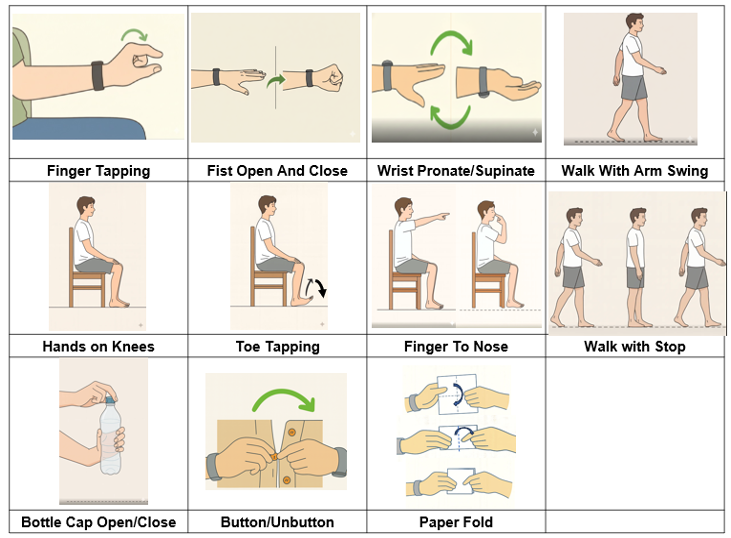
Figure 1. Curated motion analysis activities
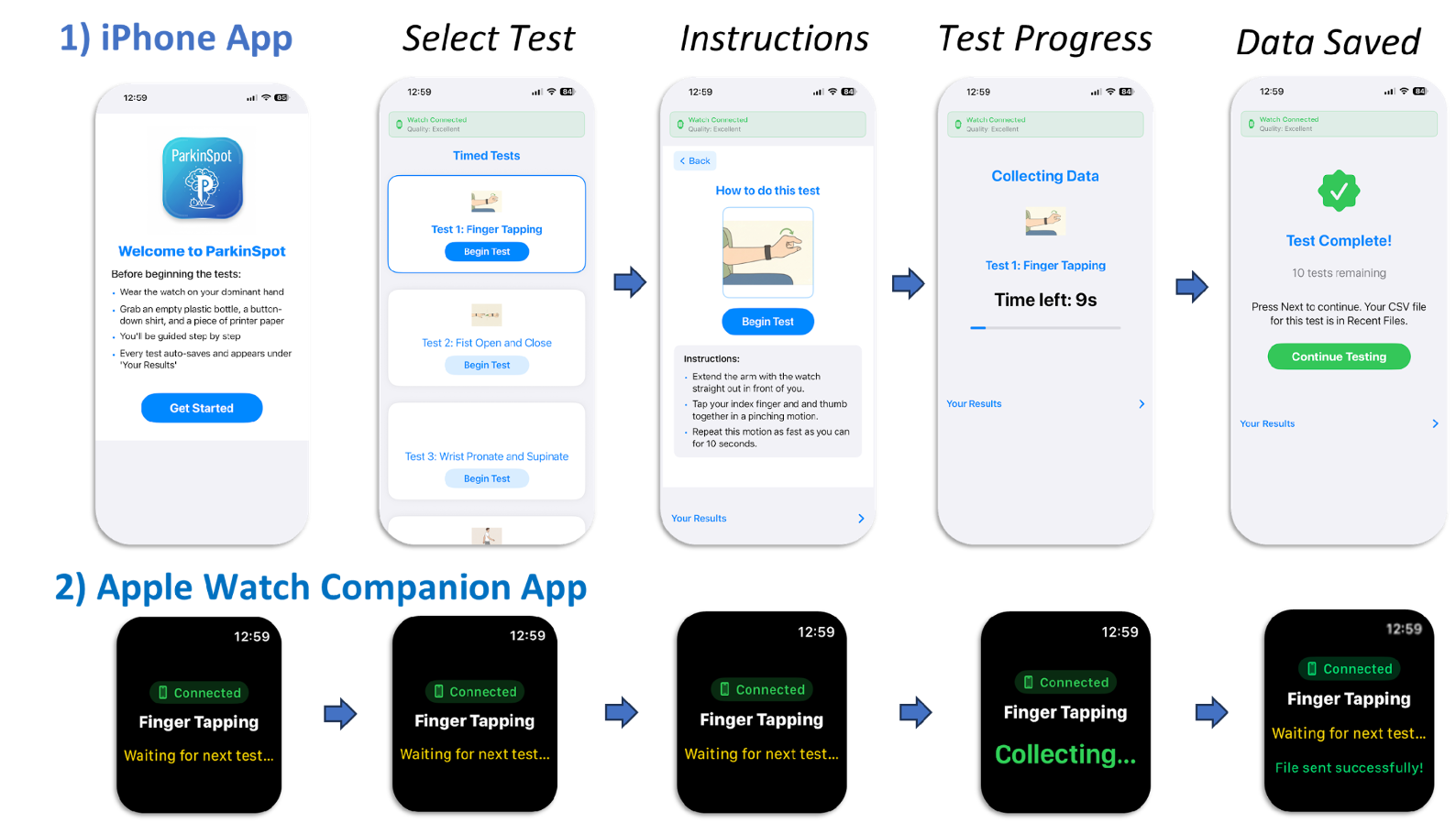
Figure 2: Guided activities using the app
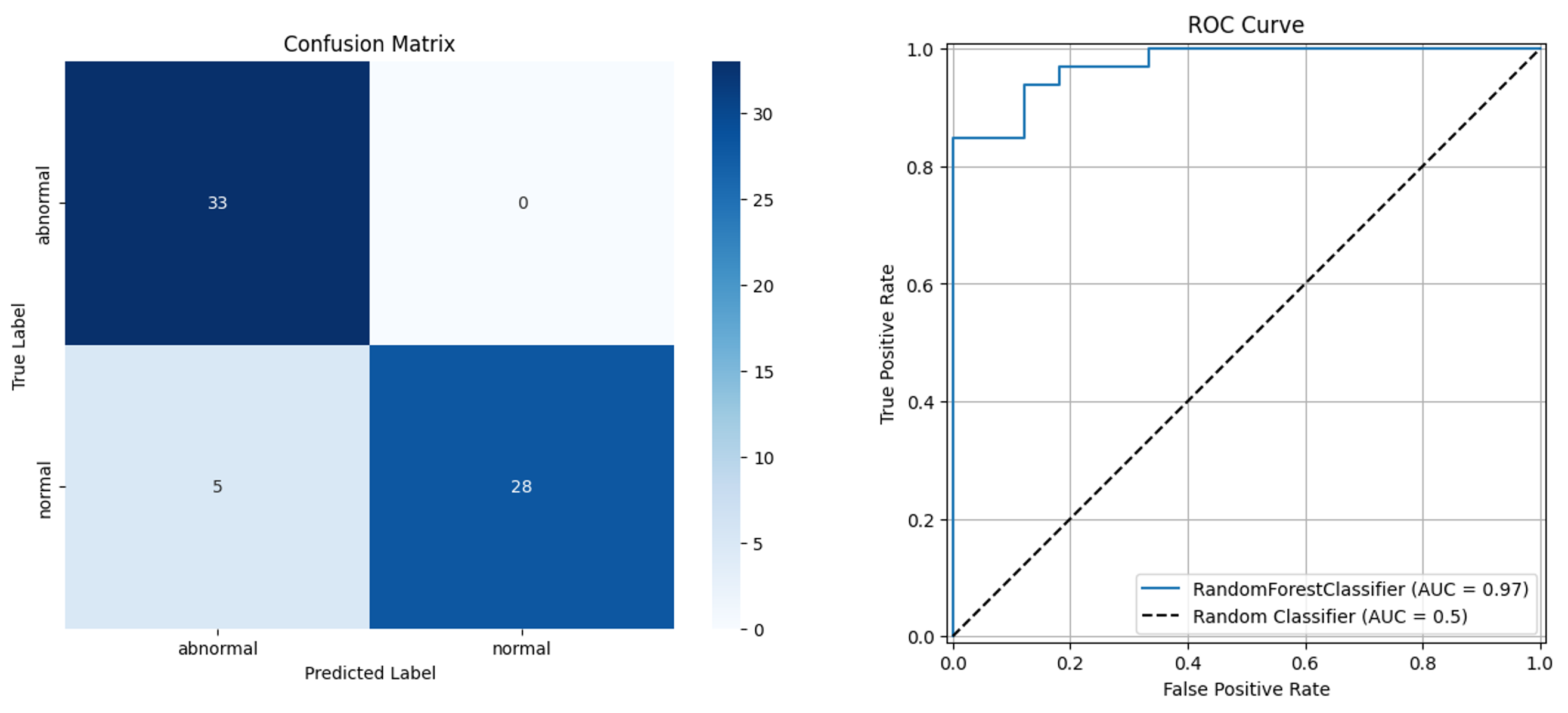
Figure 3: Results of the ML Model
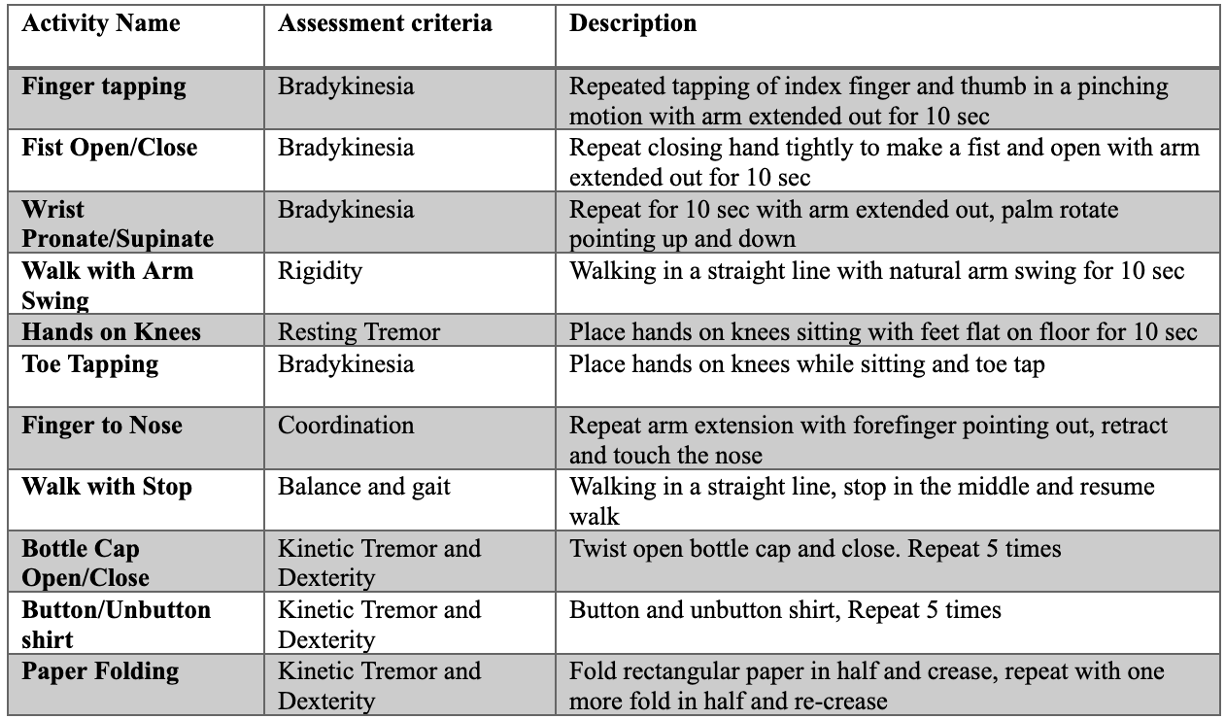
Table 1: Curated Motion Analysis Activities
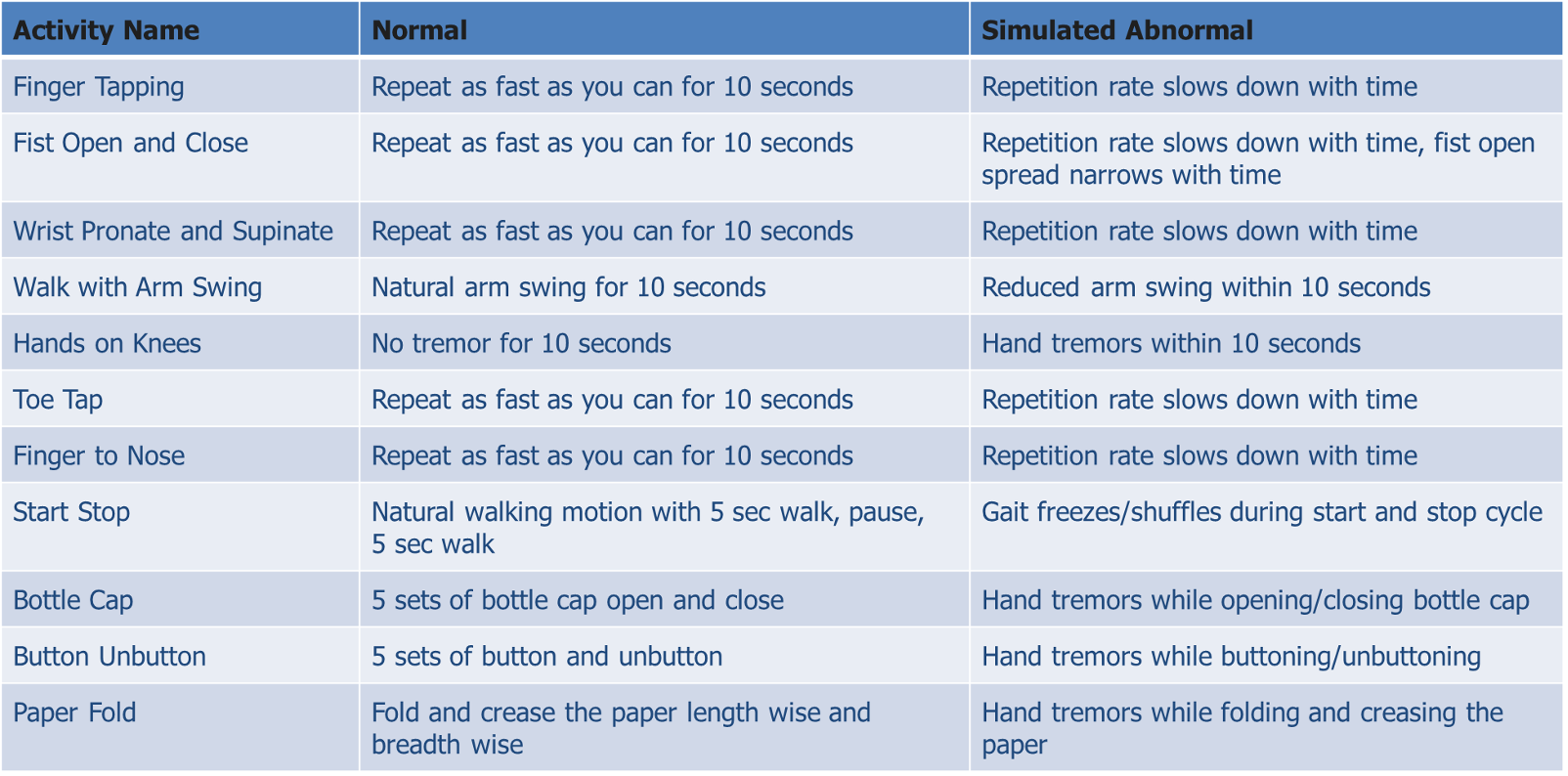
Table 2: Methods to collected motion data
References: [1] Dagan, Denise. “How Neurologists Conduct the Exam to Diagnose Parkinson’s Disease and Monitor Progression Stanford PD Community Blog.” Stanford.edu, 25 Oct. 2024, parkinsonsblog.stanford.edu/2024/10/how-neurologists-conduct-the-exam-to-diagnose-parkinsons-disease-and-monitor-progression/.
To cite this abstract in AMA style:
A. Ganu. An AI-Based Wearable Device Application To Assess Motor Skills Anomalies Associated with Parkinson’s Disease [abstract]. Mov Disord. 2026; 41 (suppl 1). https://www.mdsabstracts.org/abstract/an-ai-based-wearable-device-application-to-assess-motor-skills-anomalies-associated-with-parkinsons-disease/. Accessed October 1, 2026.« Back to 2026 International Congress
MDS Abstracts - https://www.mdsabstracts.org/abstract/an-ai-based-wearable-device-application-to-assess-motor-skills-anomalies-associated-with-parkinsons-disease/