
Objective: To describe the neurophysiological characteristics of re-emerging or emerging tremor in patients with tremor in dystonia (DT) and compare them with typical PD re-emerging tremor.
Background: Re-emerging tremor, defined as the reappearance of rest tremor after a change in position with a variable latency of 9 ± 7 seconds, is frequently observed in Parkinson’s disease (PD) (1,2). However, both re-emerging tremor and emerging tremor—characterized by tremor that is absent or minimal at rest but appears after assuming a posture and may increase during transitions between postures—can also occur in dystonia, potentially mimicking PD.
Method: We retrospectively identified patients with DT who exhibited a distinct tremor pattern during postural changes consistent with “emerging tremor.” Tremor distribution, activation condition, latency between rest and posture or between postures, and associated dystonic posturing were assessed. Neurophysiological evaluation using accelerometers and multi-channel surface EMG was performed. Findings were reported with descriptions, peak frequency (Hz) and half-power bandwidth (HBW).
Results: Four patients with upper-limb tremor were identified: two with a re-emerging tremor pattern and two with an emerging tremor pattern. Rest tremor was present in 50% of cases but was less prominent than postural tremor. Tremor typically emerged after assuming a posture with a latency of 1–2 seconds and could become more evident during sustained postural transitions (postural dependency). Dystonic posturing was consistently observed. Neurophysiological testing demonstrated baseline dystonic activity with regular tremor bursts, with a mean peak frequency of 4.23 ± 0.34 Hz and a mean HBW of 0.81 ± 0.08, with a synchronous EMG pattern consistent with DT in all cases. Detailed clinical and neurophysiologic features are summarized in Table 1.
Conclusion: Our case series showed that re-emerging tremor from the resting position and the proposed term of emerging tremor without rest tremor or during positional changes can be observed in patients with tremor in dystonia. The latency of reappearance of tremor was much shorter than the typical re-emerging tremor in PD. This may be explained by the specific positions that induce dystonia and tremor, possibly reflecting altered cerebello-thalamo-cortical network dynamics, with transient suppression of tremor followed by delayed emergence of tremor(3, 4).
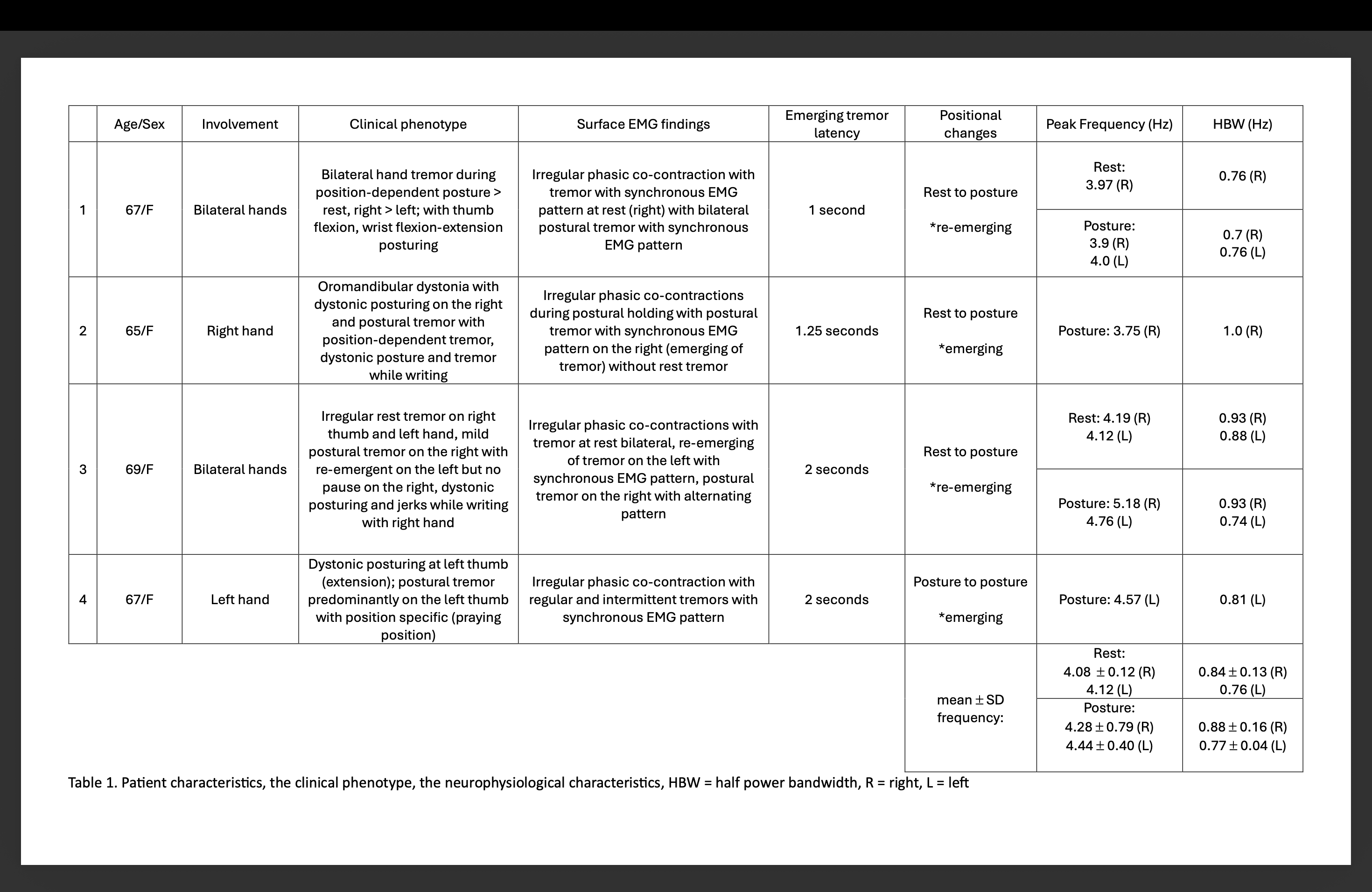
Table 1. Clinical & neurophysiological features
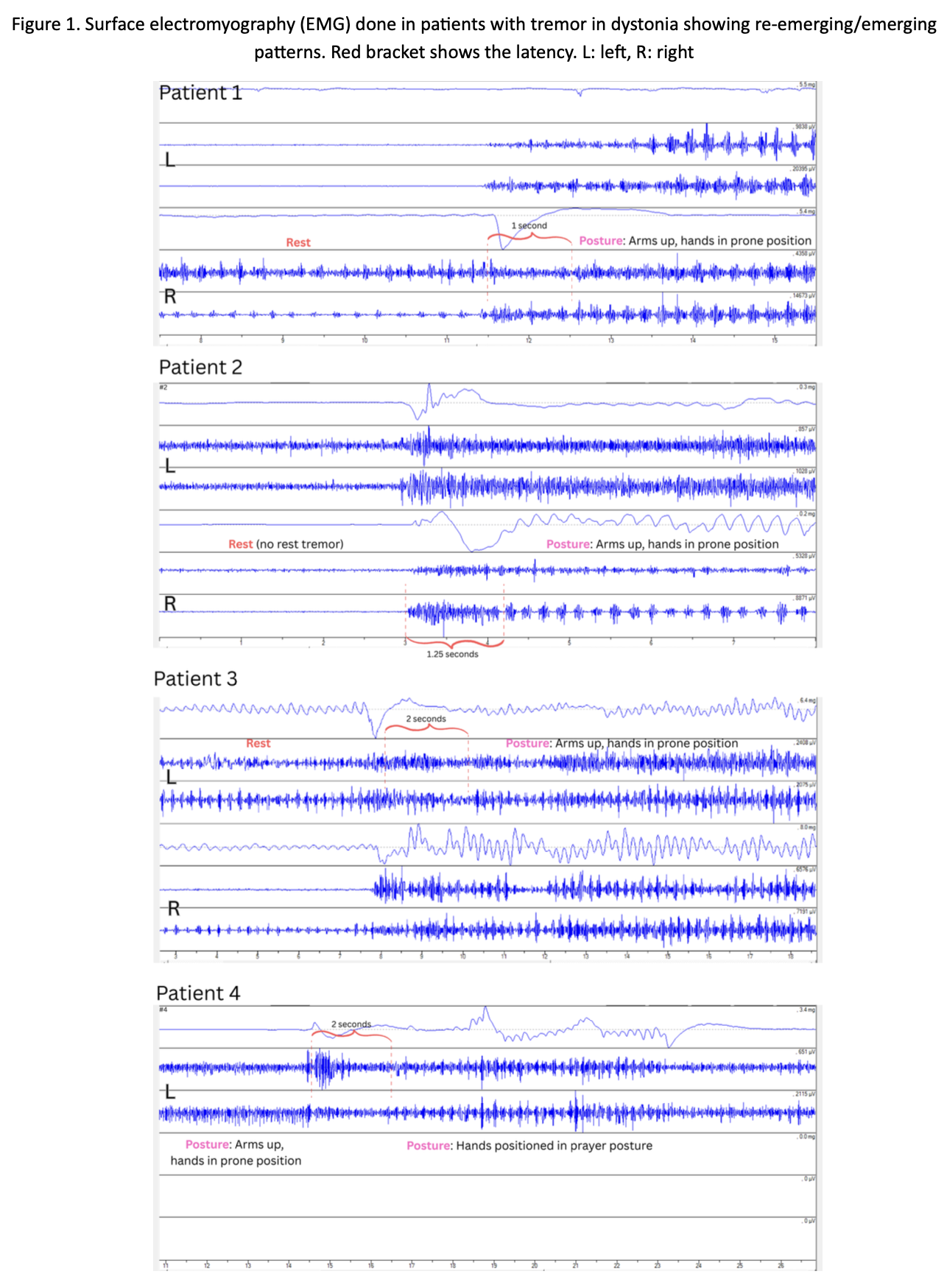
Figure 2. Surface EMG: re-emerging/emerging
References: 1. Swinnen B, de Bie RMA, Hallett M, Helmich RC, Buijink AWG. Reconstructing Re-emergent Tremor. Mov Disord Clin Pract. 2023;10(9):1293-6.
2. Belvisi D, Conte A, Bologna M, Bloise MC, Suppa A, Formica A, et al. Re-emergent tremor in Parkinson’s disease. Parkinsonism & Related Disorders. 2017;36:41-6.
3. Panyakaew P, Jinnah HA, Shaikh AG. Clinical features, pathophysiology, treatment, and controversies of tremor in dystonia. J Neurol Sci. 2022;435:120199.
4. Mailankody P, Thennarasu K, Nagaraju BC, Yadav R, Pal PK. Re-emergent tremor in Parkinson’s disease: A clinical and electromyographic study. J Neurol Sci. 2016;366:33-6.
To cite this abstract in AMA style:
R. Carandang, P. Panyakeaw. Re-emerging and Emerging Tremor with Postural Changes in Tremor in Dystonia [abstract]. Mov Disord. 2026; 41 (suppl 1). https://www.mdsabstracts.org/abstract/re-emerging-and-emerging-tremor-with-postural-changes-in-tremor-in-dystonia/. Accessed October 1, 2026.« Back to 2026 International Congress
MDS Abstracts - https://www.mdsabstracts.org/abstract/re-emerging-and-emerging-tremor-with-postural-changes-in-tremor-in-dystonia/