
Objective: To validate whether patient-derived α-synuclein (α-Syn) aggregates with distinct kinetic properties produce differentiated pathological propagation patterns, brain network functional alterations, and behavioral phenotypes in Parkinson’s disease (PD) animal models.
Background: Structural heterogeneity of α-synuclein (α-Syn) aggregates may underlie the clinical diversity of Parkinson’s disease (PD). This study aimed to validate whether kinetic subtypes of patient-derived α-Syn aggregates produce distinct pathological propagation patterns and brain functional alterations in animal models.
Method: Skin-derived α-Syn amplification products from one rapid-kinetics (Fast-PD) and one slow-kinetics (Slow-PD) PD patient were stereotactically injected into the right striatum of C57BL/6 mice. Pathological evolution was dynamically observed at 20, 90, and 180 days post-injection through in situ quiescent seed amplification assay (QSAA), pS129-α-Syn/GFAP immunofluorescence, tyrosine hydroxylase immunohistochemistry, 9.4T resting-state functional MRI (RS-fMRI), and behavioral tests.
Results: Fast-PD products formed dense mature fibrils with strong proteinase K resistance, while Slow-PD products showed sparse short fibrils. Fast-PD demonstrated continuously aggressive pathological dissemination with sustained high seed activity at 180 days, cerebellar ALFF increase-hippocampal ALFF decrease dissociation, and severe motor coordination deficits (pole test time increased 100%, P=0.038). Slow-PD showed indolent progression with relatively silent brain functional changes and mild motor symptom progression (pole test time increased 43%, P=0.002). Notably, seed activity dynamics (QSAA) and phosphorylated pathology (pS129) showed divergent temporal patterns, suggesting decoupling between seeding capacity and pathological deposition.
Conclusion: Patient-derived α-Syn aggregates with distinct kinetic properties establish PD mouse models with differentiated pathological dissemination patterns, brain functional signatures, and behavioral phenotypes. This provides experimental evidence that α-Syn strain heterogeneity constitutes the structural basis of PD clinical heterogeneity and validates the kinetic-based subtyping system.
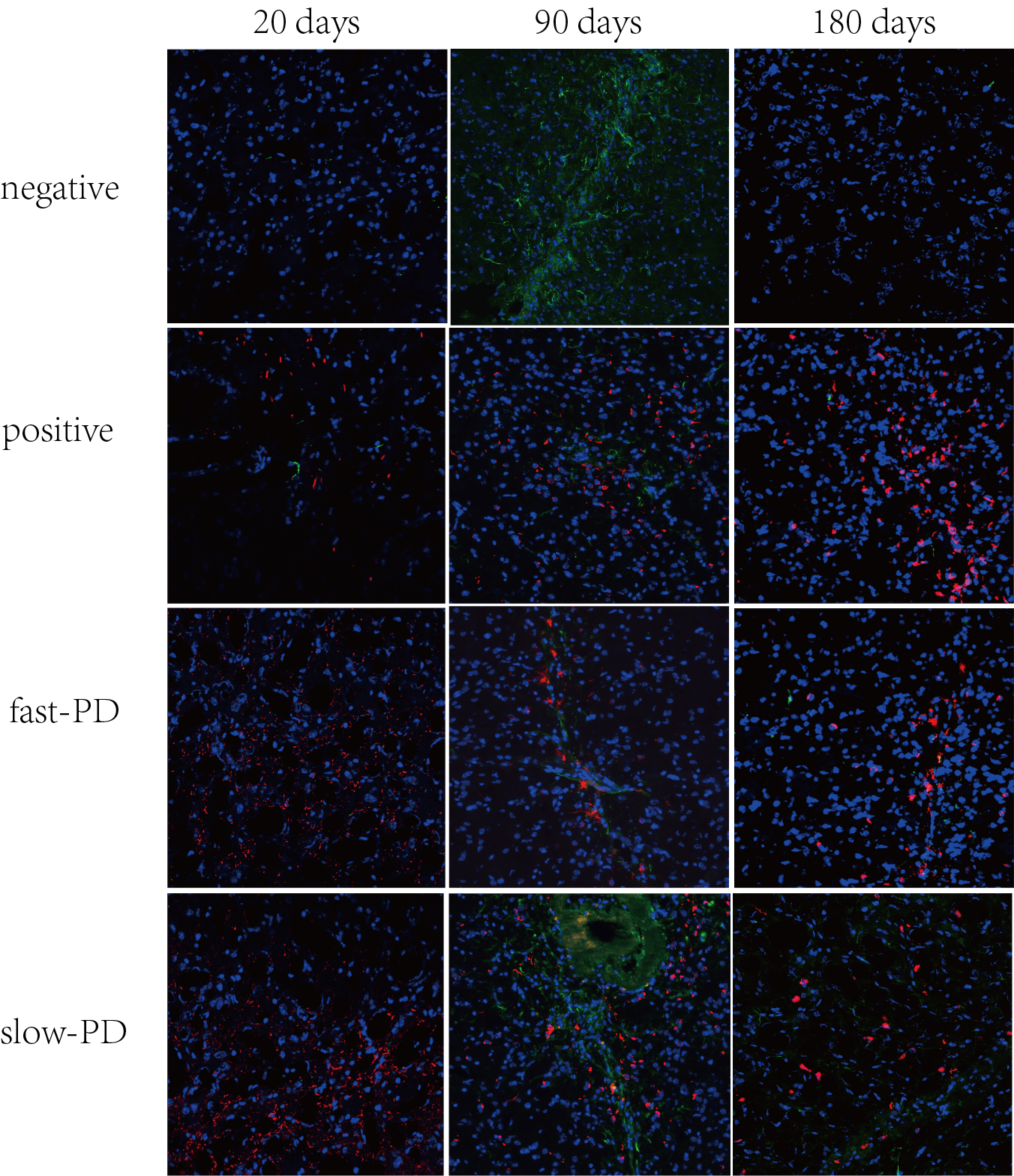
α-Syn pathology and astrocyte reactivity
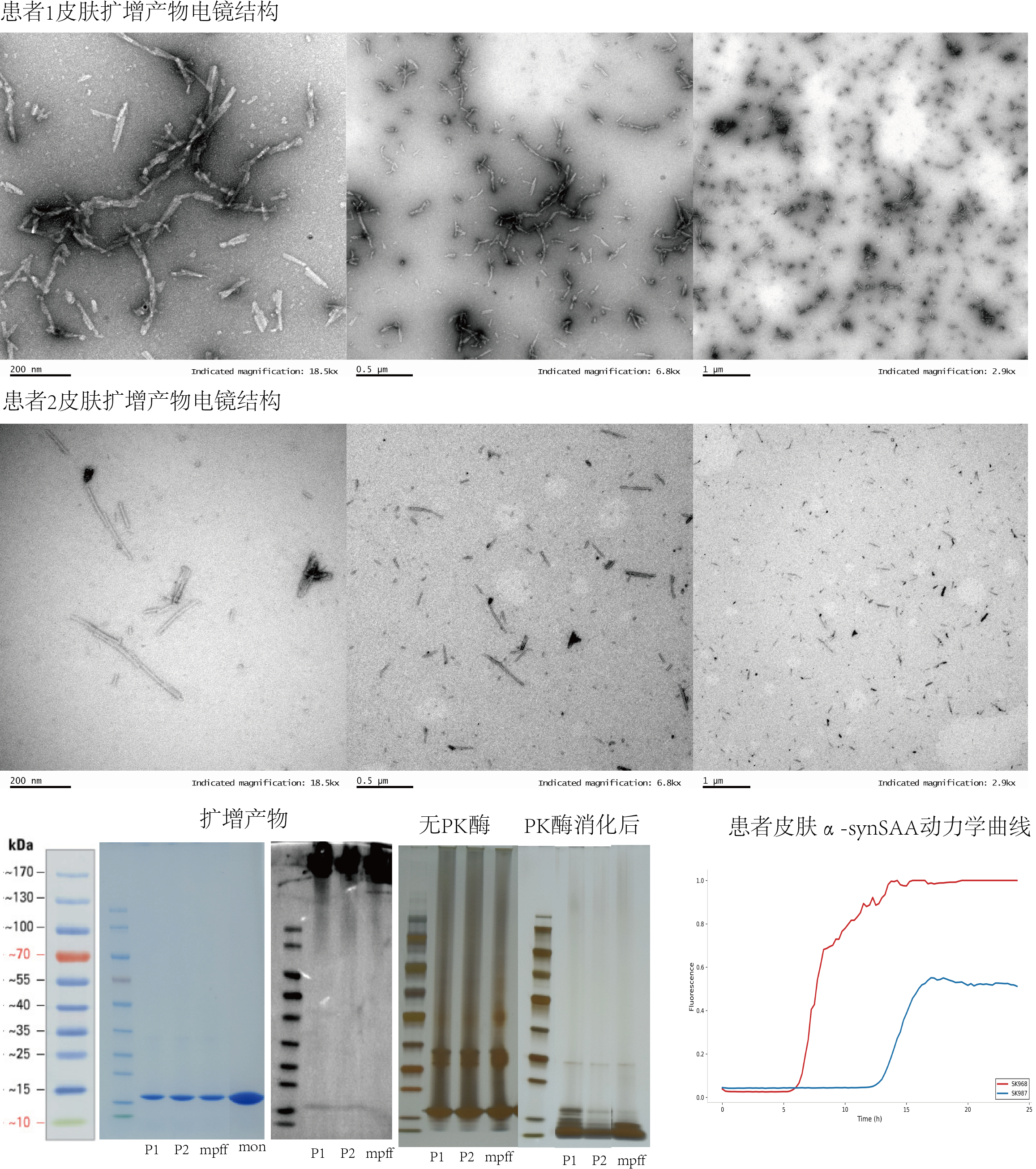
skin products
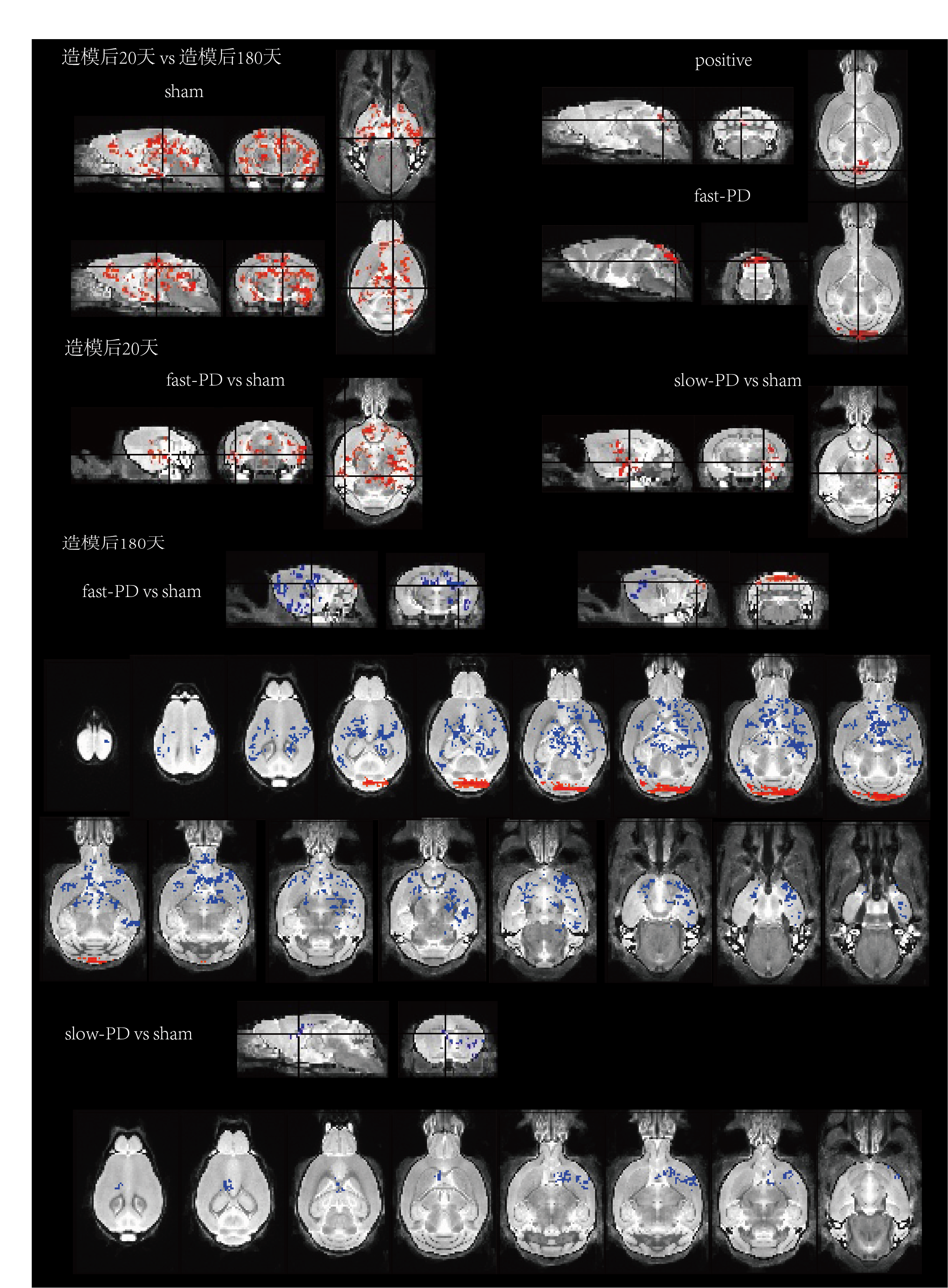
ALFF comparison results
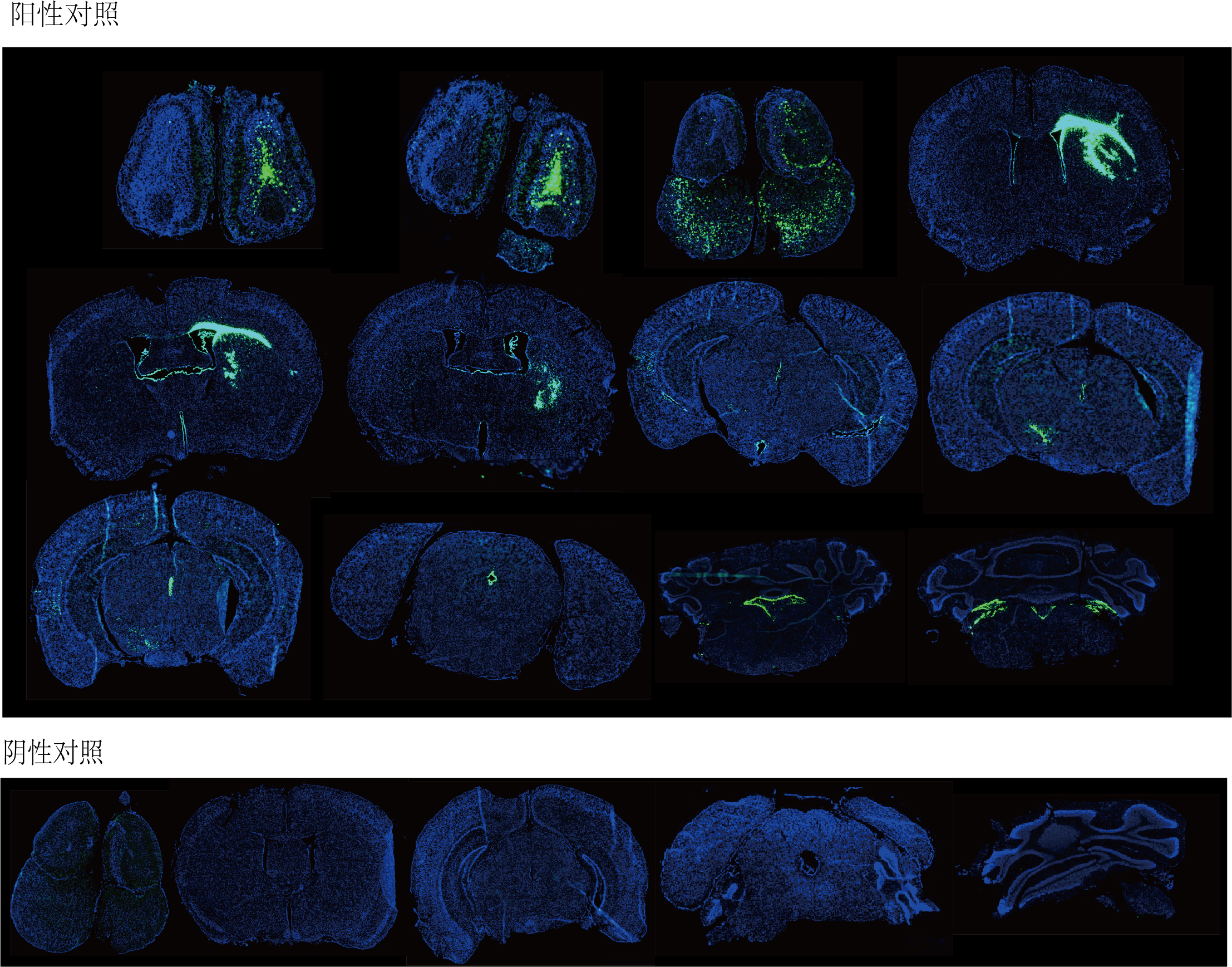
QSAA detection of propagation pathways
To cite this abstract in AMA style:
W. Dai. Patient-Derived α-Synuclein Kinetic Subtypes Drive Distinct Pathological Propagation Patterns and Brain Network Alterations in Parkinson’s Disease Mouse Models [abstract]. Mov Disord. 2026; 41 (suppl 1). https://www.mdsabstracts.org/abstract/patient-derived-%ce%b1-synuclein-kinetic-subtypes-drive-distinct-pathological-propagation-patterns-and-brain-network-alterations-in-parkinsons-disease-mouse-models/. Accessed October 1, 2026.« Back to 2026 International Congress
MDS Abstracts - https://www.mdsabstracts.org/abstract/patient-derived-%ce%b1-synuclein-kinetic-subtypes-drive-distinct-pathological-propagation-patterns-and-brain-network-alterations-in-parkinsons-disease-mouse-models/