
Category: Non-Dystonia (Other)
Objective: To describe the clinical phenomenology and treatment response of post-traumatic jumping stump syndrome following above-knee amputation.
Background: Peripherally induced movement disorders are an underrecognized cause of abnormal movements, often emerging after peripheral nerve or tissue injury. Jumping stump syndrome is a rare manifestation characterized by either involuntary dystonia, myoclonus, tremors, or choreiform movements of a residual limb after amputation. The basic mechanism is altered peripheral nerve activity at the site of amputation, which leads to ectopic discharges that trigger spinal motor neurons and induce repetitive muscular spasms. Central lesions can further alter this behavior by reducing inhibitory descending control, which increases peripheral hyperexcitability. Detailed descriptions of its clinical phenomenology and optimal management remain limited.
Method: We report the clinical presentation, diagnostic evaluation, and treatment outcome of a patient who developed abnormal movements of the residual limb following traumatic amputation.
Results: A 27-year-old man sustained severe multiple trauma from a high-speed motor vehicle collision, including traumatic brain injury and a Gustilo–Anderson grade IIIC open fracture of the right tibia and fibula requiring above-knee amputation. One month after surgery, he developed rhythmic, repetitive, circular jerking movements of the residual limb occurring at rest without spread to other body regions [Figure 1, 2 ,and 3]. Neurological examination revealed no additional focal neurological deficits. Electroencephalography and metabolic evaluation excluded epileptic and systemic causes. The movements were refractory to benzodiazepine therapy. Targeted injections of abobotulinumtoxinA of a total of 1,000 SU were administered to the quadriceps, hamstrings, and hip adductor muscles [Figure 4]. The abnormal movements resolved completely within one week and remained absent during two years of follow-up without adverse effects [Figure 5].
Conclusion: This case highlights jumping stump syndrome as a rare form of peripherally induced movement disorder following limb amputation. Recognition of the characteristic phenomenology may facilitate diagnosis, and targeted chemodenervation with botulinum toxin type A may provide rapid and sustained symptom control.
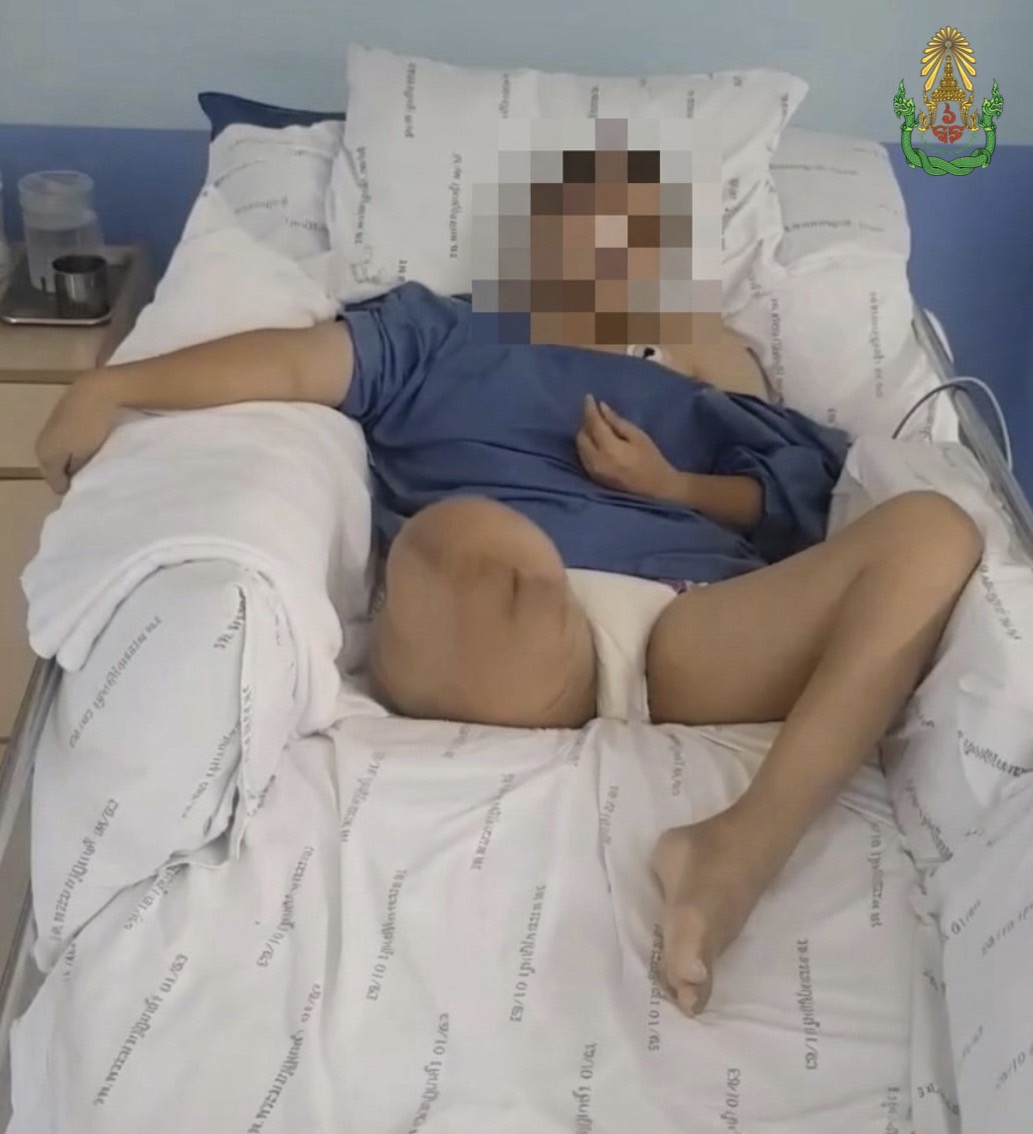
Figure 1. Abnormal involuntary stump movement
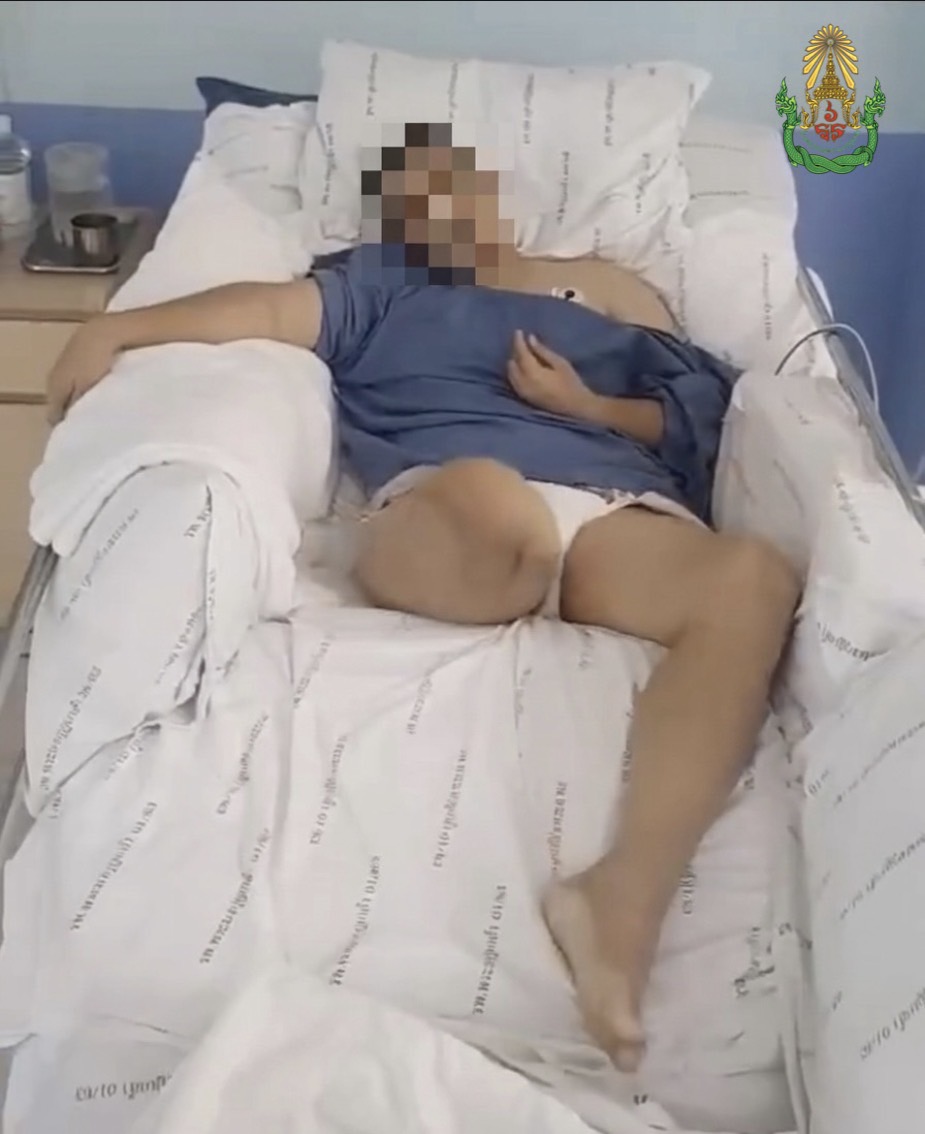
Figure 2. Abnormal involuntary stump movement
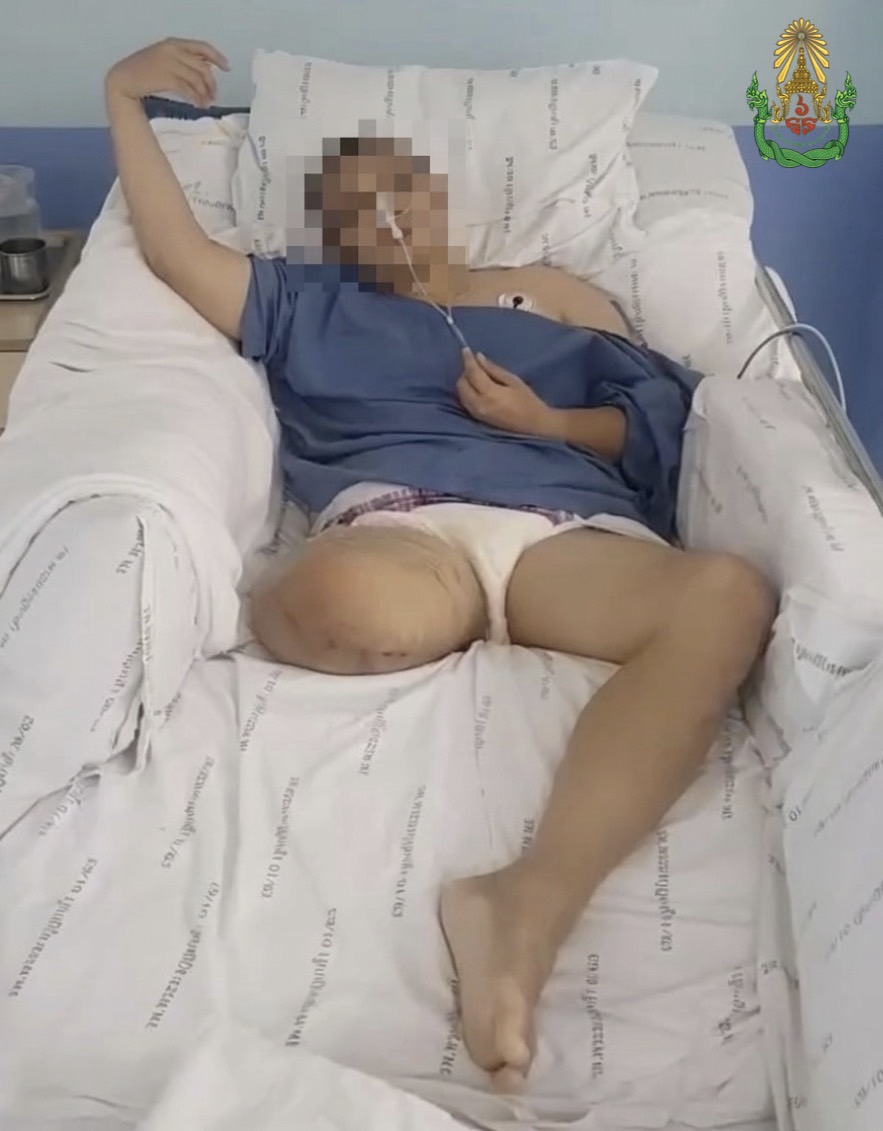
Figure 3. Abnormal involuntary stump movement
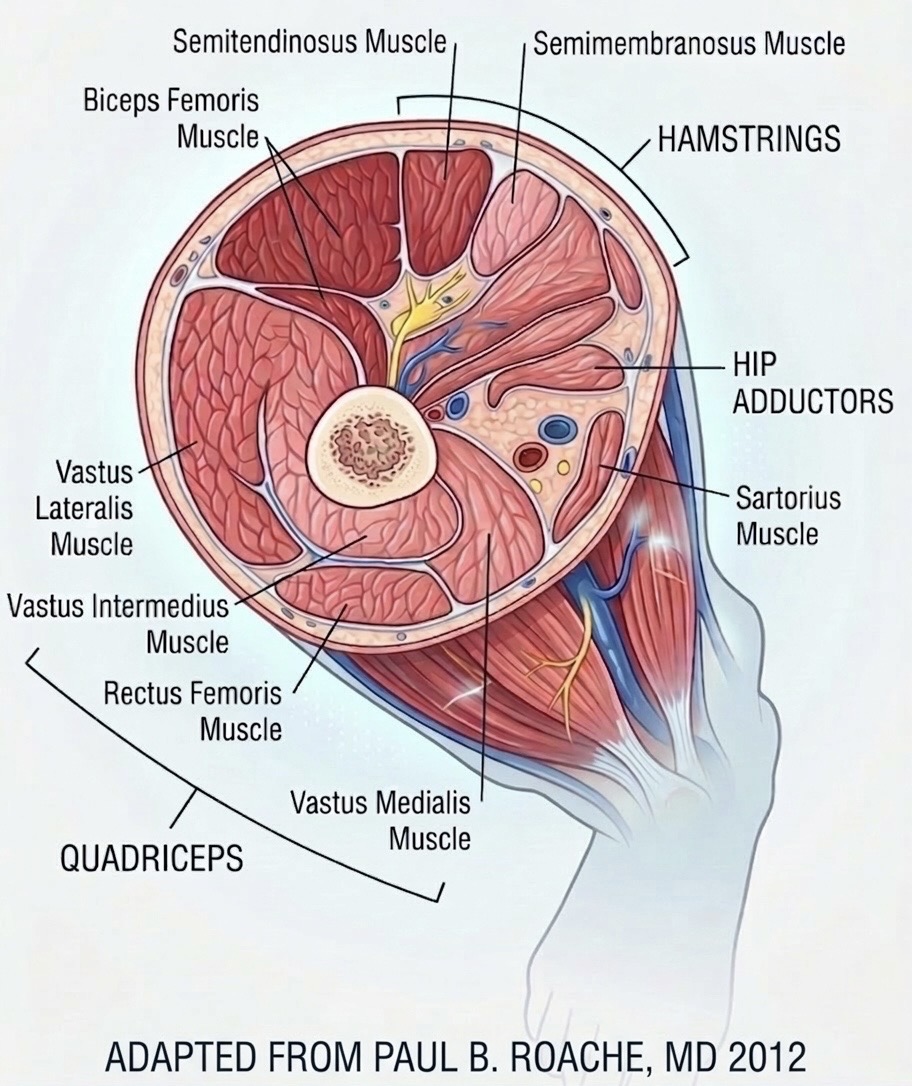
Figure 4. Botulinum toxin injection sites
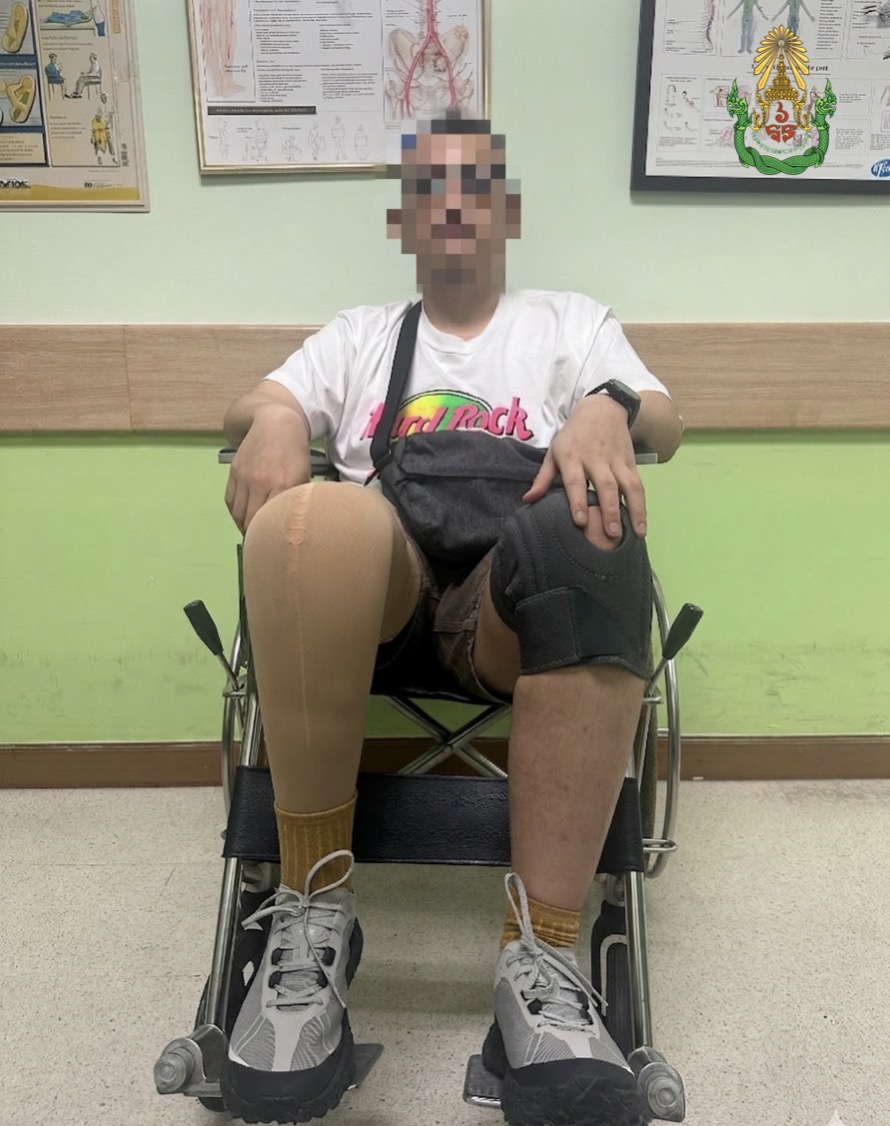
Figure 5. Movement resolved, 2-year remission
References: 1. Weinberg D, Tucker B. Improvement in “Jumping Stump” Syndrome Following Diagnostic Sciatic Nerve Block and Home Exercise Program in a Transtibial Amputee. Cureus. 2023;15(7):e42278.
2. Hallett M. Peripheral movement disorders. In: Jankovic J, Hallett M, editors. Principles and Practice of Movement Disorders. 3rd ed. Philadelphia: Elsevier; 2026. p. 585-592.
3. Lenka A, Jankovic J. Peripherally-induced Movement Disorders: An Update. Tremor Other Hyperkinet Mov. 2023;13(1):8.
4. Briand MM, Boudier-Réveret M, Rodrigue X, Sirois G, Chang MC. A moving residual limb: Botulinum toxin to the rescue. Transl Neurosci. 2020;11(1):34-37. doi: 10.1515/tnsci-2020-0006.
To cite this abstract in AMA style:
P. Muangsiri, P. Chairangsaris. Rhythmic circular stump movements after traumatic amputation: jumping stump syndrome with rapid remission after botulinum toxin type A [abstract]. Mov Disord. 2026; 41 (suppl 1). https://www.mdsabstracts.org/abstract/rhythmic-circular-stump-movements-after-traumatic-amputation-jumping-stump-syndrome-with-rapid-remission-after-botulinum-toxin-type-a/. Accessed October 1, 2026.« Back to 2026 International Congress
MDS Abstracts - https://www.mdsabstracts.org/abstract/rhythmic-circular-stump-movements-after-traumatic-amputation-jumping-stump-syndrome-with-rapid-remission-after-botulinum-toxin-type-a/