
Category: Parkinson's Disease: Genetics
Objective: To identify novel cellular senescence-related genes in PD using multi-omics, determine causal relationships, predict mechanisms, and validate a key candidate in a rat model.
Background: Age is the greatest PD risk factor. Cellular senescence drives age-related pathologies; senescent cells accumulate in PD brain, releasing pro-inflammatory SASP that promotes neurodegeneration. Systematic identification of upstream senescence genes causally linked to PD is lacking. Multi-omics integration can pinpoint such genes and their cellular context
Method: Integrative multi-omics strategy: SMR analysis integrated brain eQTL and PD GWAS to identify senescence-related genes causally linked to PD. Candidates were validated using bulk transcriptome. Single-cell RNA sequencing identified dysregulated cell types. Functional predictions used KEGG and in silico knockout. In vivo, we assessed AAV-mediated CDK2AP1 knockdown in 6-OHDA rat PD model, evaluating motor behavior, TH neurons, SA-β-gal, and NF-κB/p53/LGALS1
Results: SMR analysis identified 28 senescence-related genes with potential causal association with PD (Figure 1). Through integrative analysis with bulk transcriptome data, three genes—ATM, TEAD1, and CDK2AP1—were causally linked to PD and significantly upregulated in PD brain tissue. KEGG enrichment analysis implicated CDK2AP1 in the NF-κB pathway (Figure 2). Single-cell RNA sequencing revealed CDK2AP1 was specifically upregulated in oligodendrocytes of PD patients(Figure 3). In silico knockout of CDK2AP1 in oligodendrocytes predicted upregulation of neuroprotective genes including LGALS1. Based on these findings, we hypothesized CDK2AP1 may promote senescence (p53 activation) and contribute to PD by downregulating LGALS1, thereby activating NF-κB. In vivo, 6-OHDA-lesioned rats exhibited motor deficits, TH-positive neuron loss, enhanced SA-β-gal staining in substantia nigra, upregulation of CDK2AP1, NF-κB, and p53, and downregulation of LGALS1 (Figure 4). AAV-mediated CDK2AP1 knockdown significantly ameliorated motor dysfunction, partially restored TH and LGALS1 expression, reduced SA-β-gal staining, and suppressed NF-κB/p53 pathway activation (Figure 5).
Conclusion: CDK2AP1 is a novel oligodendrocyte-enriched senescence gene causally implicated in PD. Knockdown exerts neuroprotection via LGALS1/NF-κB/p53 axis, positioning CDK2AP1 as a potential therapeutic target.
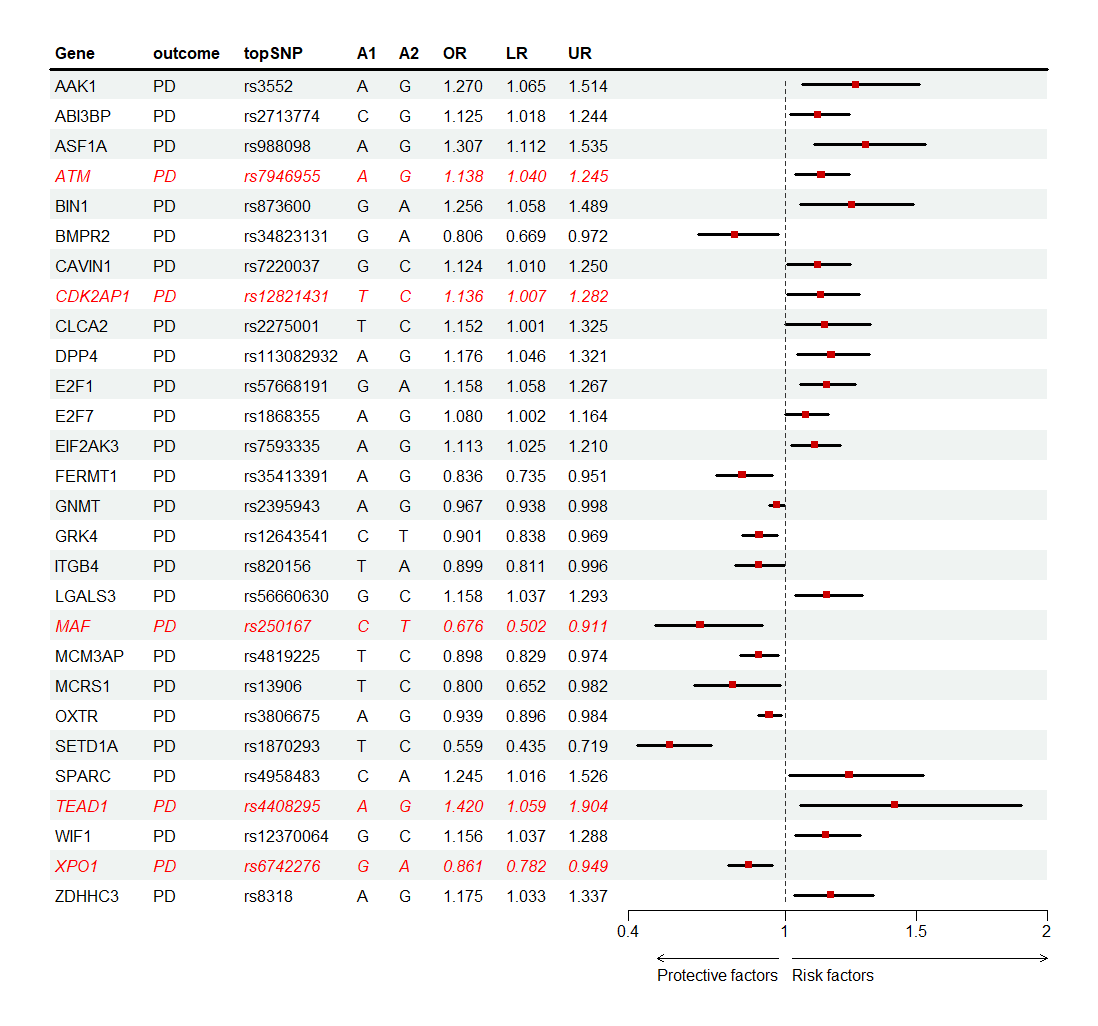
figure1
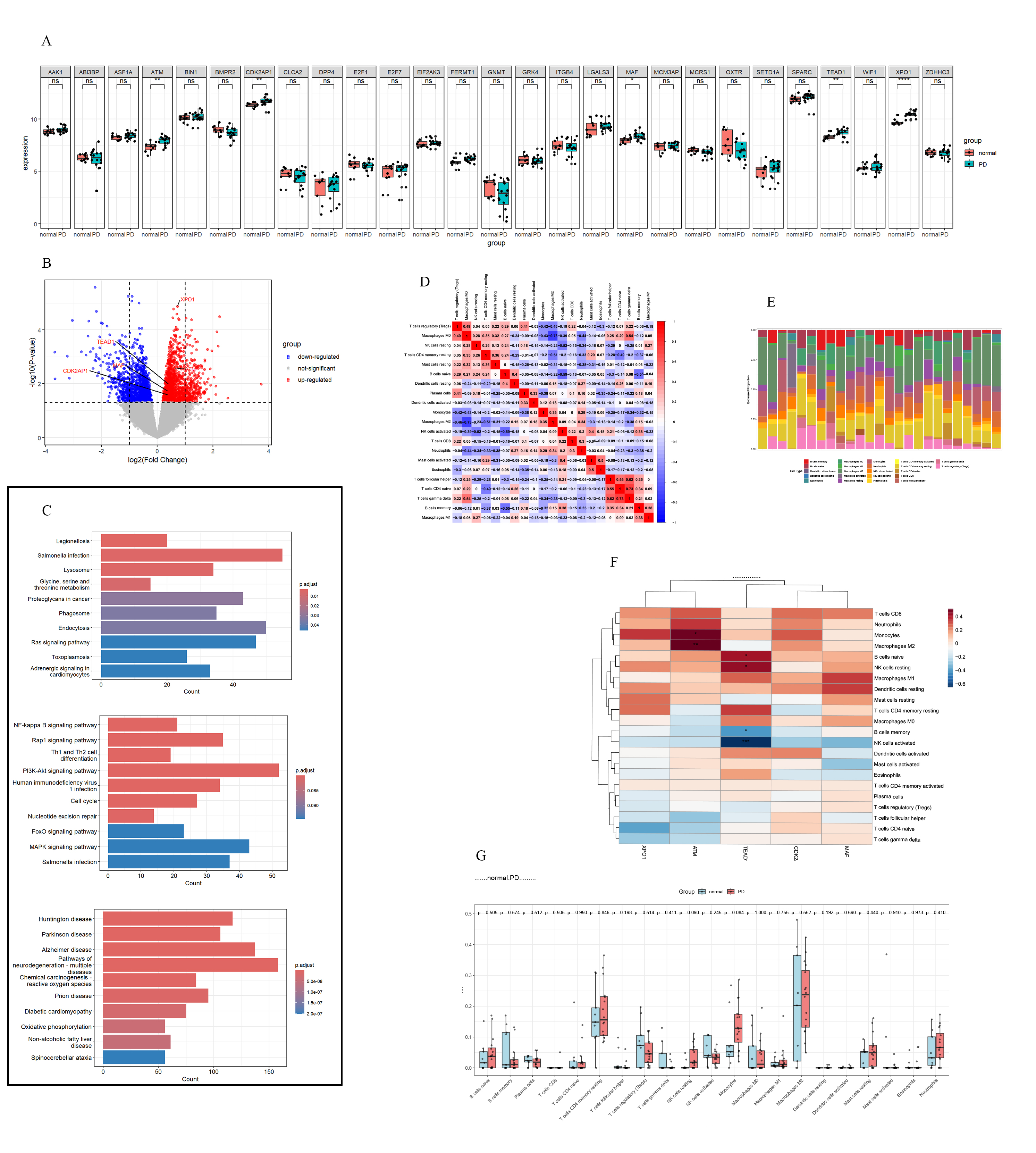
figure2
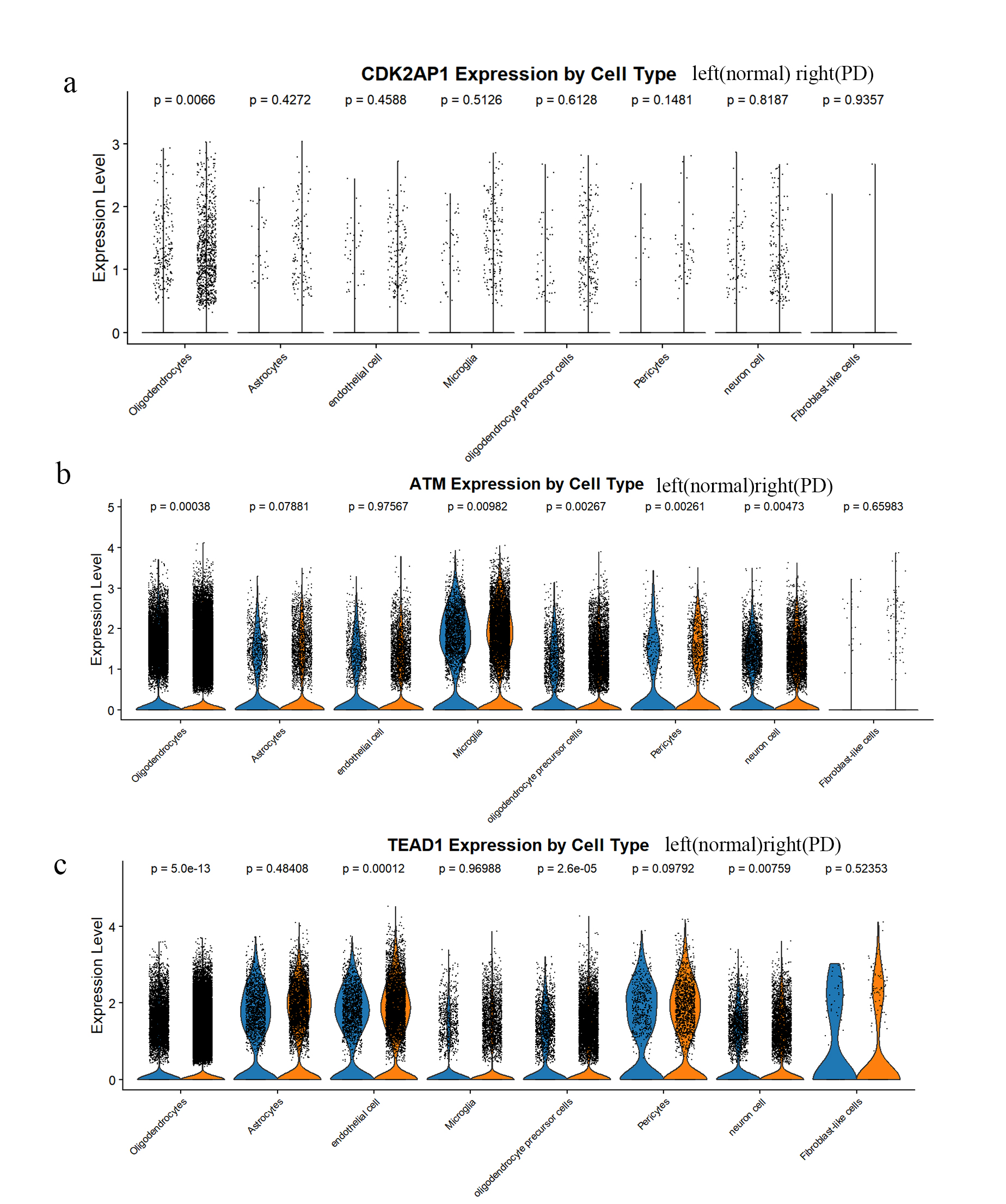
figure3
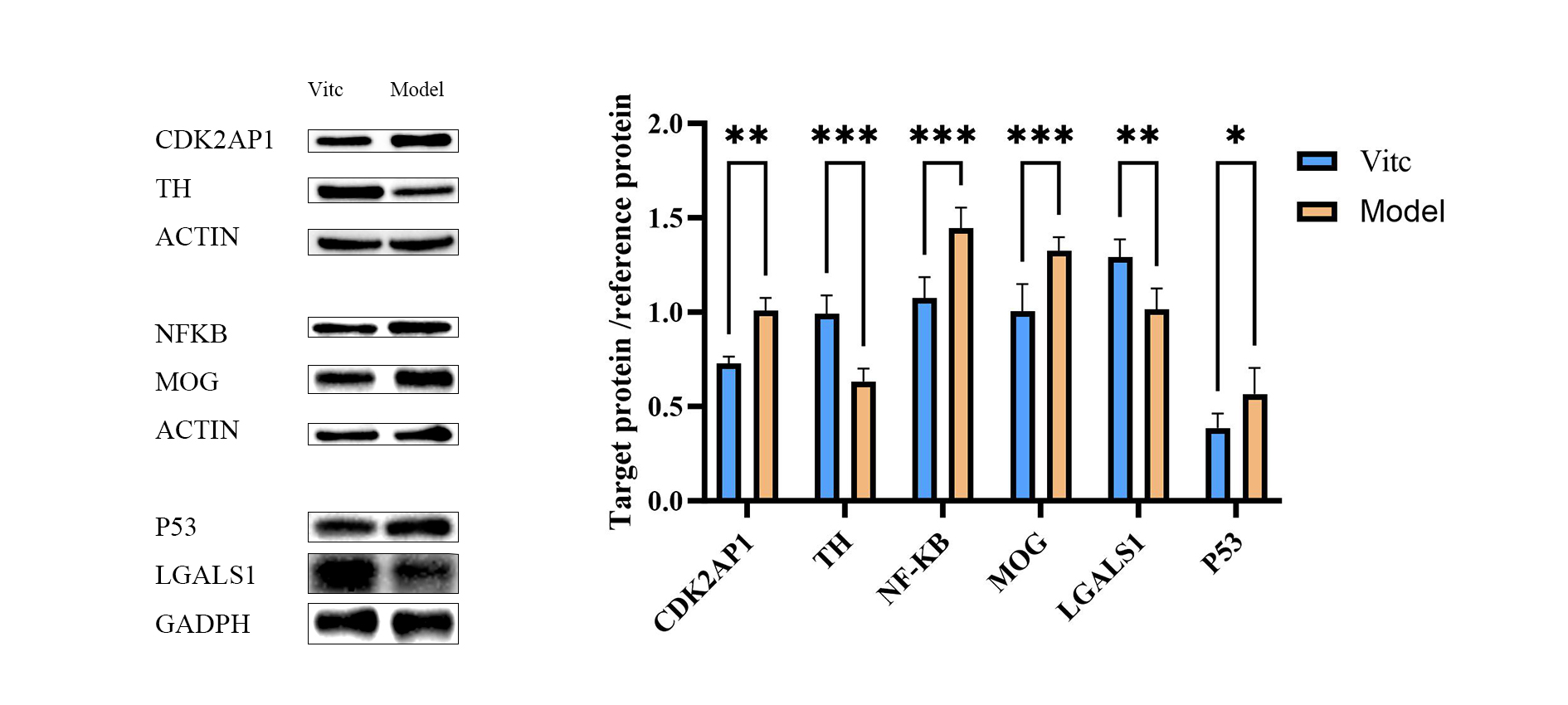
figure4
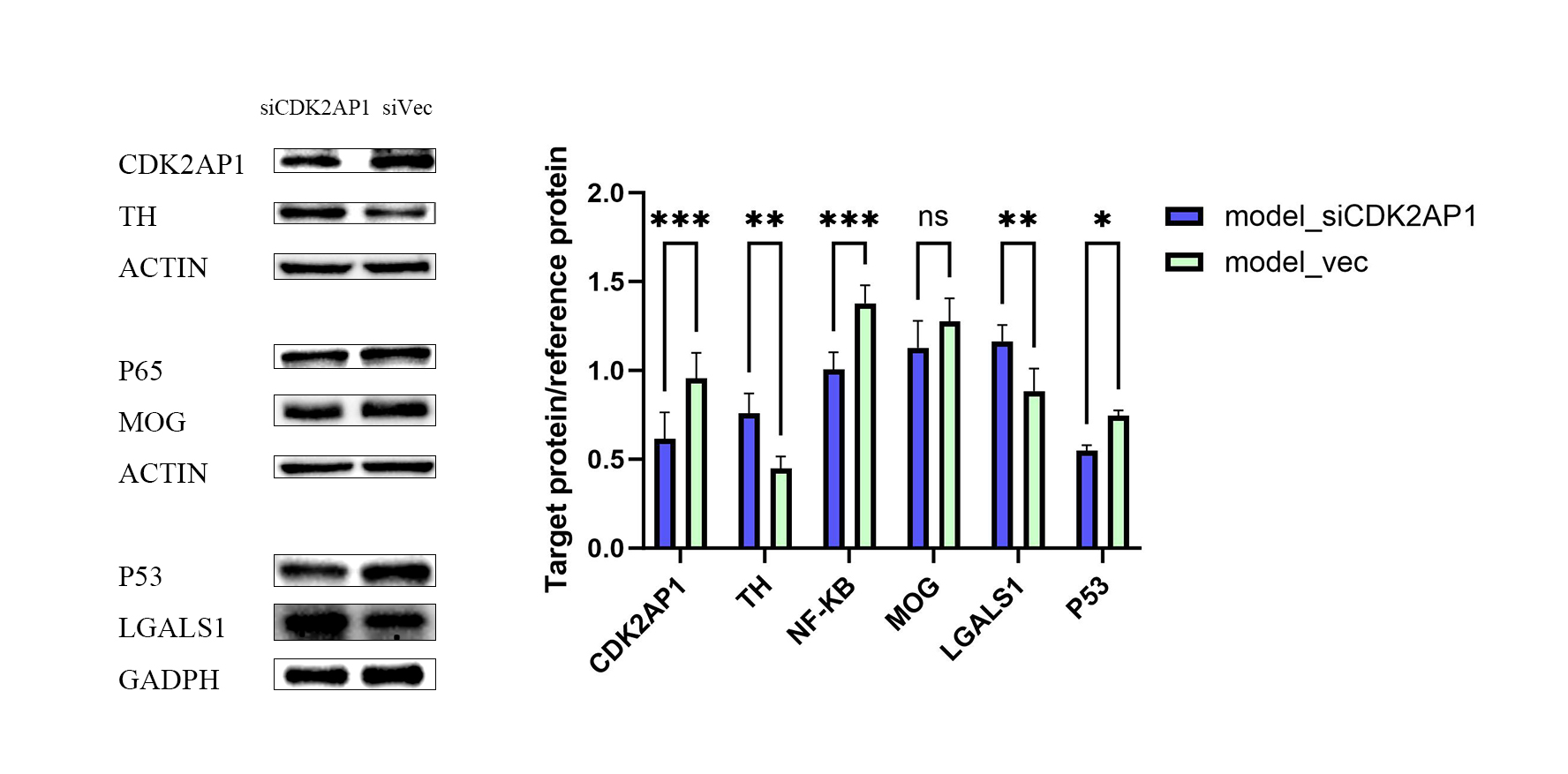
figure5
To cite this abstract in AMA style:
J. Chen, X. Yang. SMR Combined with Multi Omics to Investigate the Mechanism of Action of the Cell Senescence Associated Gene (CDK2AP1) in Parkinson’s Disease [abstract]. Mov Disord. 2026; 41 (suppl 1). https://www.mdsabstracts.org/abstract/smr-combined-with-multi-omics-to-investigate-the-mechanism-of-action-of-the-cell-senescence-associated-gene-cdk2ap1-in-parkinsons-disease/. Accessed October 1, 2026.« Back to 2026 International Congress
MDS Abstracts - https://www.mdsabstracts.org/abstract/smr-combined-with-multi-omics-to-investigate-the-mechanism-of-action-of-the-cell-senescence-associated-gene-cdk2ap1-in-parkinsons-disease/