
Category: Parkinson’s Disease: Clinical Trials
Objective: To evaluate a novel nose-to-brain nasal spray (XJN010) for emergency treatment of OFF episodes in Parkinson’s disease (PD) via clinical pharmacokinetics, safety, and tolerability.
Background: OFF episodes involve sudden motor symptoms that worsen with disease progression, severely disrupting daily life and creating an unmet therapeutic need. XJN010 nasal spray was developed to enable rapid systemic absorption and fast onset of action for timely symptom relief [1-3].
Method: Nose-to-brain delivery efficiency was assessed in rats by comparing plasma and brain drug concentrations versus oral tablets. Pharmacodynamics were evaluated in a 6-OHDA-induced rat PD model after 14-day administration using rotarod and contralateral rotation tests. A Phase I randomized, open-label, single-dose, 3×3 Latin-square trial in healthy Chinese subjects compared XJN010 nasal spray with oral tablets (fasting/postprandial) for relative bioavailability, pharmacokinetics, and safety.
Results: In rats, intranasal XJN010 achieved rapid absorption with Tmax of 0.083–0.25 h in both plasma and brain, faster than oral administration. Plasma Cmax, AUClast, and AUCINFobs increased dose-dependently with no sex differences (Fig. 1A~F). In the PD rat model, XJN010 (2.4 mg/day for 14 days) significantly prolonged rotarod duration and reduced contralateral rotations, indicating improved motor symptoms (Fig. 1G~H). In the Phase I trial, single doses of 20–80 mg were well tolerated; all adverse events were mild and self-limited, with no serious adverse events. At 40 mg, relative bioavailability versus oral reference was 118% (fasting) and 98.3% (high-fat meal). Therapeutically relevant plasma concentrations were achieved within 0.5 h post-dose across all doses (Fig. 1I–N).
Conclusion: XJN010 nasal spray demonstrated rapid absorption, high bioavailability, and favorable safety in humans trials. Compared to oral therapy, it showed promise for faster symptom relief versus oral therapy and improved convenience. These findings support further clinical development for emergency OFF-episode treatment in PD patients on dopa decarboxylase inhibitor/levodopa therapy.
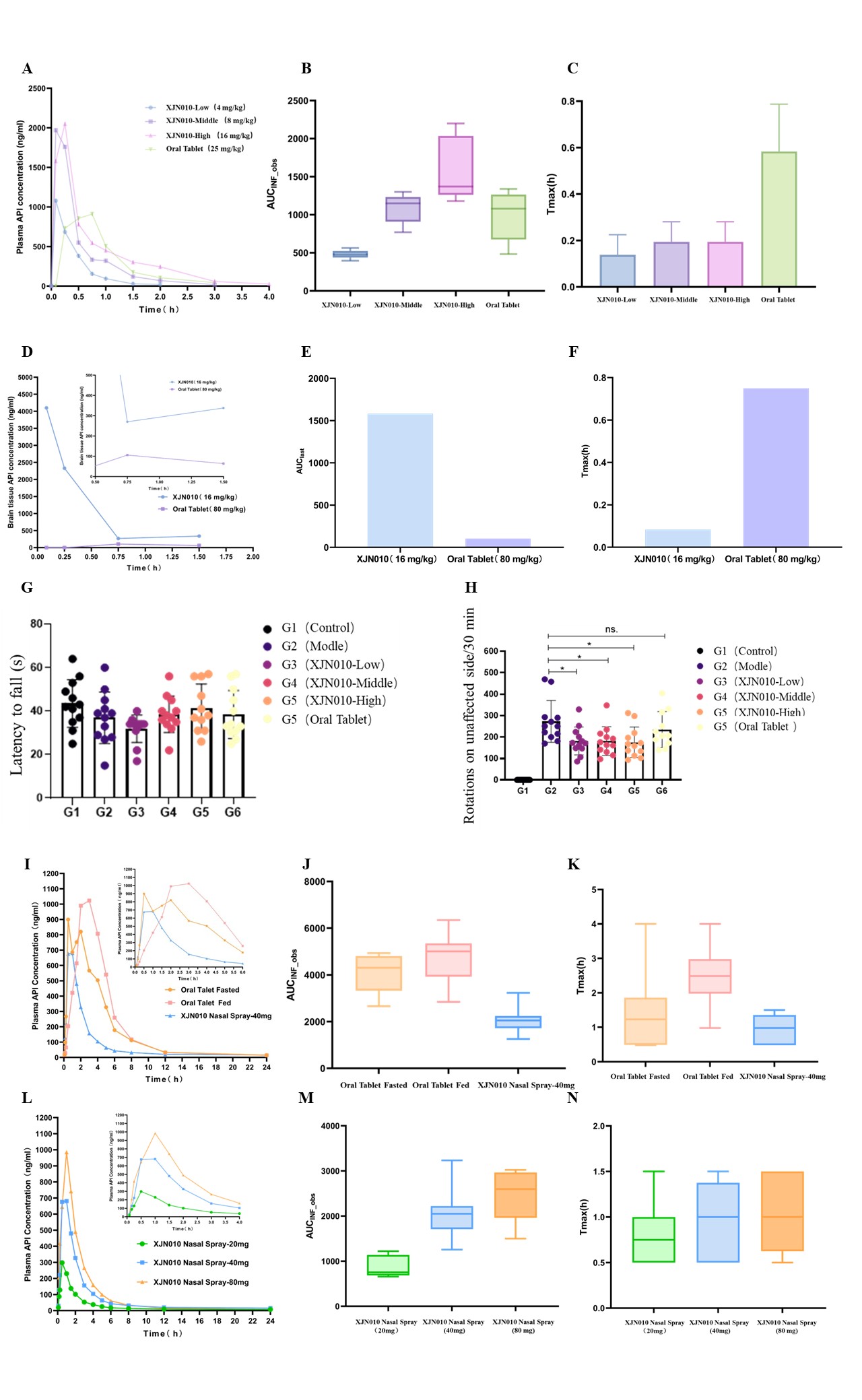
Fig.1 The preclinical and clinical trial I study
References: [1] Farzanehfar P , Woodrow H , Horne M .Sensor Measurements Can Characterize Fluctuations and Wearing Off in Parkinson’s Disease and Guide Therapy to Improve Motor, Non-motor and Quality of Life Scores[J].Frontiers in Aging Neuroscience, 2022, 14.DOI:10.3389/fnagi.2022.852992.
[2] Pahwa R , Factor S A , Lyons K E ,et al.Practice Parameter: Treatment of Parkinson disease with motor fluctuations and dyskinesia (an evidence-based review) Report of the Quality Standards Subcommittee of the American Academy of Neurology[J].Neurology,2006,66(7):983995.DOI:10.1212/01.wnl.0000215250.82576.87.
[3]Shpiner, Danielle S.Bette, SagariDi Luca, Daniel G.Margolesky, Jason.CVT-301 for the treatment of Parkinson’s disease[J].Expert review of neurotherapeutics, 2019, 19(7a12).
To cite this abstract in AMA style:
Y. Tang, X. Yue, E. Liang, C. Wu. Intranasal spray for nose-to-brain drug delivery: Emergency treatment of OFF episodes in Parkinson’s disease [abstract]. Mov Disord. 2026; 41 (suppl 1). https://www.mdsabstracts.org/abstract/intranasal-spray-for-nose-to-brain-drug-delivery-emergency-treatment-of-off-episodes-in-parkinsons-disease/. Accessed October 1, 2026.« Back to 2026 International Congress
MDS Abstracts - https://www.mdsabstracts.org/abstract/intranasal-spray-for-nose-to-brain-drug-delivery-emergency-treatment-of-off-episodes-in-parkinsons-disease/