
Objective: This case report describes a 17-year-old female with occult psychogenic movement disorder (PMD) presenting with involuntary tremor and abnormal somatic movement as core symptoms, without comorbid mood disorder. We analyzed the patient’s diagnosis and therapeutic regimen to provide clinical references for managing similar PMD cases.
Background: PMD is a functional movement disorder mediated by psychological factors, characterized by involuntary tremor and abnormal somatic movements, often accompanied by autonomic dysfunction and psychiatric comorbidities. Diagnosis is difficult without psychosocial evidence and may result in delayed treatment.
Method: The patient had no history of organic diseases, with involuntary hand tremor and somatic tic as initial symptoms that progressed and were complicated by recurrent transient syncope, leading to multiple hospitalizations within one month. Comprehensive examinations including routine blood tests, biochemical and coagulation assays, thyroid function tests, contrast-enhanced cranial MRI, head and neck CTA (FIGURE 1), electroencephalogram(FIGURE 2,3), and 24-hour ambulatory electrocardiography and blood pressure monitoring were performed to rule out organic etiologies. Finally, a psychiatric psychosocial assessment confirmed somatic anxiety without obvious psychic anxiety, suggesting a tentative PMD diagnosis pending diagnostic medication.
Results: Initial symptomatic treatments (fluid replacement, exercise intervention and low-dose propranolol) failed and even increased syncope frequency. Paroxetine was subsequently administered for diagnostic treatment, with significant relief of core movement symptoms on day 3, well-controlled syncope on day 5, and complete alleviation of abnormal somatic movement without recurrent syncope one week later. Gradual tapering and discontinuation of paroxetine followed by long-term follow-up showed no symptom recurrence.
Conclusion: PMD is characterized by involuntary tremor and abnormal somatic movement, with diagnosis impeded by the lack of psychogenic evidence. Comprehensive psychosocial assessment is therefore recommended for such patients even in the absence of obvious psychosocial symptoms. Given the lack of targeted therapies for PMD, SSRIs such as paroxetine are effective clinical options, as they can ameliorate core movement symptoms and terminate recurrent syncope via regulating neurotransmitter transporters.
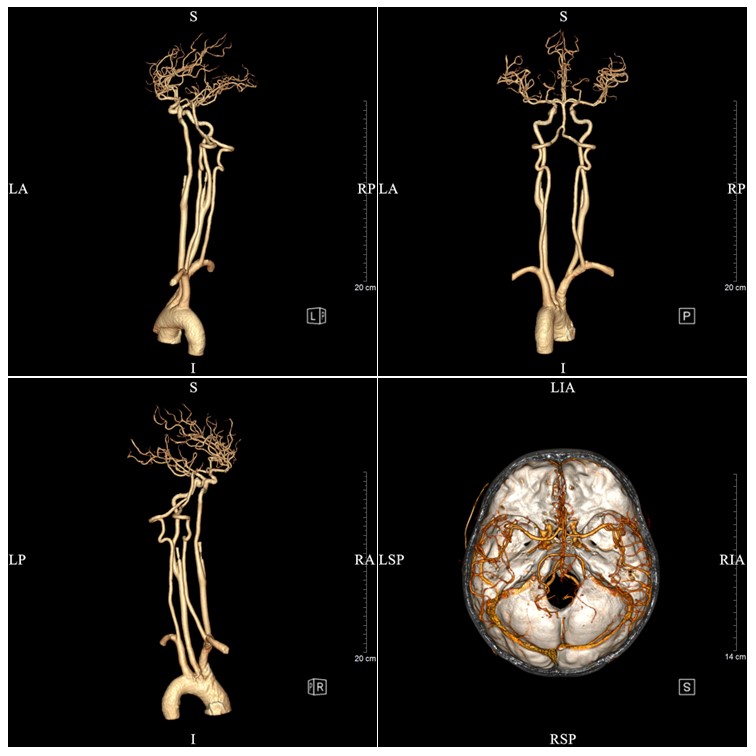
FIGURE 1
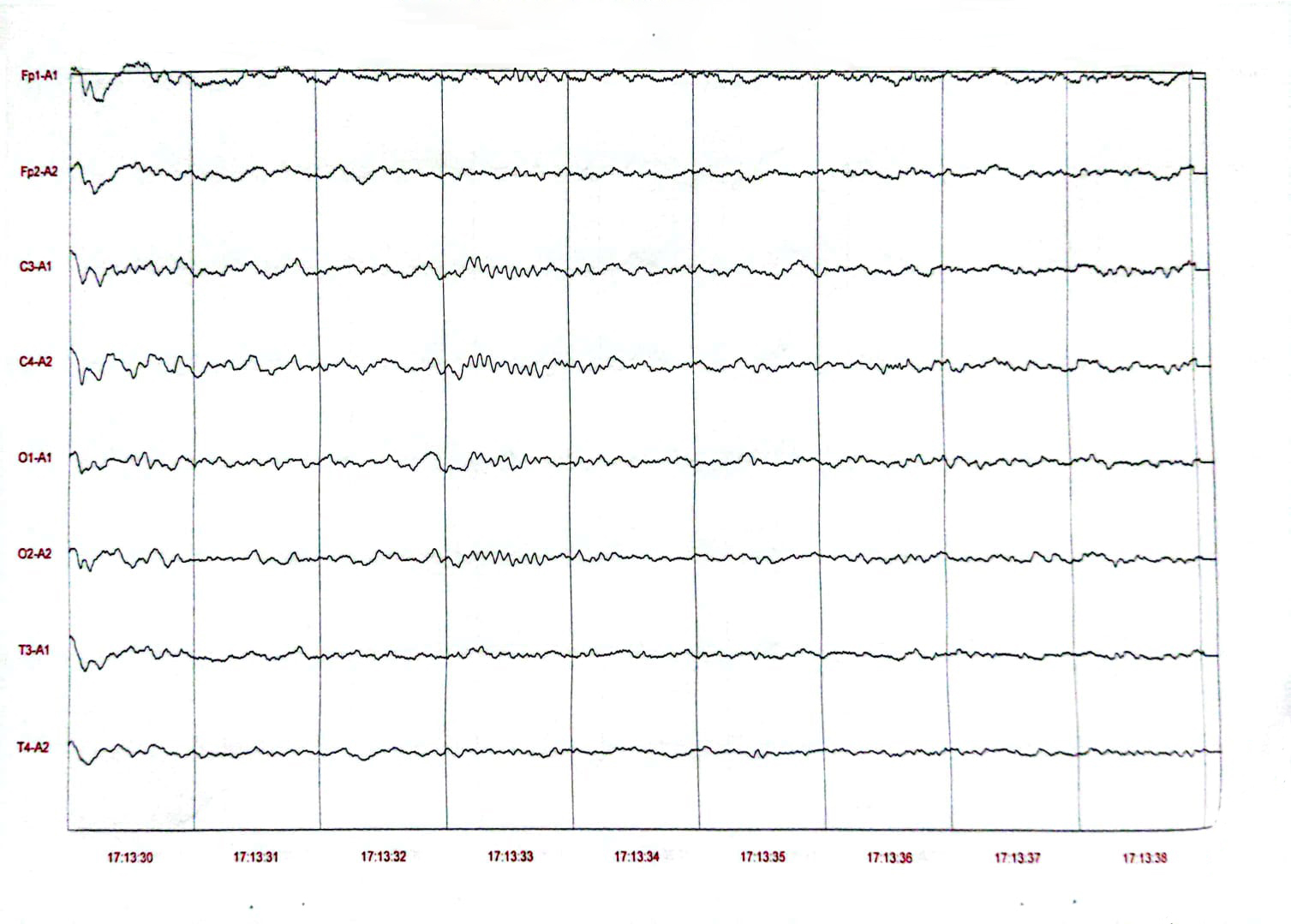
FIGURE 2
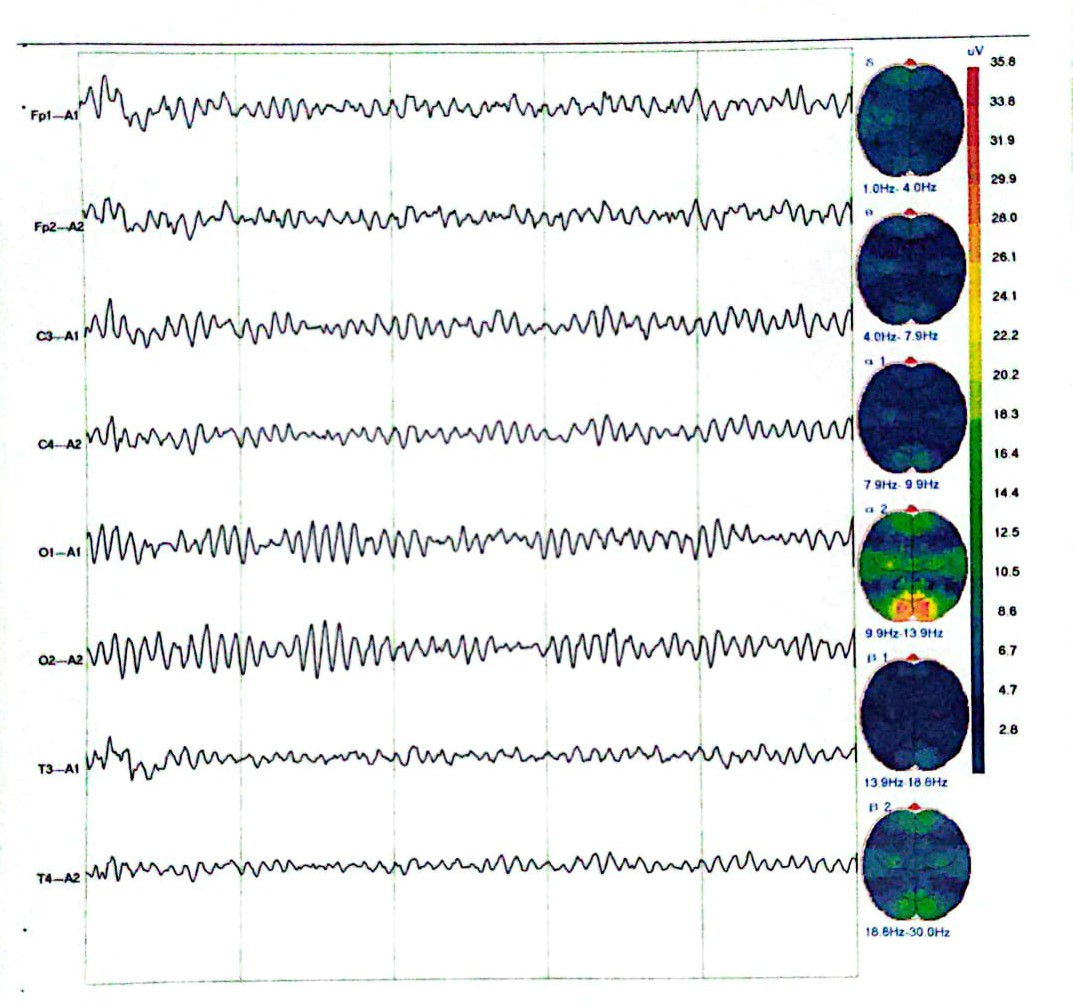
FIGURE 3
To cite this abstract in AMA style:
H. Liang, A. Karimova, C. Liang. Diagnosis and Treatment of Occult Psychogenic Movement Disorder Without Mood Disorder: A Case Report [abstract]. Mov Disord. 2026; 41 (suppl 1). https://www.mdsabstracts.org/abstract/diagnosis-and-treatment-of-occult-psychogenic-movement-disorder-without-mood-disorder-a-case-report/. Accessed October 1, 2026.« Back to 2026 International Congress
MDS Abstracts - https://www.mdsabstracts.org/abstract/diagnosis-and-treatment-of-occult-psychogenic-movement-disorder-without-mood-disorder-a-case-report/