
Category: Parkinson's Disease (Other)
Objective: To evaluate the effects of different rhythmic auditory stimulation (RAS) strategies on straight walking and turning in Parkinson’s disease (PD) and identify clinical predictors of responsiveness.
Background: RAS is widely used to improve gait in PD, yet responses vary considerably between individuals. Strategies such as modest tempo increases or internal cueing may enhance effectiveness, but their differential effects on straight walking and turning remain unclear.
Method: Participants with PD performed repeated walking trials along a 6-m walkway, walking back and forth with one turning movement under four conditions instructed by a board-certificated music therapist: baseline walking (RAS0), metronome at preferred cadence (RAS1), metronome with mental counting (RAS2), and metronome at +5% cadence (RAS3). Spatiotemporal gait parameters were recorded using wearable inertial measurement units [Figure1]. Straight-walking and turning segments were analyzed separately, and correlation analyses were conducted to identify predictors of responsiveness.
Results: Thirty-five participants with PD were enrolled (mean age 63.6 ± 9.5 years; median H&Y stage 2) [Table1]. RAS3 (+5% cadence) significantly increased gait velocity, cadence, and stride length, while reducing stride time [Figure2], indicating enhanced temporal entrainment during straight walking. In contrast, RAS2 (metronome with mental counting) produced the greatest improvement in turning, significantly reducing turning time [Figure3]. A Turning Motor Burden Index (TMBI) showed a moderate-to-strong correlation with turning-time reduction (TTR) during mental counting (r = 0.60, p < 0.001), suggesting that individuals with higher baseline turning burden—characterized by faster gait speed with longer turning duration, older disease onset adjusted for H&Y stage—derived greater benefit from internal cueing [Figure4].
Conclusion: Different RAS strategies influence distinct aspects of gait in PD. Modest tempo increases preferentially improve straight walking, whereas internal cueing through mental counting enhances turning performance. Predictors like TMBI may help guide personalized cueing strategies for gait and turning in PD.
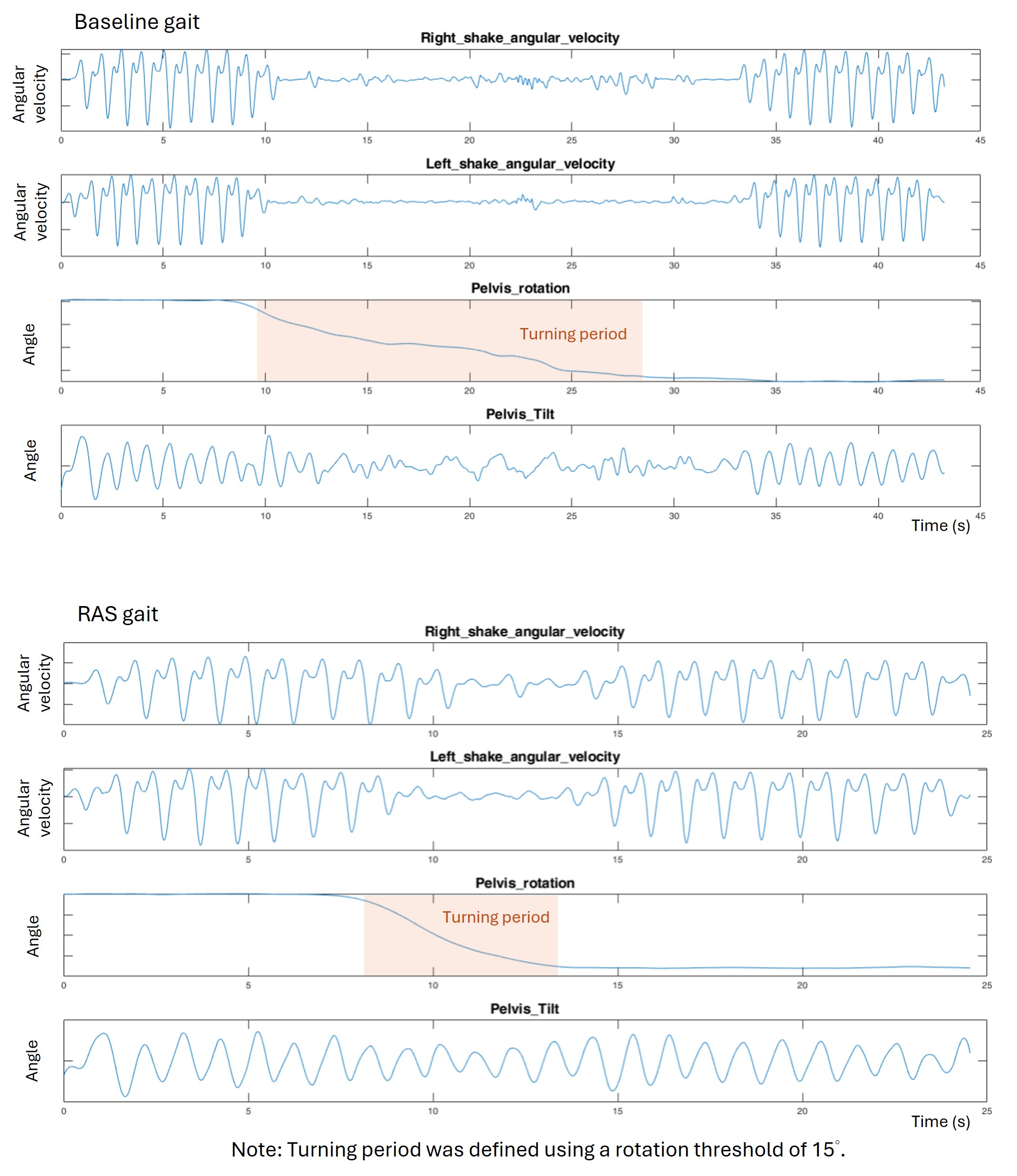
Figure 1. IMU-recorded gait with and without RAS.
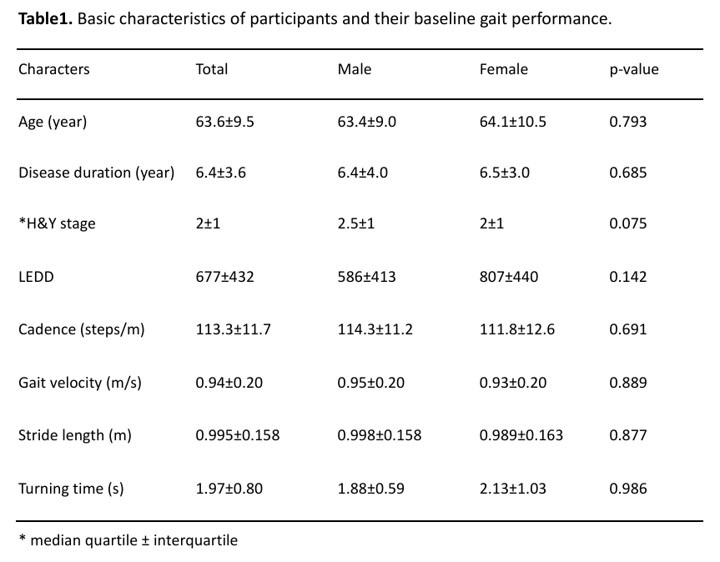
Table 1. Participant characteristics and RAS0 gait
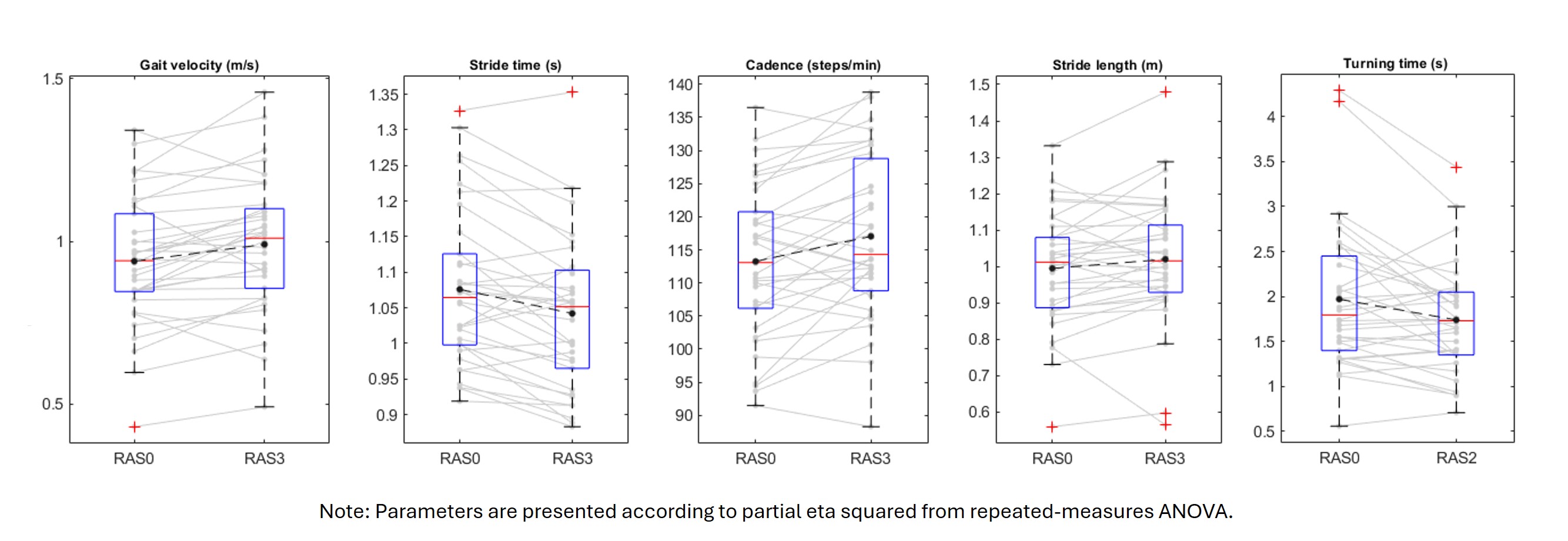
Figure 2. Gait parameter changes: RAS vs baseline
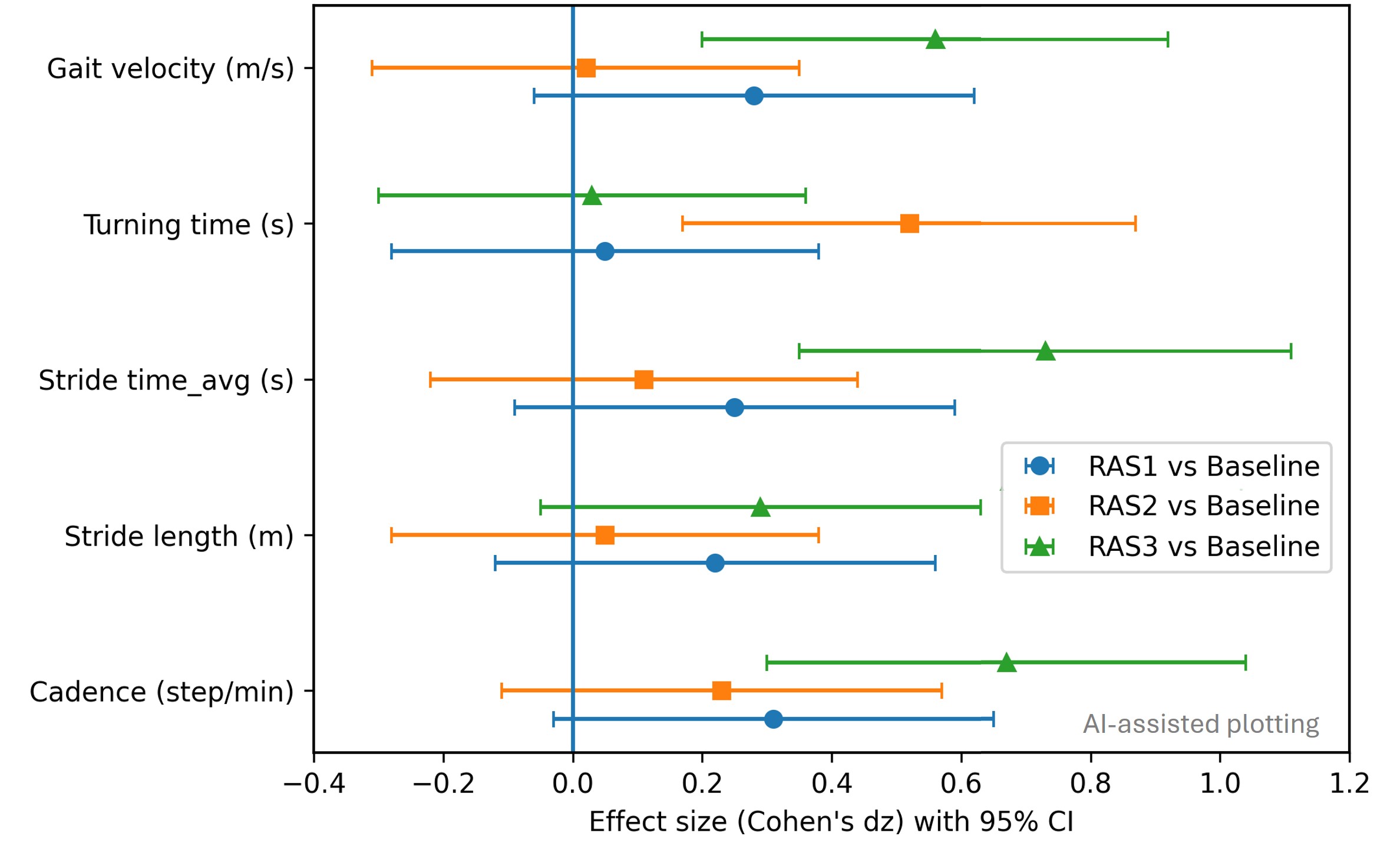
Figure 3. Forest plot of RAS vs baseline gait
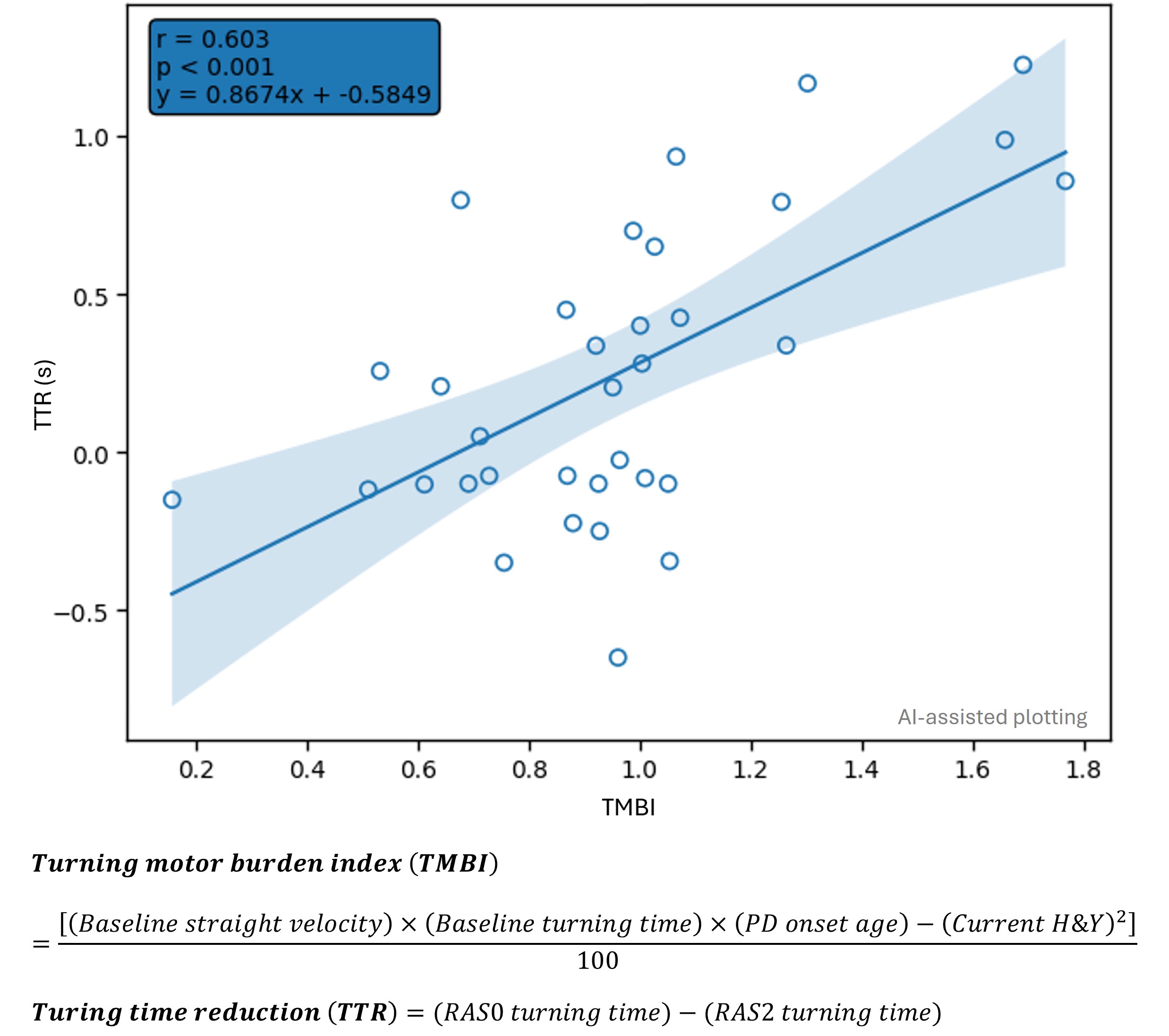
Figure 4. Correlation of TTR and TMBI during RAS2
To cite this abstract in AMA style:
CY. Chien, YH. Liu, YL. Chen, CL. Lin, JSK. Chang, CCK. Lin. Personalized Rhythmic Cueing Differentially Improves Straight Walking and Turning in Parkinson’s Disease [abstract]. Mov Disord. 2026; 41 (suppl 1). https://www.mdsabstracts.org/abstract/personalized-rhythmic-cueing-differentially-improves-straight-walking-and-turning-in-parkinsons-disease/. Accessed October 1, 2026.« Back to 2026 International Congress
MDS Abstracts - https://www.mdsabstracts.org/abstract/personalized-rhythmic-cueing-differentially-improves-straight-walking-and-turning-in-parkinsons-disease/