
Category: Parkinson's Disease (Other)
Objective: To investigate clinical characteristics, disease progression, potential plasma and imaging biomarkers of body-first and brain-first Parkinson’s disease (PD) subtypes.
Background: PD can be classified into body-first and brain-first subtypes, depending on whether α-synuclein pathology originates in the enteric/peripheral autonomic nervous system or the central nervous system. However, studies comparing longitudinal clinical progression and biomarkers remain limited.
Method: The longitudinal cohort study enrolled 101 PD patients and 15 healthy controls (HCs). The REM Sleep Behavior Disorder Screening Questionnaire (RBDSQ) classified patients as body-first (n=58; RBDSQ≥6, RBD-positive at motor symptom onset) or brain-first (n=43; RBDSQ<3). Participants were followed for an average of 63.58 months. Plasma glial fibrillary acidic protein (GFAP), neurofilament light chain (NfL), Tau, and phosphorylated Tau-181 (pTau-181) were measured using Single Molecule Array (SimoA). All participants underwent 18F-fluorodeoxyglucose positron emission tomography (18F-FDG PET) to assess cerebral glucose metabolism.
Results: The body-first group patients showed worse autonomic dysfunction (P=0.023) and lower quality of life (P=0.028) at baseline. Longitudinally, they showed faster motor progression (P=0.013) and greater decline in attention and working memory (P=0.003). Plasma GFAP (P<0.001) and NfL (P=0.042) were higher in the body-first group. Body-first patients showed reduced glucose metabolism in left middle temporal, bilateral middle occipital, and left inferior parietal gyrus (P<0.001). In the brain-first group, plasma GFAP was positively correlated with substantia nigra metabolism (r=0.38, P=0.003) and negatively with parietal cortex metabolism (r=-0.42, P<0.001). Plasma NfL was positively correlated with cerebellar metabolism (r=0.35, P=0.008) and negatively with anterior cingulate cortex metabolism (r=-0.41, P=0.001). No significant correlations were observed in the body-first group.
Conclusion: The study reveals distinct clinical characteristics and biomarker profiles between body-first and brain-first PD. Body-first subtype is associated with faster motor decline, higher plasma biomarker levels, and more extensive cortical hypometabolism. Our findings support the validity of the body-first and brain-first subtype classification.
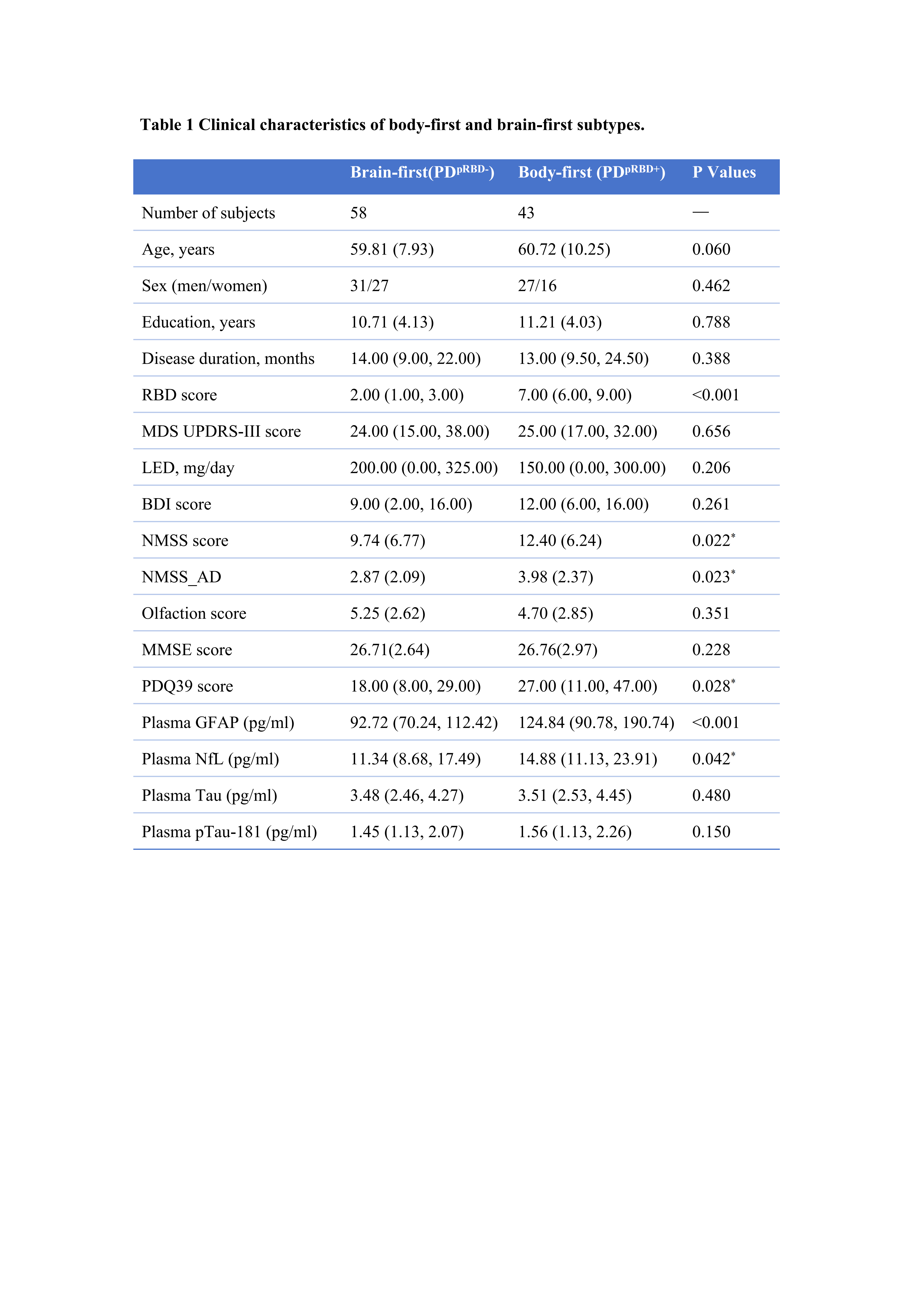
Table 1
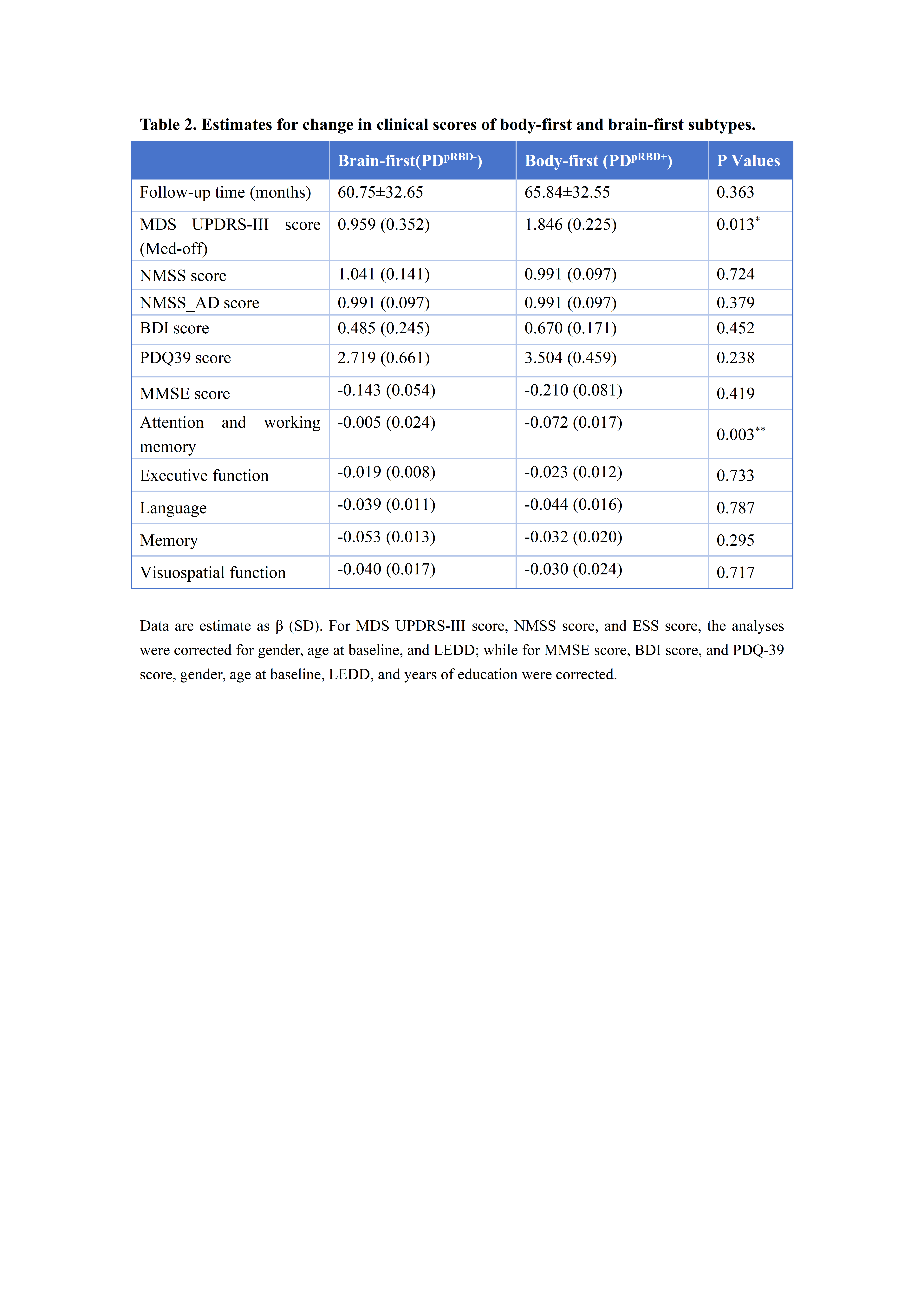
Table 2
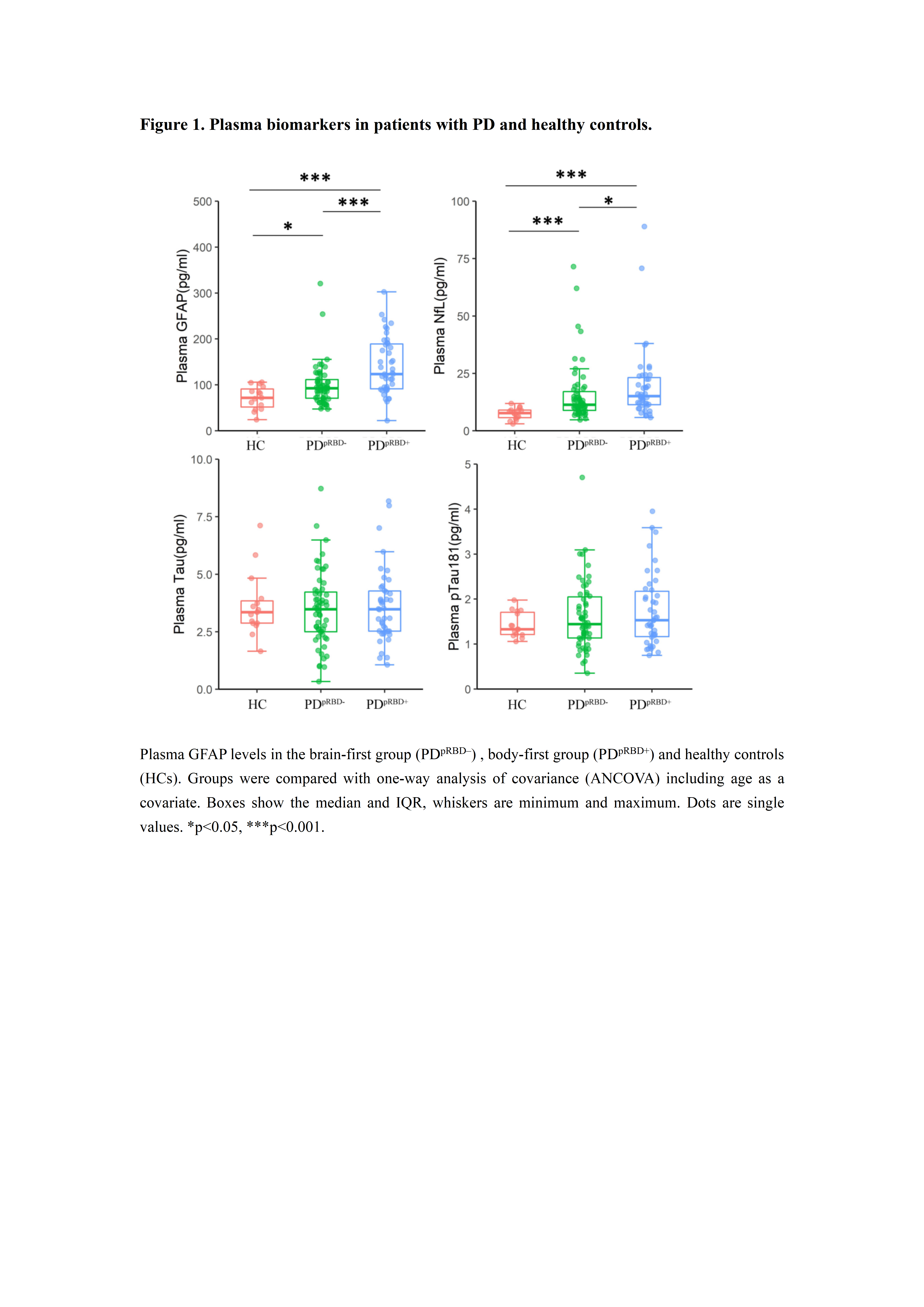
Figure 1
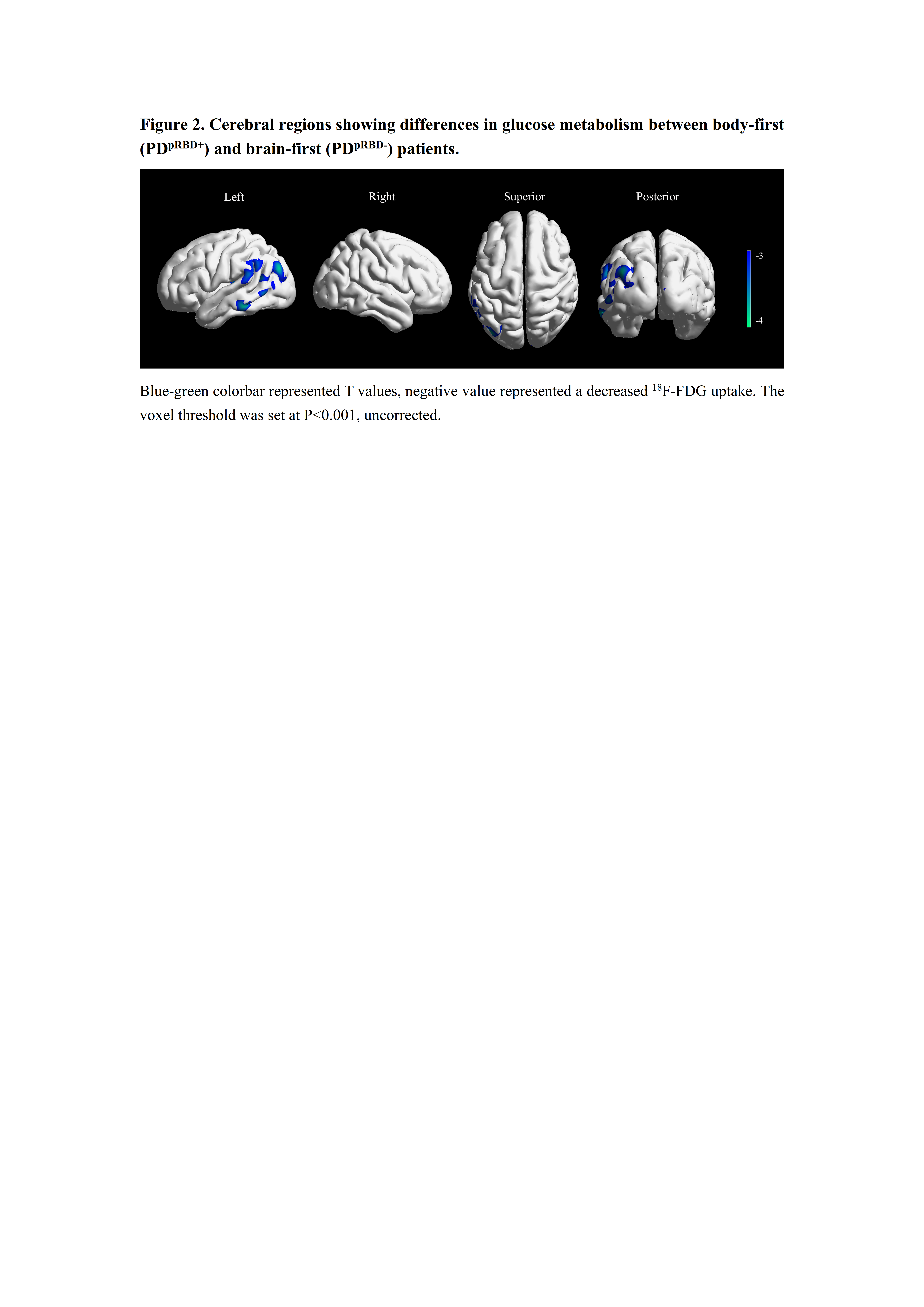
Figure 2
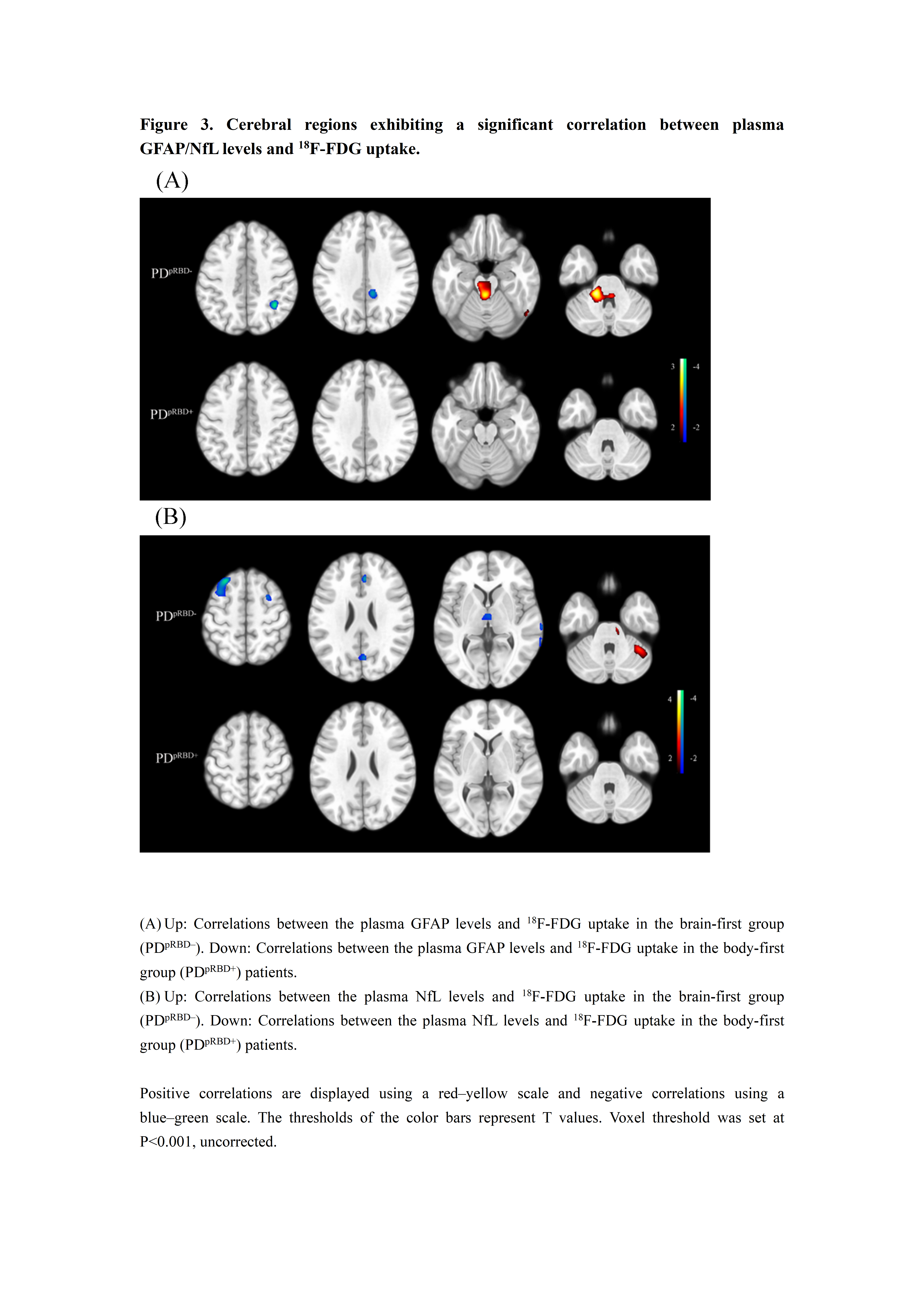
Figure 3
To cite this abstract in AMA style:
S. Li, Y. Tang, J. Wang. Clinical Characteristics and Biomarkers in Parkinson’s Disease Patients with Body-first versus Brain-first Subtypes in Parkinson’s Disease [abstract]. Mov Disord. 2025; 40 (suppl 1). https://www.mdsabstracts.org/abstract/clinical-characteristics-and-biomarkers-in-parkinsons-disease-patients-with-body-first-versus-brain-first-subtypes-in-parkinsons-disease/. Accessed October 9, 2026.« Back to 2025 International Congress
MDS Abstracts - https://www.mdsabstracts.org/abstract/clinical-characteristics-and-biomarkers-in-parkinsons-disease-patients-with-body-first-versus-brain-first-subtypes-in-parkinsons-disease/