
Category: Technology
Objective: To assess whether digital acoustic analysis can objectively capture posture-dependent symptom modulation in laryngeal dystonia.
Background: Objective tools for quantifying alleviating maneuvers in laryngeal dystonia remain limited. Digital voice analysis may provide a practical method to measure posture-dependent changes in phonatory stability.
Method: We analyzed paired sustained-vowel recordings from 2 patients with clinically diagnosed laryngeal dystonia, including 1 patient with segmental cranial dystonia with laryngeal involvement. In patient 1, recordings were obtained in a more symptomatic standing position and in a clinically alleviating head-down posture. In patient 2, recordings were obtained in a more symptomatic sitting position and in a clinically alleviating supine posture. Exploratory signal-derived acoustic measures included phonation duration, fundamental frequency variability, fundamental frequency range, amplitude variability, spectral flatness, and a harmonic ratio proxy.
Results: In both patients, the clinically alleviating posture was associated with measurable acoustic improvement. In patient 1, compared with standing, the head-down posture showed lower F0 variability (0.009 vs 0.131), narrower F0 range (0.56 vs 0.77 semitones), lower amplitude variability (0.177 vs 0.222), lower spectral flatness (0.005 vs 0.009), and longer phonation duration (8.78 vs 7.85 s). In patient 2, compared with sitting, the supine posture showed lower F0 variability (0.376 vs 0.384), narrower F0 range (13.3 vs 21.8 semitones), lower spectral flatness (0.0005 vs 0.0017), and longer phonation duration (10.8 vs 10.2 s), while amplitude variability changed in the opposite direction (0.168 vs 0.160). Overall, paired recordings demonstrated that clinically reported alleviating maneuvers can be detected as objective changes in voice-signal stability (Figure1).
Conclusion: Digital acoustic analysis may provide a feasible objective tool for quantifying alleviating maneuvers in laryngeal dystonia. These preliminary observations support the use of paired voice recordings to document posture-dependent symptom modulation and justify prospective studies with repeated recordings, standardized speech tasks, and validated acoustic metrics.
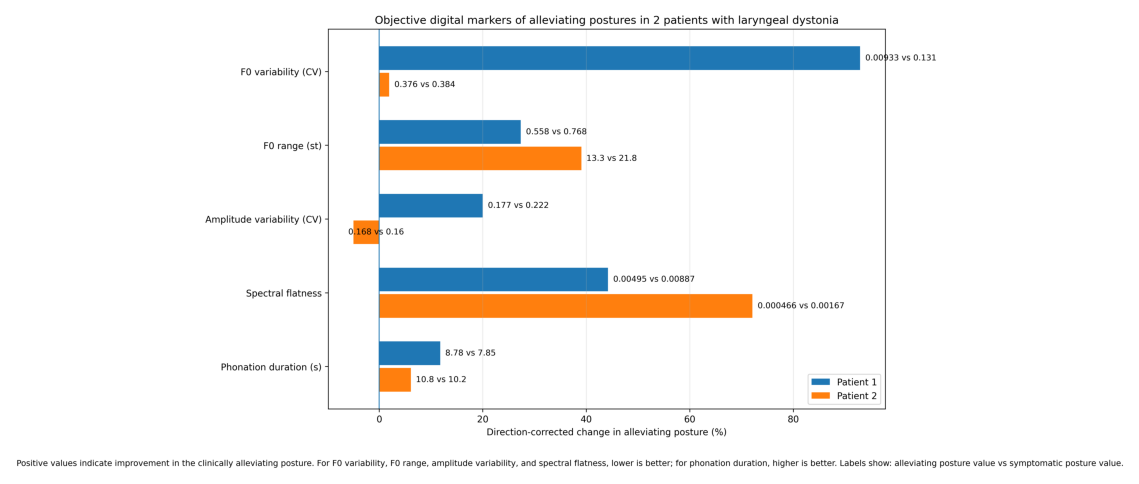
Figure 1. Digital markers for alleviating posture
To cite this abstract in AMA style:
I. Khasanov, D. Khasanova. Digital acoustic assessment of alleviating maneuvers in laryngeal dystonia: a 2-patient case series [abstract]. Mov Disord. 2026; 41 (suppl 1). https://www.mdsabstracts.org/abstract/digital-acoustic-assessment-of-alleviating-maneuvers-in-laryngeal-dystonia-a-2-patient-case-series/. Accessed October 1, 2026.« Back to 2026 International Congress
MDS Abstracts - https://www.mdsabstracts.org/abstract/digital-acoustic-assessment-of-alleviating-maneuvers-in-laryngeal-dystonia-a-2-patient-case-series/