
Objective: To evaluate the utility of the NSD-ISS for clinical staging of Parkinson’s disease (PD) by examining stage distribution, longitudinal stage transitions, and demographic predictors of progression using the CPP-IPD.
Background: There is a need for robust clinical staging systems in PD that capture functional impairment and longitudinal progression. Existing approaches (Hoehn and Yahr, MDS-UPDRS) are largely motor-focused and do not fully capture functional disability.The NSD-ISS was developed as a standardized framework for PD staging; however, its performance across diverse longitudinal cohorts remains incompletely characterized [1,2]. Longitudinal datasets provide an opportunity to evaluate its clinical utility.
Method: We conducted a retrospective longitudinal analysis of the CPP-IPD, comprising 21 studies. All contributing studies had ethics approval.The current study was approved by the University Health Network Research Ethics Board (Toronto, Canada).
Four cohorts met inclusion criteria: PPMI(n=1,258;7-year follow-up), TRACKING-PD(n=1,998;4.5-year follow-up), STEADY-PD(n=336;3-year follow-up), and PICNICS(n=280;11.4-year follow-up).Participants classified as symptomatic NSD-ISS Stage ≥3 with follow up >2 years were included. Stages were derived using MDS-UPDRS Parts I-II, cognitive assessments (MoCA/ACE-R),and treatment status. Stage prevalence, distributions, and transitions to higher stage were evaluated. Associations with age/sex/disease duration were examined using regression analyses.
Results: Stage 3 was the most prevalent NSD-ISS stage (PPMI 62%, PICNICS 68%, STEADY-PD 64%, TRACKING-PD 50%), followed by stage 4, while stage 6 was rare (Table 1). Over time, increasing proportions of individuals transitioned to higher stages across all four cohorts, reflecting expected patterns of PD progression. Faster progression was observed in PICNICS and TRACKING-PD (Fig.1-3). Older age and male sex were associated with greater risk of transition to a higher stage.
Conclusion: NSD-ISS stage transitions reflected progressive functional decline. Differences in transition rates across datasets suggest cohort characteristics influence staging dynamics. The association between age and sex transition timing may inform clinical trial design and analysis.
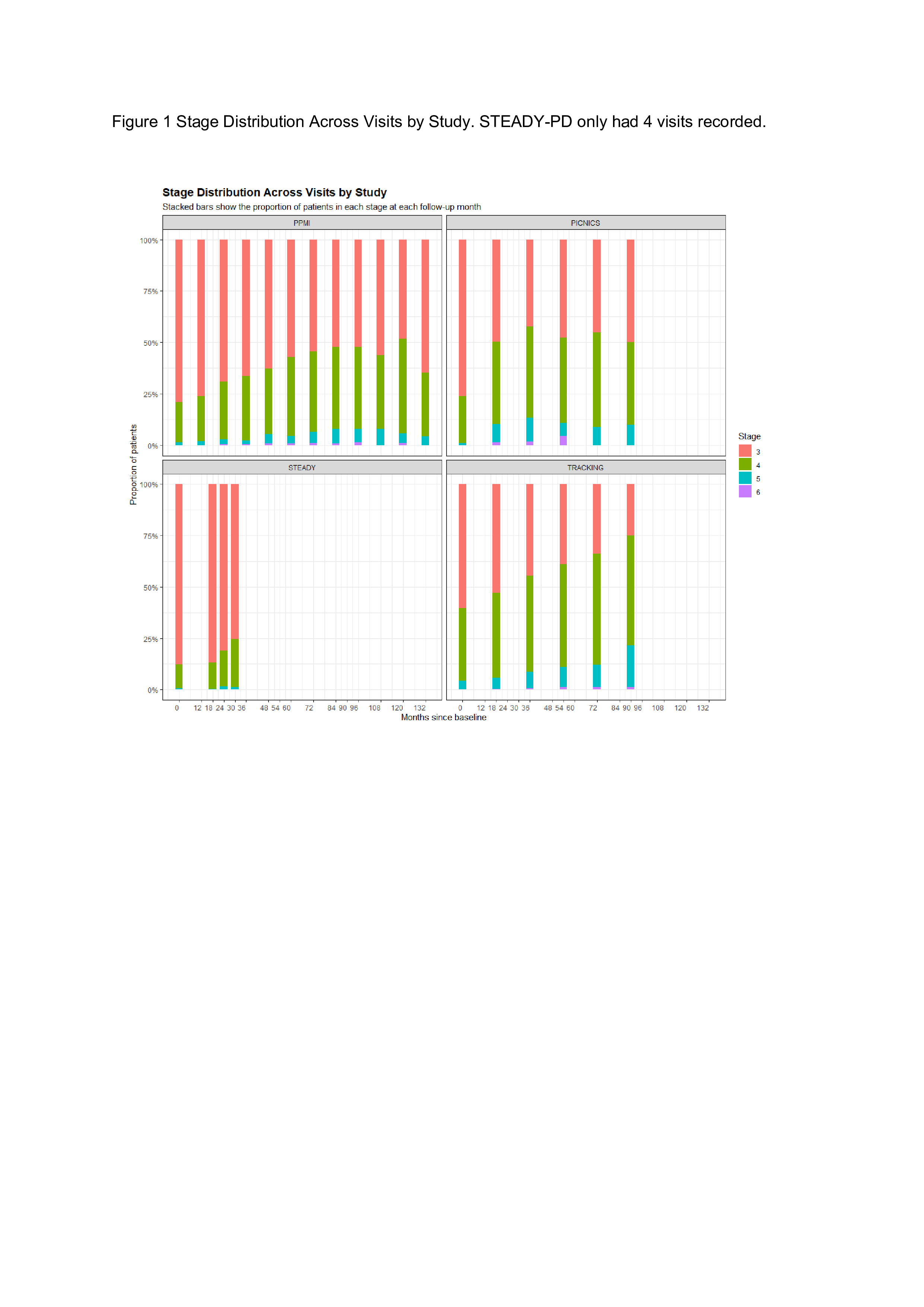
Figure 1 Stage Distribution Across Visits
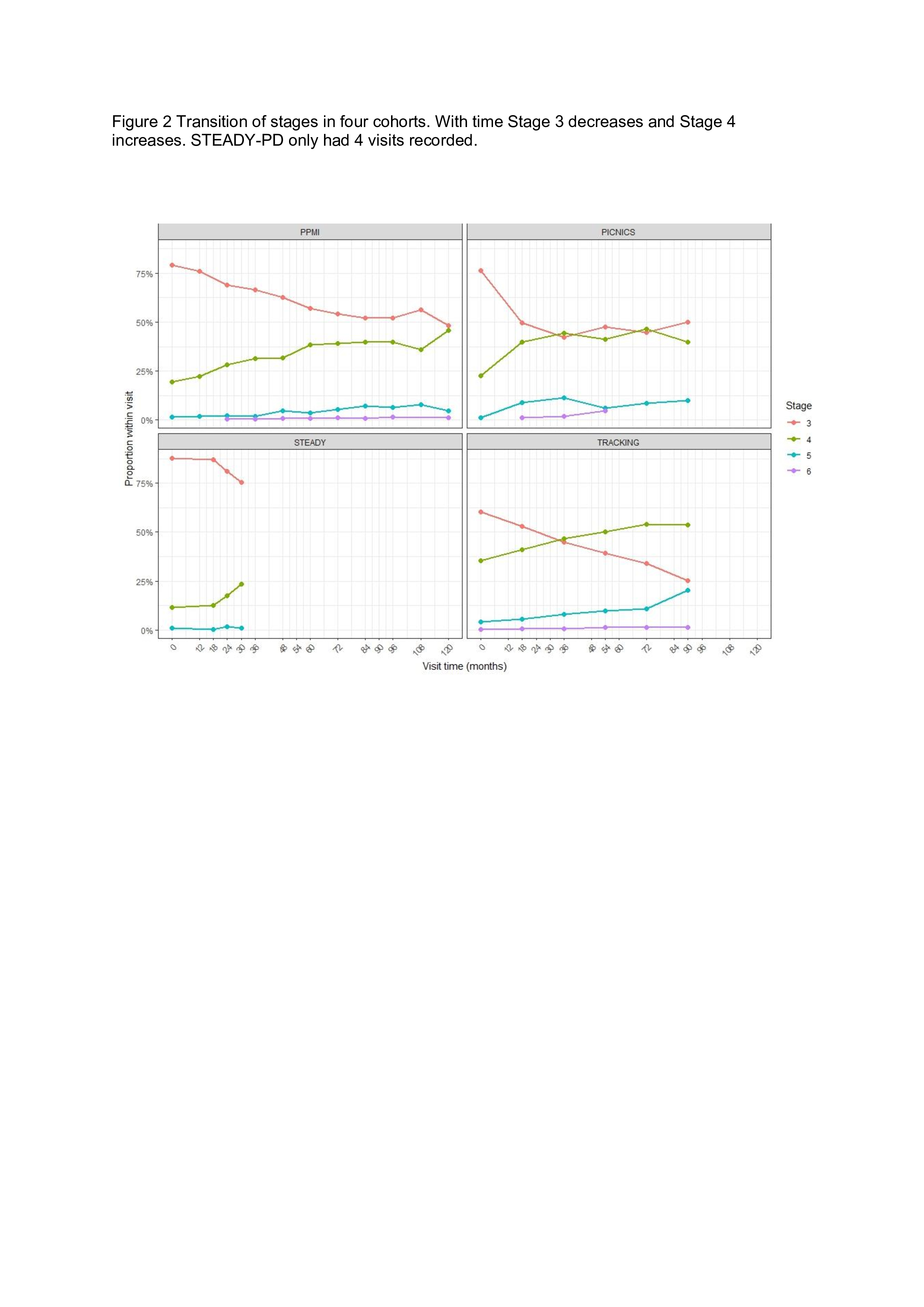
Figure 2 Transition of stages in four cohorts
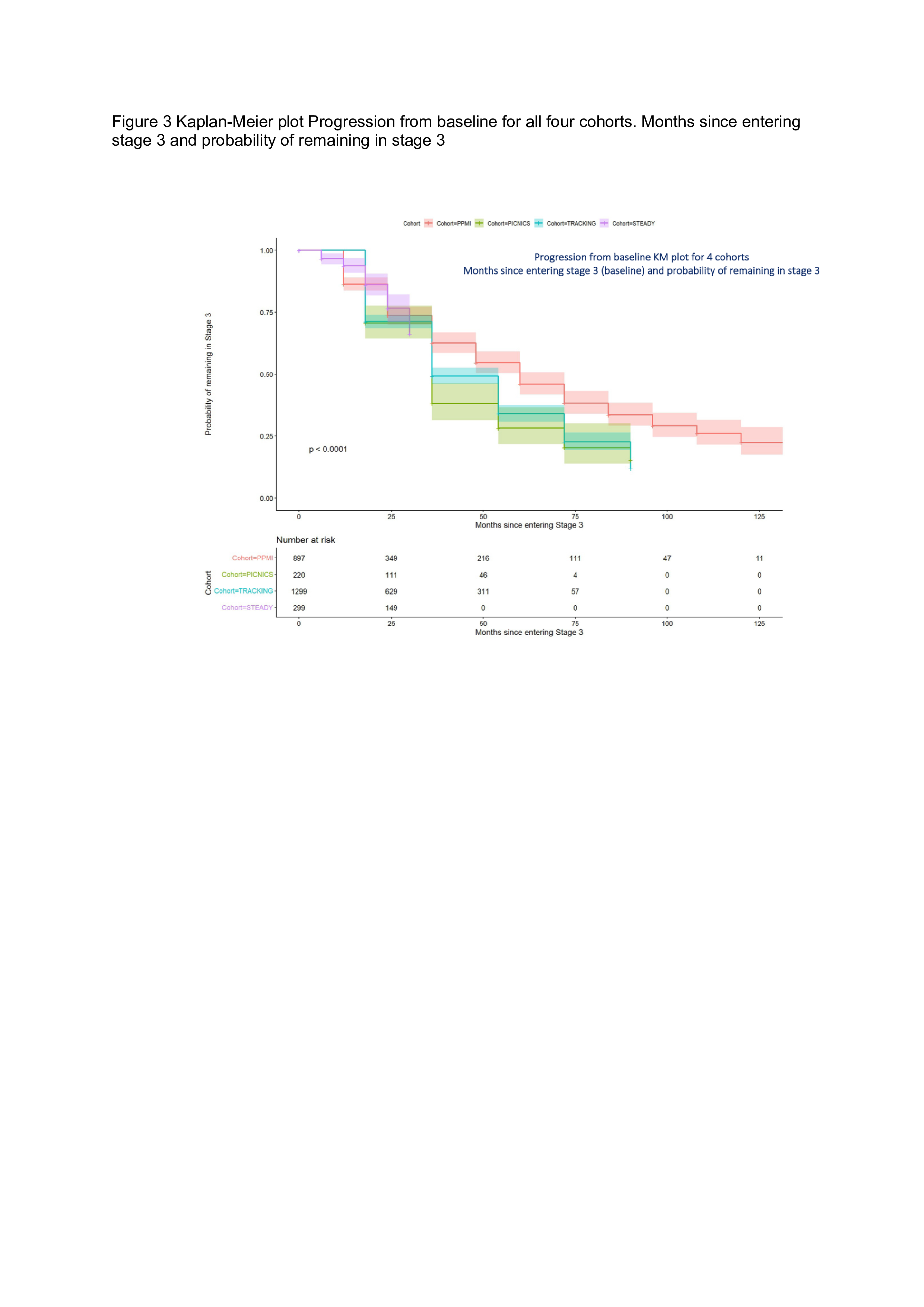
Figure 3 Progression from baseline
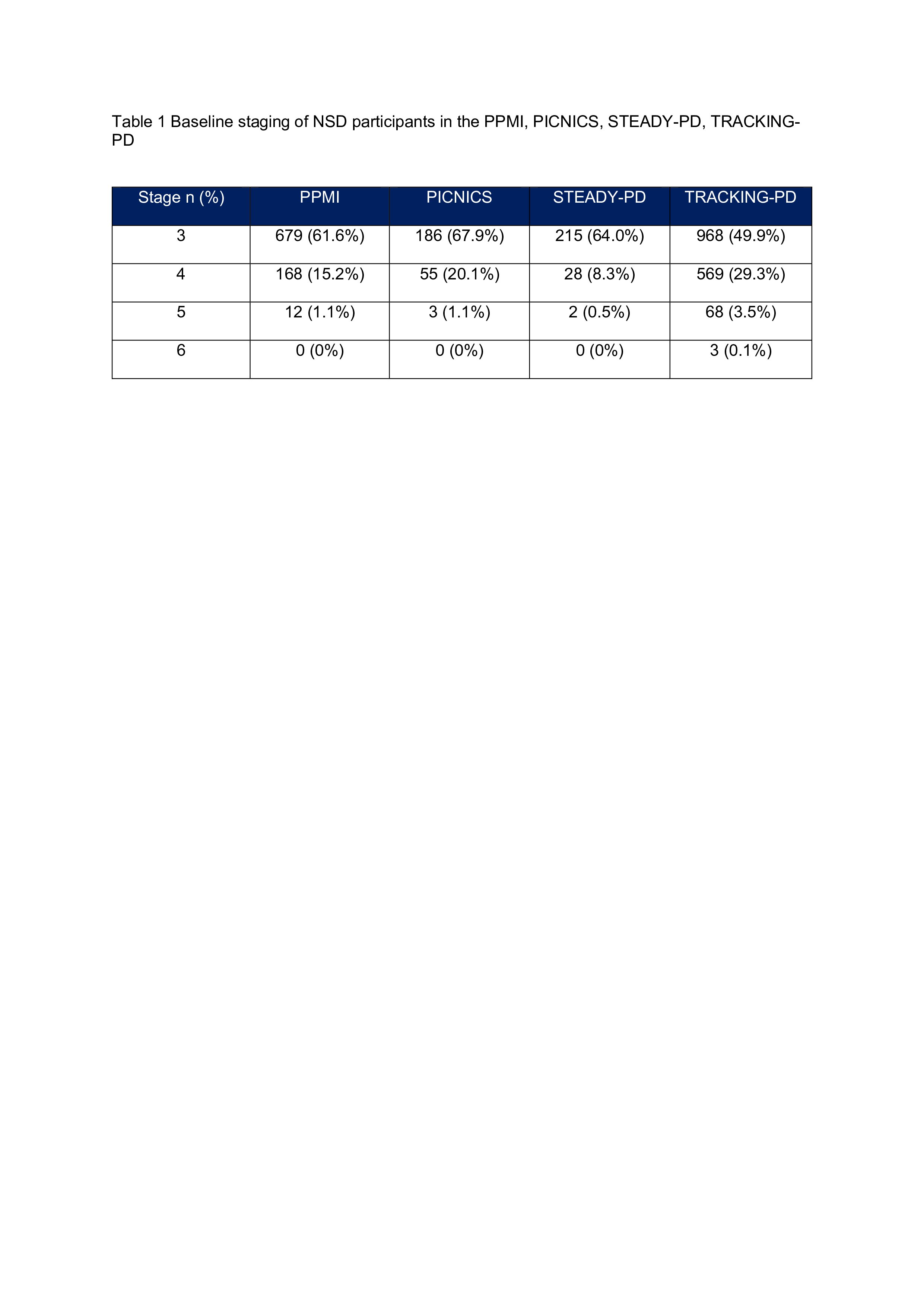
Table 1 Baseline staging of NSD participants
References: Acknowledgement:
We would like to thank Dr Tanya Simuni for her expertise provided on the topic and the Michael J Fox Foundation for grant funding.
References:
1. Simuni T, Gochanour C, Nair AR, Brumm MC, Coffey C, Poston KL, Chahine LM, Weintraub D, Tanner CM, Gonzalez-Latapi P, Kopil CM, Xiao Y, Chowdhury S, Dam T, Pagano G, Stephenson D, Siderowf A, Dunn B, Marek K; NSD Working Group the Parkinson’s Progression Markers Initiative. Neuronal α-Synuclein Disease Stage Progression over 5 Years. Mov Disord. 2025 Jul;40(7):1318-1330. doi: 10.1002/mds.30191.
2.Dam T, Pagano G, Brumm MC, Gochanour C, Poston KL, Weintraub D, Chahine LM, Coffey C, Tanner CM, Kopil CM, Xiao Y, Chowdhury S, Concha-Marambio L, DiBiaso P, Foroud T, Frasier M, Jennings D, Kieburtz K, Merchant K, Mollenhauer B, Montine TJ, Nudelman K, Seibyl J, Sherer T, Singleton A, Stephenson D, Stern M, Soto C, Tolosa E, Siderowf A, Dunn B, Simuni T, Marek K; Parkinson’s Progression Markers Initiative. Neuronal alpha-Synuclein Disease integrated staging system performance in PPMI, PASADENA, and SPARK baseline cohorts. NPJ Parkinsons Dis. 2024 Sep 27;10(1):178. doi: 10.1038/s41531-024-00789-w.
To cite this abstract in AMA style:
DA. Olszewska, D. Ghosh, S. Luo, C. Marras. Performance of the functional staging of Parkinson’s disease using the Neuronal aSynuclein Disease Integrated Staging System (NSD-ISS) in the Critical Path for Parkinson’s (CPP) Integrated Parkinson’s Database [abstract]. Mov Disord. 2026; 41 (suppl 1). https://www.mdsabstracts.org/abstract/performance-of-the-functional-staging-of-parkinsons-disease-using-the-neuronal-asynuclein-disease-integrated-staging-system-nsd-iss-in-the-critical-path-for-parkinsons-cpp-integr/. Accessed October 1, 2026.« Back to 2026 International Congress
MDS Abstracts - https://www.mdsabstracts.org/abstract/performance-of-the-functional-staging-of-parkinsons-disease-using-the-neuronal-asynuclein-disease-integrated-staging-system-nsd-iss-in-the-critical-path-for-parkinsons-cpp-integr/