
Category: Patient Perspectives
Objective: To determine the proportion of patients with dystonia accessing physiotherapy services in the United Kingdom, identify potential barriers to access, and gather patient perspectives to inform the development of future physiotherapy service delivery.
Background: Dystonia is the third most common movement disorder, affecting over 100,000 people in the UK. While current recommended treatments include medications, botulinum toxin, and deep brain stimulation, the National Neurosciences Advisory Group’s Dystonia pathway [1] also recommends neurophysiotherapy. Research demonstrates that physiotherapy can enhance the effect of botulinum toxin injections in reducing pain, disability, and disease severity [2] . Despite this evidence, anecdotally clinicians often work unidisciplinarily with little known about patients’ access to and experience of physiotherapy. We aimed to address this knowledge gap through a UK-wide survey of adults with dystonia.
Method: A cross-sectional online survey of UK adults with dystonia was conducted from August 2024-January 2025. The survey was developed by a multidisciplinary team of neurophysiotherapists, neurologists and Dystonia UK patient advocates. The survey was hosted online, with participants invited to take part in the survey via multiple routes that included website and social media posts and emails to distribution lists. Ethical approval was obtained (IRAS project ID 233848).
Results: From 182 responses across the UK, 60% of participants reported not being offered physiotherapy following diagnosis. While 78% of participants considered physiotherapy access important, 59% of those unsure cited insufficient information about benefits. Referral to physiotherapy was significantly associated with higher satisfaction levels of access (Figure 1, group comparison of satisfaction rating: Mann-Whitney U=2130.50, p<0.0001). Significant non-motor symptoms such as anxiety, fatigue, and pain were also often unaddressed within standard clinical care.
Conclusion: Despite recognition of dystonia as a multi-symptom disorder requiring rehabilitative care, significant gaps exist in UK service provision. Further investigation is needed to understand low referral rates and promote allied health professionals’ role to clinicians and patients. Future research should examine how physiotherapy service provision varies between countries to understand its impact on patient outcomes.
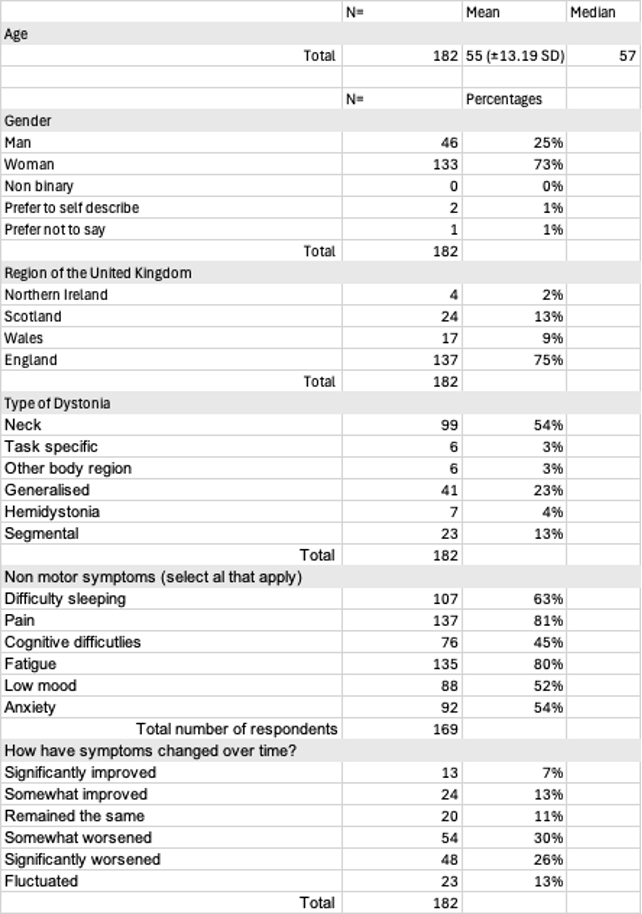
Table 1: Patient Demographics & Symptom Profile
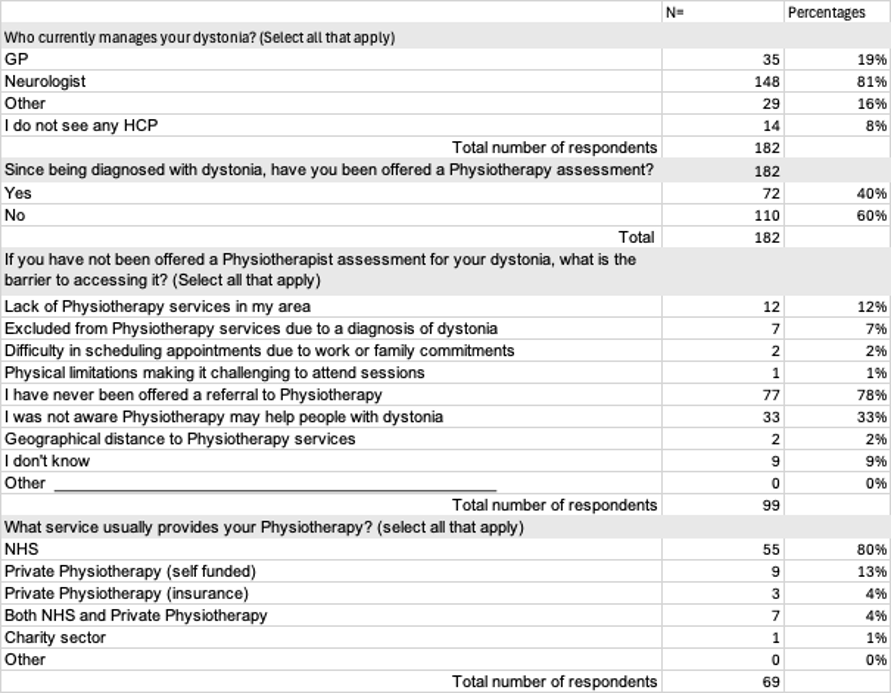
Table 2: Service Provision & Physiotherapy Access
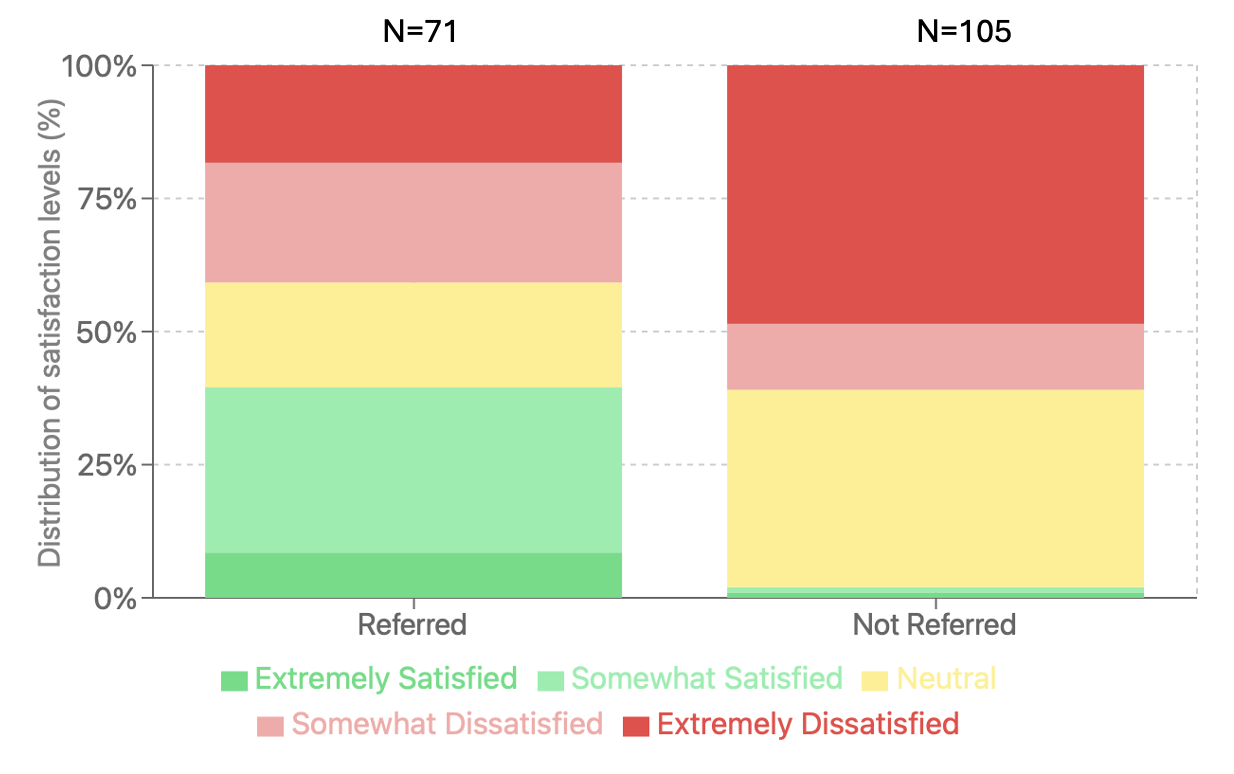
Figure 1: Patient Satisfaction by Referral Status
References: [1] National Neurosciences Advisory Group (NNAG) (2023), “Optimal clinical pathway for adults: Movement Disorders. Clinical Pathway.” Available at: https://static1.squarespace.com/static/5f1021faf6248b39f4c64f5d/t/64fe2919cdab061b38acb60a/1694378271727/03+NNAG+Movement+Disorders+Pathway+Final+4.pdf (Accessed: 30 October 2024).
[2] Kassaye, S.G., De Hertogh, W., Crosiers, D., Gudina, E.K., De Pauw, P., (2024) “The effectiveness of physiotherapy for patients with isolated cervical dystonia: an updated systematic review and meta-analysis”, BMC Neurology, 24(1), p. 53. Available at: https://doi.org/10.1186/s12883-023-03473-3.
To cite this abstract in AMA style:
K. Sampson, I. Varela, H. Louissant, K. Holt, A. Batla, G. Nielsen, A. Sadnicka. Physiotherapy for Dystonia in the UK: Current Practice, Patient Perspectives, and Future Directions [abstract]. Mov Disord. 2025; 40 (suppl 1). https://www.mdsabstracts.org/abstract/physiotherapy-for-dystonia-in-the-uk-current-practice-patient-perspectives-and-future-directions/. Accessed October 16, 2026.« Back to 2025 International Congress
MDS Abstracts - https://www.mdsabstracts.org/abstract/physiotherapy-for-dystonia-in-the-uk-current-practice-patient-perspectives-and-future-directions/