
Category: Parkinsonism (Other)
Objective: To assess therapy response in a PBC cohort
Background: Primary Brain Calcification (PBC) is a neurodegenerative disorder characterized by calcium deposition in the brain manifesting with movement disorders, psychiatric/cognitive disturbances. Response to symptomatic treatment in PBC has not been systematically evaluated[1,2].
Method: Patients with probable/definite PBC from Padua University underwent neurological examination and pharmacological history assessment. Perceived therapeutic benefit was evaluated through neurologist judgment and patient self-report questionnaire and classified as no/partial/satisfactory response.
Results: 35 PBC patients with movement disorders received pharmacological (n=32) and/or rehabilitation treatment (n=24); a multidrug approach was used in 65.5% of cases. Parkinsonism was observed in 24 patients (75%); all received levodopa (LD), while dopamine agonists were used in 13 (54%), MAO inhibitors in 4 (16.6%), COMT inhibitors in 2 (8.3%). Dystonia was treated with anticholinergics or botulinum toxin in 7 cases (22%); benzodiazepines (BDZ) or antiepileptics were added in refractory cases without further benefit. In 2 patients with paroxysmal kinesigenic dyskinesia, anticholinergics and carbamazepine were effective. Beta-blockers or antiepileptics were used in 4 patients (12.5%) with essential/dystonic tremor. A LD trial was also adopted as second-line therapy for tremor or dystonia and in 13 patients with cerebellar symptoms. Overall, a relevant response was observed in 10 patients (28%) and a partial benefit in 13 (37%). The lowest response rates were observed in cerebellar symptoms, dysarthria, and atypical parkinsonism phenotypes compared with other movement disorders (p=0.03), which showed at least partial benefit in half of cases. Treatment for psychiatric symptoms was administered in 33 cases, with polytherapy in 22 (66.7%) and a satisfactory response in 80%; the most commonly used drugs were SSRIs, atypical antipsychotics, BDZs. Cholinesterase inhibitors did not warrant significant changes (2 cases).
Conclusion: Clinical manifestations of PBC can be managed with symptomatic therapies, achieving satisfactory outcomes in more than half of patients, with the exception of cerebellar features. Systematic evaluation of treatment response may contribute to define future therapeutic guidelines.
Data partially submitted as abstract for EAN2026
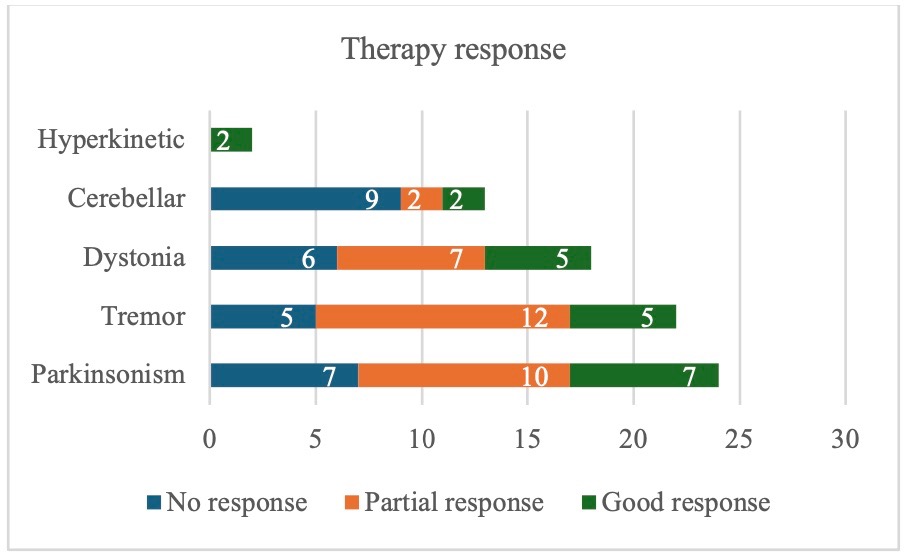
Fig.1 Therapy response in movement disorders
References: [1] Luo W, Cen Z, Koek H, et al. Primary Brain Calcification: An International Consensus on Nomenclature, Diagnosis, Evaluation, and Management. Mov Disord. Published online December 4, 2025. doi:10.1002/mds.70140
[2] Carecchio M, Mainardi M, Bonato G. The clinical and genetic spectrum of primary familial brain calcification. J Neurol. 2023;270(6):3270-3277. doi:10.1007/s00415-023-11650-0
To cite this abstract in AMA style:
G. Bonato, F. Pistonesi, A. Antonini, M. Carecchio. Response to symptomatic therapy in Primary Brain Calcification: a cohort survey [abstract]. Mov Disord. 2026; 41 (suppl 1). https://www.mdsabstracts.org/abstract/response-to-symptomatic-therapy-in-primary-brain-calcification-a-cohort-survey/. Accessed October 1, 2026.« Back to 2026 International Congress
MDS Abstracts - https://www.mdsabstracts.org/abstract/response-to-symptomatic-therapy-in-primary-brain-calcification-a-cohort-survey/