
Category: Education in Movement Disorders
Objective: To evaluate the effectiveness of a novel “Step-by-Step” teaching round model in improving neurology residents’ knowledge and clinical competency in movement disorders.
Background: Movement disorders, such as Parkinson’s disease, are recognised as challenging clinical conditions due to their complex symptom profiles and stepwise diagnostic processes. In light of widespread resident physician apprehension about neurological training, enhancing their competence through improved teaching rounds has become a priority.
Method: Sixty resident physicians rotating from February 2022 to September 2024 were enrolled and randomly assigned to an experimental group or a control group (30 residents each). The experimental group received a “Step-by-Step” approach, a multi-method, integrated teaching approach, while the control group received traditional teaching methods. Teaching effectiveness was evaluated using movement disorders knowledge questionnaires, Mini-Clinical Evaluation Exercise assessments, and satisfaction surveys.
Results: The experimental group demonstrated significantly greater mastery of movement disorders than the control group, particularly on more challenging multiple-choice questions (F = 26.04, p < 0.001) (Table 1). The innovative teaching round model demonstrated a direct positive effect on theoretical test performance and an indirect impact on enhancing clinical skills (Figure 1). A cluster analysis showed a greater proportion of learners in the experimental group (n = 25) than in the control group (n = 13) fell into the “better theory–better skill” category (Figure 2). Overall, resident physicians’ satisfaction was also higher in the experimental group.
Conclusion: The novel “Step-by-Step” teaching methodology, grounded in constructivist and situational learning theories, effectively improves resident physicians’ competency in movement disorders. It provides a structured and replicable teaching framework for standardised residency training programs and shows promise for broader implementation (Figure 3).
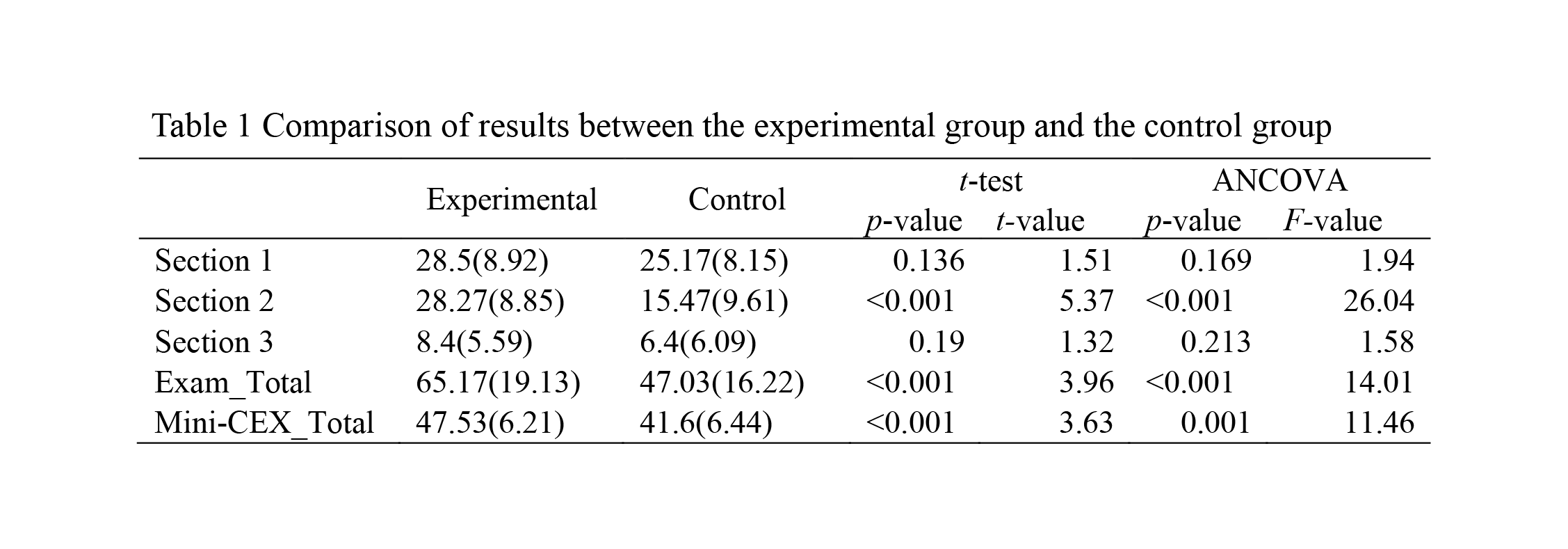
Table 1
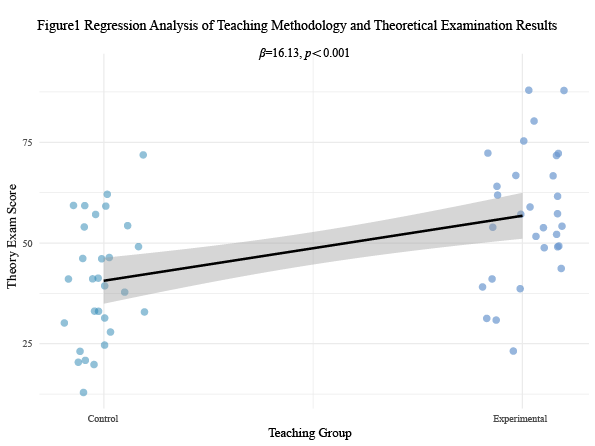
Figure 1
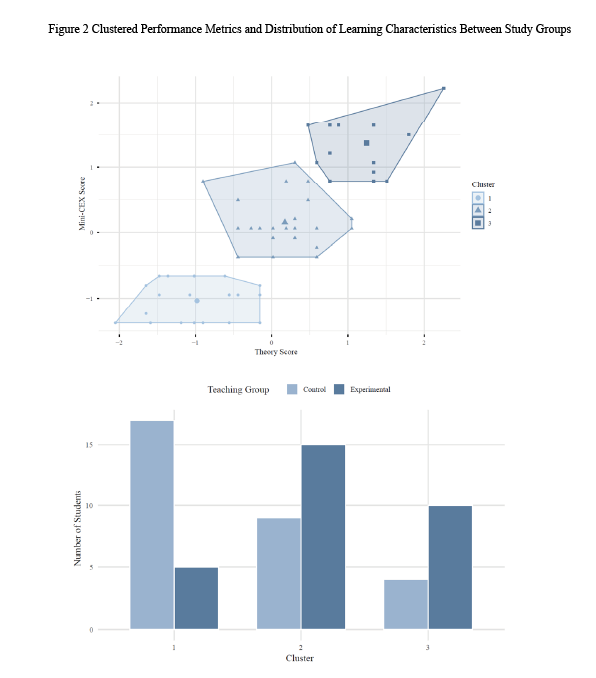
Figure 2
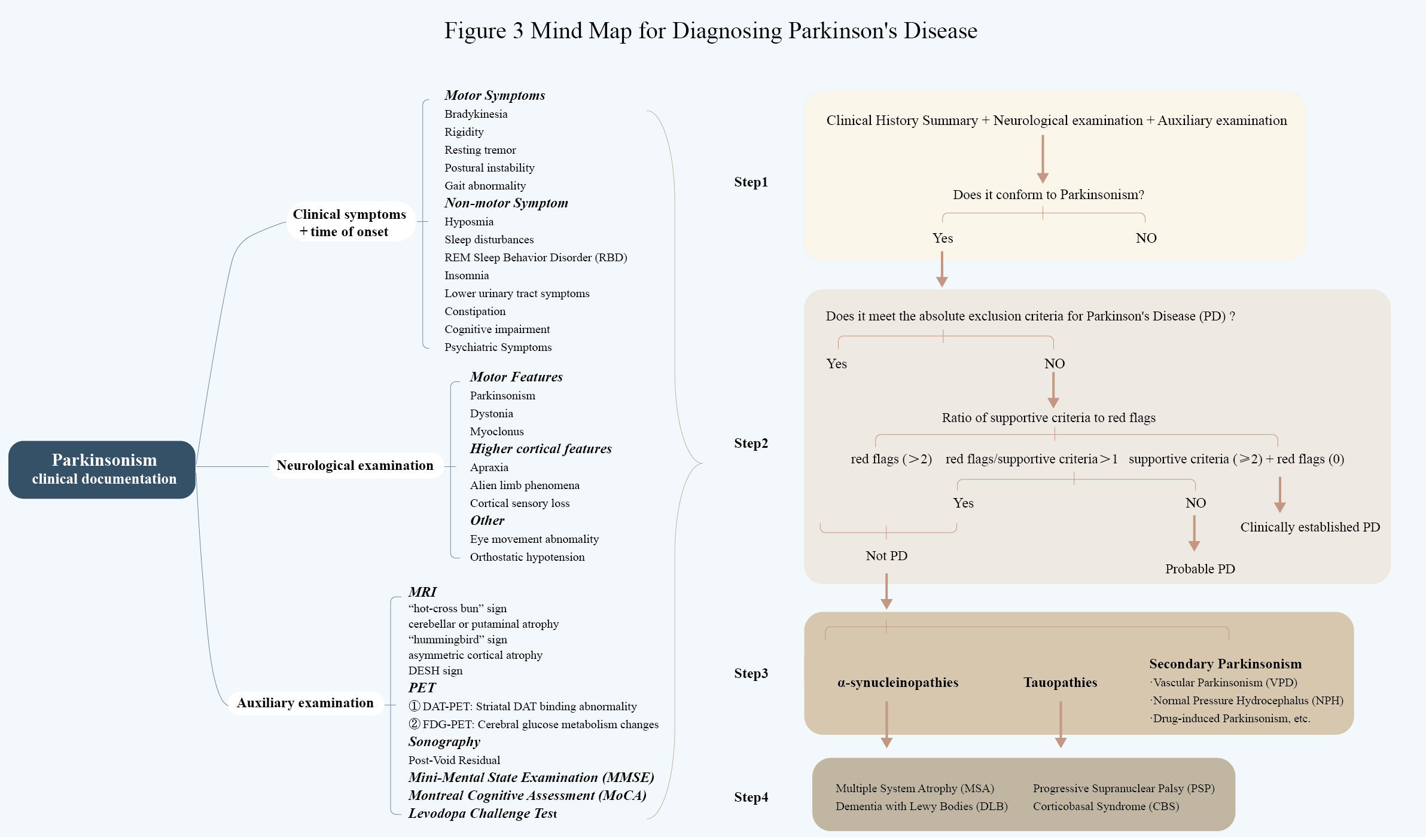
Figure 3
To cite this abstract in AMA style:
W. Wang, D. Dong, W. Wu, C. Cen, L. Luo. “Step-by-Step” in Movement Disorders: A Disease-Specific, Multi-Method Integrated Teaching Approach [abstract]. Mov Disord. 2026; 41 (suppl 1). https://www.mdsabstracts.org/abstract/step-by-step-in-movement-disorders-a-disease-specific-multi-method-integrated-teaching-approach/. Accessed October 1, 2026.« Back to 2026 International Congress
MDS Abstracts - https://www.mdsabstracts.org/abstract/step-by-step-in-movement-disorders-a-disease-specific-multi-method-integrated-teaching-approach/