
Category: Parkinson's Disease (Other)
Objective: This study aims to evaluate the clinical, humanistic, and societal impact of delayed SC therapy in patients with PD.
Background: As Parkinson’s disease (PD) progresses, the effectiveness of oral therapies in controlling symptoms often decreases, requiring advanced treatment options such as continuous subcutaneous (SC) device-aided therapies. Despite their clinical benefits, SC therapies are often started late, leaving patients with PD exposed to prolonged periods of uncontrolled symptoms.
Method: We developed a Markov model to quantify the impact of timely versus delayed SC therapy, comprising foslevodopa/foscarbidopa (LDp/CDp) and continuous SC apomorphine Infusion (CSAI), in PD. Patients progress through the model according to simulated OFF‑time levels. Two cohorts were defined: one starting SC therapy at baseline (timely initiation cohort) and one assuming delayed SC therapy by one year (delayed cohort). During the delay, patients received standard of care with oral agents, reflecting suboptimal disease control, indicated by worsening OFF time. Efficacy of LDp/CDp was sourced from a Phase 3 trial and CSAI efficacy was defined relative to LDp/CDp via a network meta-analysis. Outcomes were reported per patient over 3 years, including healthcare resource use (HCRU), and patient outcomes (OFF time, number of falls, and sleep disturbance). OFF-time levels were linked to clinical inputs, sourced from Adelphi and literature.
Results: In the timely initiation cohort, average OFF time decreased immediately after initiating SC therapy at model entry, whereas the delayed cohort experienced a slight initial rise before SC therapy was initiated at 1 year (Figure 1). Over 3 years, delayed treatment resulted in an average of 2.3 additional OFF hours per day and 2 extra falls (+31.2%). At year 3, the delayed cohort still had 0.9 additional OFF hours per day. A 1-year delay also increased HCRU, with the largest increase in nursing home days (11.4 days over 3 years; 97.6%) and hospital nights (2.3; 60.2%) (Table 1). Hospitalizations increased by 45.8%, ER visits by 48.8%, and long-term care use by 31.9%.
Conclusion: A 1-year delay in initiating SC therapies results in worse health outcomes and considerably greater HCRU than timely initiation. Relatively modest differences in clinical outcomes have large downstream humanistic, economic and societal consequences.
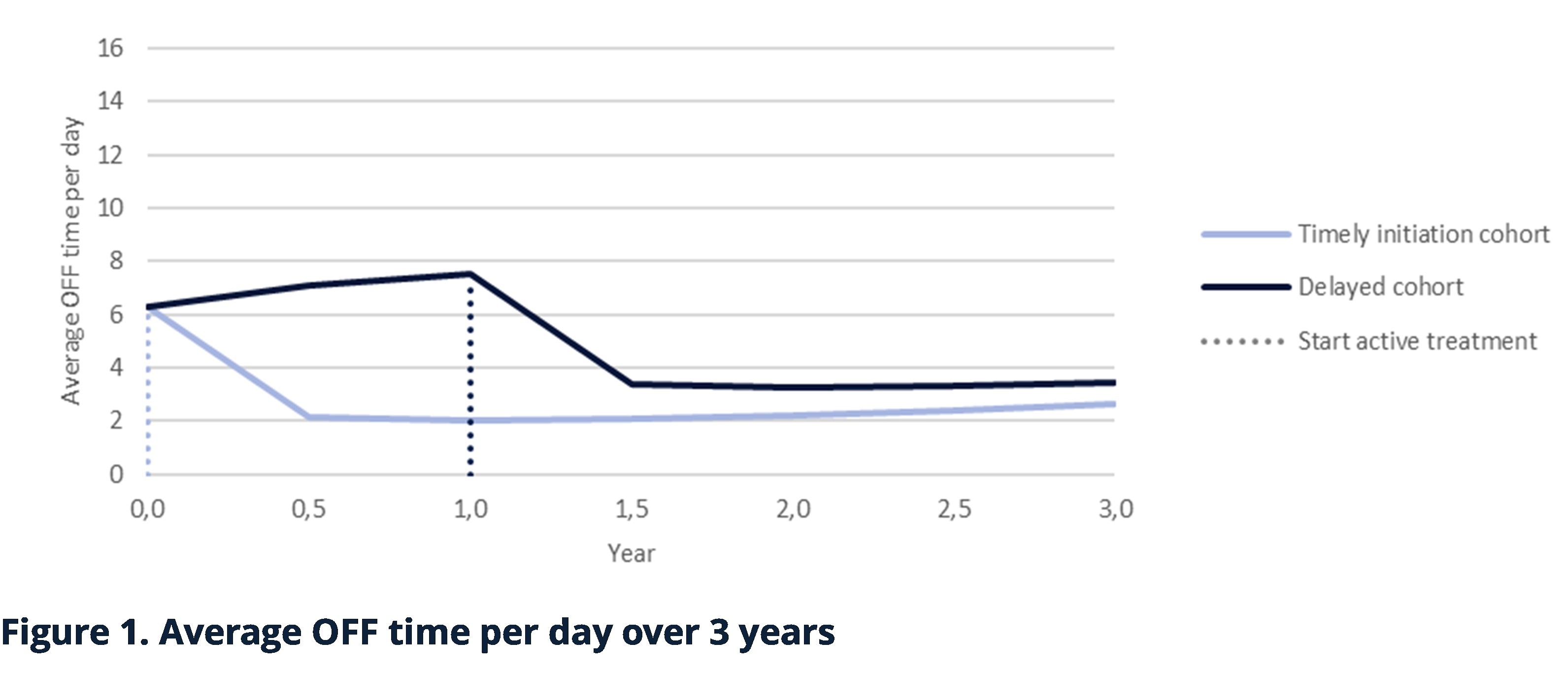
Figure 1. Average OFF time per day over 3 years
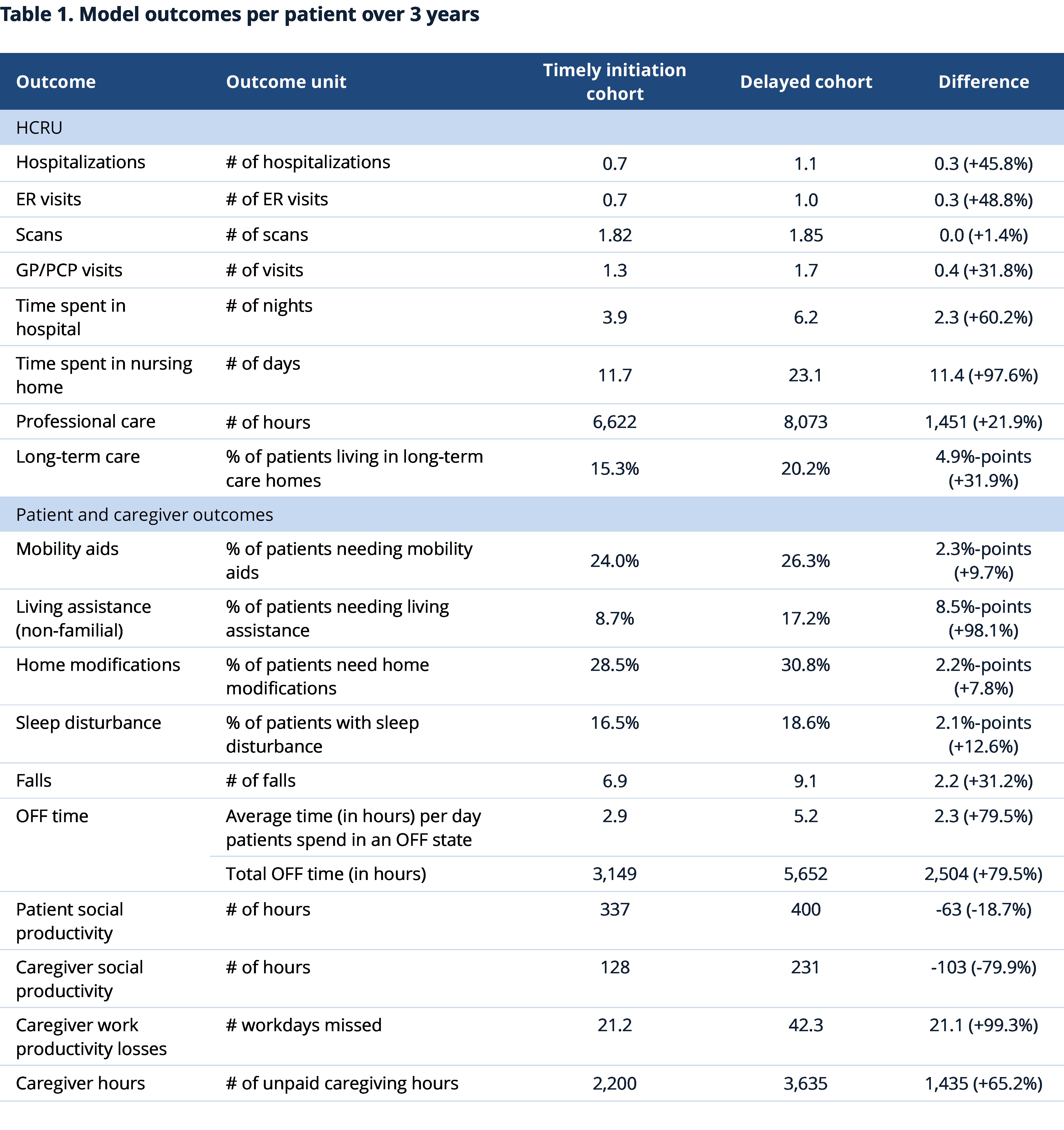
Table 1. Model outcomes per patient over 3 years
To cite this abstract in AMA style:
R. Wiggins, J. Lee, T. Boodhna, O. Yip, J. Homola, L. Pronk, R. van Den Puttelaar, J. Aldred. The Impact of Delaying Subcutaneous Device-Aided Therapy for Patients with Advanced Parkinson’s Disease [abstract]. Mov Disord. 2026; 41 (suppl 1). https://www.mdsabstracts.org/abstract/the-impact-of-delaying-subcutaneous-device-aided-therapy-for-patients-with-advanced-parkinsons-disease/. Accessed October 1, 2026.« Back to 2026 International Congress
MDS Abstracts - https://www.mdsabstracts.org/abstract/the-impact-of-delaying-subcutaneous-device-aided-therapy-for-patients-with-advanced-parkinsons-disease/