
Objective: This narrative review aims to consolidate research published from 2015 to 2025 regarding abnormalities in gut microbiota in patients with Parkinson’s disease, emphasizing potential pathophysiological processes and novel microbiome-targeted treatment methods.
Background:
The gut microbiota has recently emerged as a key factor in improving our understanding of neurodegenerative diseases. Among these, Parkinson’s disease (PD) represents a particularly promising area of investigation, with growing evidence supporting the involvement of the microbiota–gut–brain axis in disease pathophysiology.
Parkinson’s disease is characterized by dopaminergic neuronal degeneration and α-synuclein aggregation, and is frequently associated with early gastrointestinal dysfunction. This clinical observation has strengthened the hypothesis that pathological processes may partly originate in the gut.
Method: A targeted search was conducted in the Scopus and PubMed databases for English and French-language publications covering the period 2015–2025. Observational, longitudinal, and experimental animal studies, reviews, and meta-analyses focusing on microbiota composition, microbial metabolites, pathophysiological mechanisms, and microbiota-targeting interventions were included.
Results: The findings support the presence of intestinal dysbiosis in Parkinson’s disease (PD), characterized by reduced microbial diversity, decreased short-chain fatty acid (SCFA)-producing bacteria, and increased pro-inflammatory taxa. These alterations are associated with gastrointestinal dysfunction, motor symptom severity, systemic inflammation, and impaired intestinal barrier integrity. Pathophysiologically, dysbiosis may promote increased intestinal permeability, enabling endotoxin translocation (e.g., LPS), chronic inflammation, microglial activation, α-synuclein aggregation, and subsequent dopaminergic neurodegeneration.
Conclusion: Studies published between 2015 and 2025 support a robust association between intestinal dysbiosis and Parkinson’s disease. Large-scale longitudinal studies and controlled clinical trials are needed to clarify causality and translate this knowledge into clinical applications.
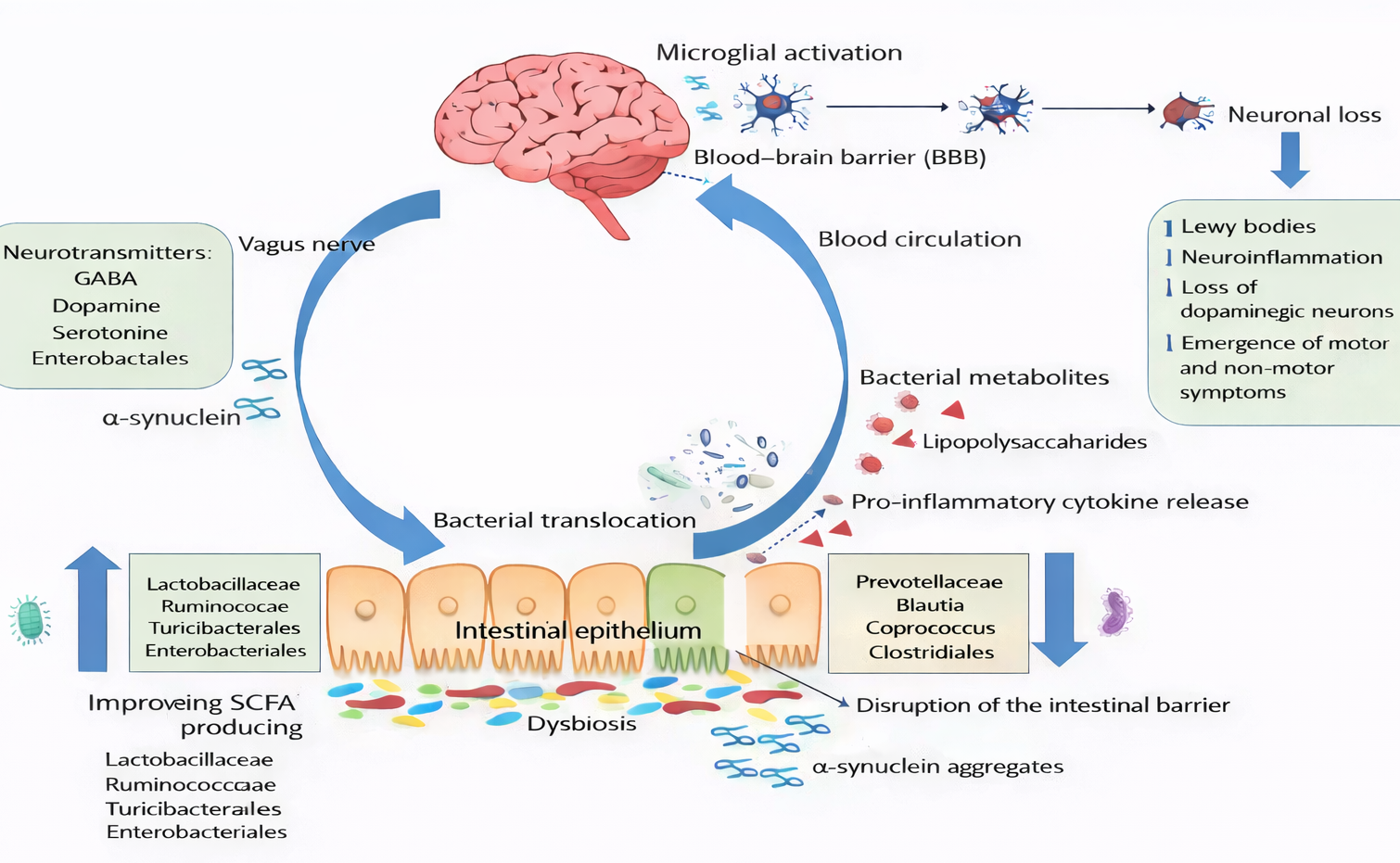
Fig 1. Gut dysbiosis and neurodegeneration in PD
To cite this abstract in AMA style:
H. Harifi. Intestinal Dysbiosis in Parkinson’s Disease: Mechanisms, Clinical Implications, and Therapeutic Perspectives (2015–2025) [abstract]. Mov Disord. 2026; 41 (suppl 1). https://www.mdsabstracts.org/abstract/intestinal-dysbiosis-in-parkinsons-disease-mechanisms-clinical-implications-and-therapeutic-perspectives-2015-2025/. Accessed October 1, 2026.« Back to 2026 International Congress
MDS Abstracts - https://www.mdsabstracts.org/abstract/intestinal-dysbiosis-in-parkinsons-disease-mechanisms-clinical-implications-and-therapeutic-perspectives-2015-2025/