
Objective: To characterize long-term motor outcomes and emergence of parkinsonian symptoms after 15 years of bilateral globus pallidus internus deep brain stimulation (GPi-DBS) in isolated generalized dystonia.
Background: GPi-DBS is an established treatment for isolated generalized dystonia, with documented efficacy up to 10 years. Parkinsonian features — including hypokinetic gait and freezing of gait (FoG) — have been sporadically reported but never systematically assessed in long-term generalized dystonia cohorts.
Method: Seventeen of 22 patients from the SPIDY cohort (prospectively followed at 1 and 3 years) were reassessed at 15 years post-surgery. Dystonia severity was rated using the Burke–Fahn–Marsden Dystonia Rating Scale (BFMDRS) by a blinded evaluator. A clinically meaningful response was defined as ≥25% BFMDRS motor score improvement from baseline. Parkinsonism was assessed with the MDS-UPDRS Part III and a composite axial score; FoG was evaluated by both clinical examination and self-report questionnaire.
Results: At 15 years, mean BFMDRS motor scores (41.2±25.1) did not differ from baseline (46.9±20.9; p=0.404), while disability scores remained improved (9.6±4.8 vs 11.9±5.6; p=0.042). Sustained motor benefit (≥25% improvement) was achieved in 41% of patients; the remaining 59% experienced a progressive loss of therapeutic benefit over time, seven of whom had motor scores exceeding their preoperative baseline [figure 1]. No preoperative variable predicted long-term response trajectory. Parkinsonian signs were present in 94% of patients (mean MDS-UPDRS III 11.1±6.2), with predominantly axial involvement: gait (94%), postural stability (75%), and speech (69%). FoG was reported by 67% on questionnaire but detected on examination in only 20% (p<0.001). Baseline dystonia severity was the strongest predictor of axial parkinsonism (R=0.858, p<0.001). Stimulation pulse width showed a trend toward higher axial scores (R=0.487, p=0.077). Younger age at disease onset was independently associated with worse gait impairment at 15 years (R=−0.59, p=0.015).
Conclusion: Axial parkinsonism is a frequent and functionally relevant long-term complication of GPi-DBS in generalized dystonia. FoG is systematically underdetected by clinical examination alone. Baseline severity is the main predictor of axial vulnerability. Routine self-report FoG screening and pulse width optimization should be integrated into long-term follow-up protocols.
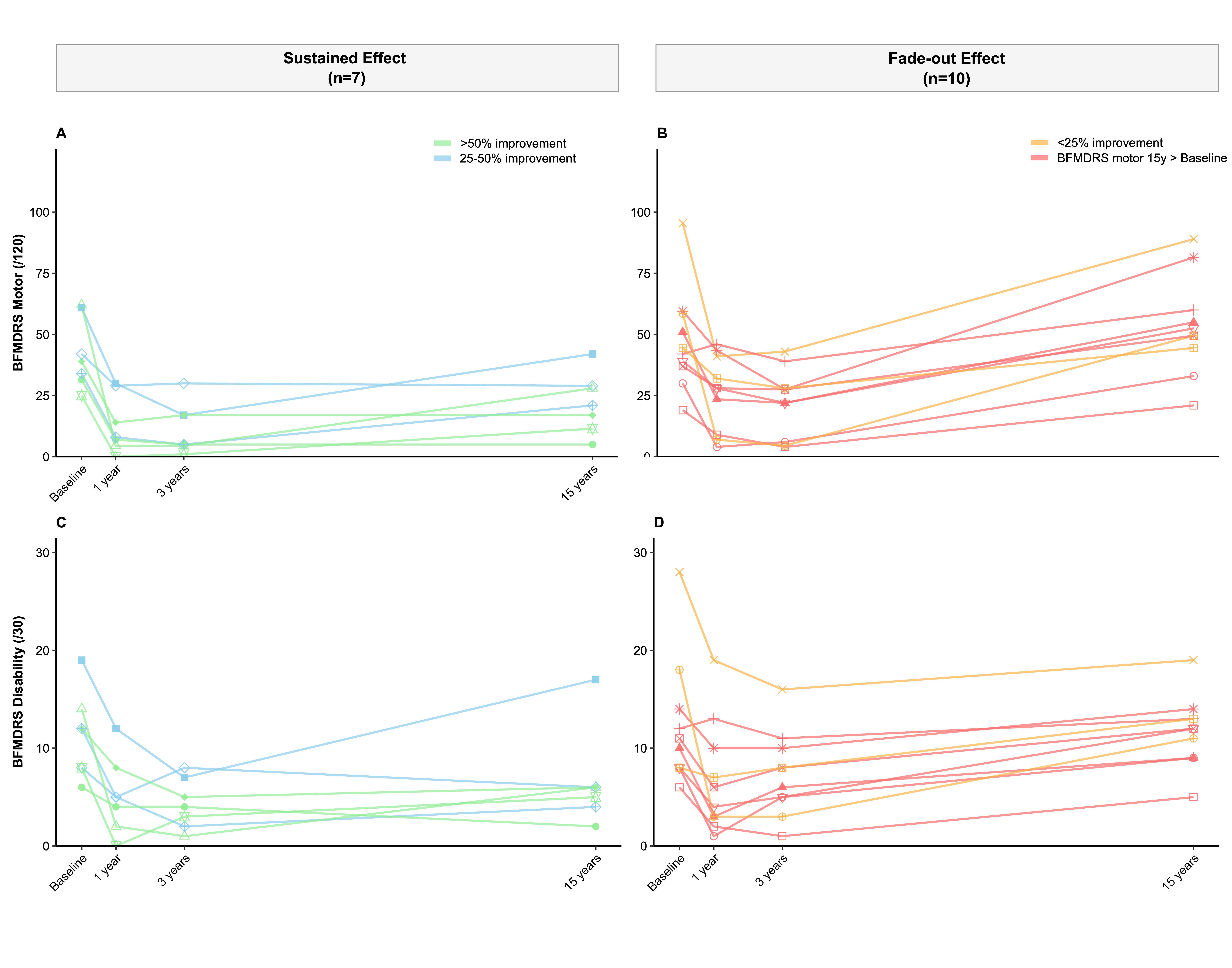
Figure 1. Long-term individuals trajectories.
To cite this abstract in AMA style:
C. Desjardins, C. Bonnet, E. Moro, D. Grabli, V. Fraix, ML. Welter, S. Navarro, C. Karachi, S. Raoul, M. Guibourd, E. Cuny, S. Chabardes, P. Burbaud, D. Guehl, P. Derkinderen, M. Vidailhet. Axial parkinsonism after 15 years of pallidal stimulation in generalized dystonia [abstract]. Mov Disord. 2026; 41 (suppl 1). https://www.mdsabstracts.org/abstract/axial-parkinsonism-after-15-years-of-pallidal-stimulation-in-generalized-dystonia/. Accessed October 1, 2026.« Back to 2026 International Congress
MDS Abstracts - https://www.mdsabstracts.org/abstract/axial-parkinsonism-after-15-years-of-pallidal-stimulation-in-generalized-dystonia/