
Objective: To develop an interpretable machine-learning model to predict freezing of gait (FOG) and identify Parkinson’s disease (PD) patients most likely to benefit from physical therapy (PT).
Background: FOG is associated with falls, impaired balance, and reduced functional independence. Response to PT is heterogeneous. Gait dysfunction in PD reflects interactions among disease severity, executive dysfunction, and impaired gait automaticity, suggesting distinct clinical–functional phenotypes. Digital biomarkers and explainable machine learning may support individualized rehabilitation. [1–3]
Method: In this prospective cohort study, 50 PD patients underwent clinical and cognitive assessments including disease duration, levodopa equivalent daily dose (LEDD), Hoehn and Yahr stage (H&Y), UPDRS, MMSE, and MoCA. Freezing, balance, and falls were evaluated before and after intervention. Patients with and without FOG were compared [table1]. Logistic regression, XGBoost, and random forest models predicted observed freezing status (OC_Freeze=1) using an 8:2 split with 5-fold cross-validation. Performance was assessed using ROC analysis [figure1], and interpretability using SHAP [figure2, figure3]. Risk probabilities stratified patients according to potential PT responsiveness [table2].
Results: FOG patients had longer disease duration, higher LEDD, more advanced H&Y stage, higher UPDRS scores, worse freezing severity, poorer balance, and more pre-intervention falls (all p<0.05) [table1]. They were more frequently allocated to PT, reflecting clinical prioritization of higher-burden patients. Despite worse baseline status, change scores after intervention were similar between groups, indicating preserved rehabilitation responsiveness. Logistic regression showed acceptable discrimination (AUC=0.74) and outperformed other models [figure1]. SHAP identified PT allocation, disease severity, medication load, and cognitive profile as major contributors to freezing risk [figure2]. Risk stratification identified patients with high predicted freezing probability and high potential to benefit from PT [table2, figure3].
Conclusion: FOG reflects greater gait burden but does not preclude rehabilitation benefit. An interpretable logistic-regression model enables clinically relevant risk stratification to identify high-potential PT responders, supporting precision rehabilitation in PD.
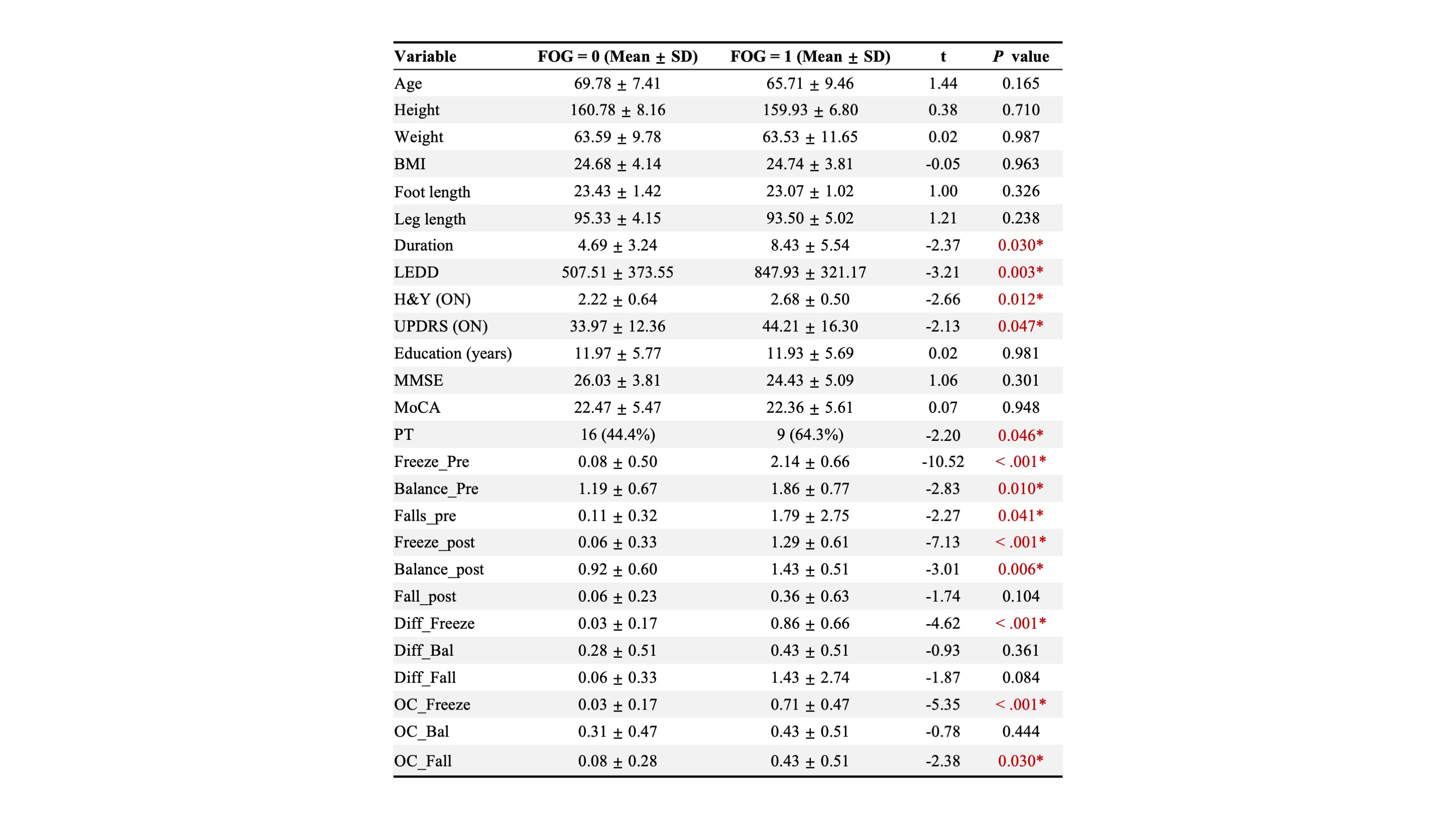
Table1. Clinical features by freezing status
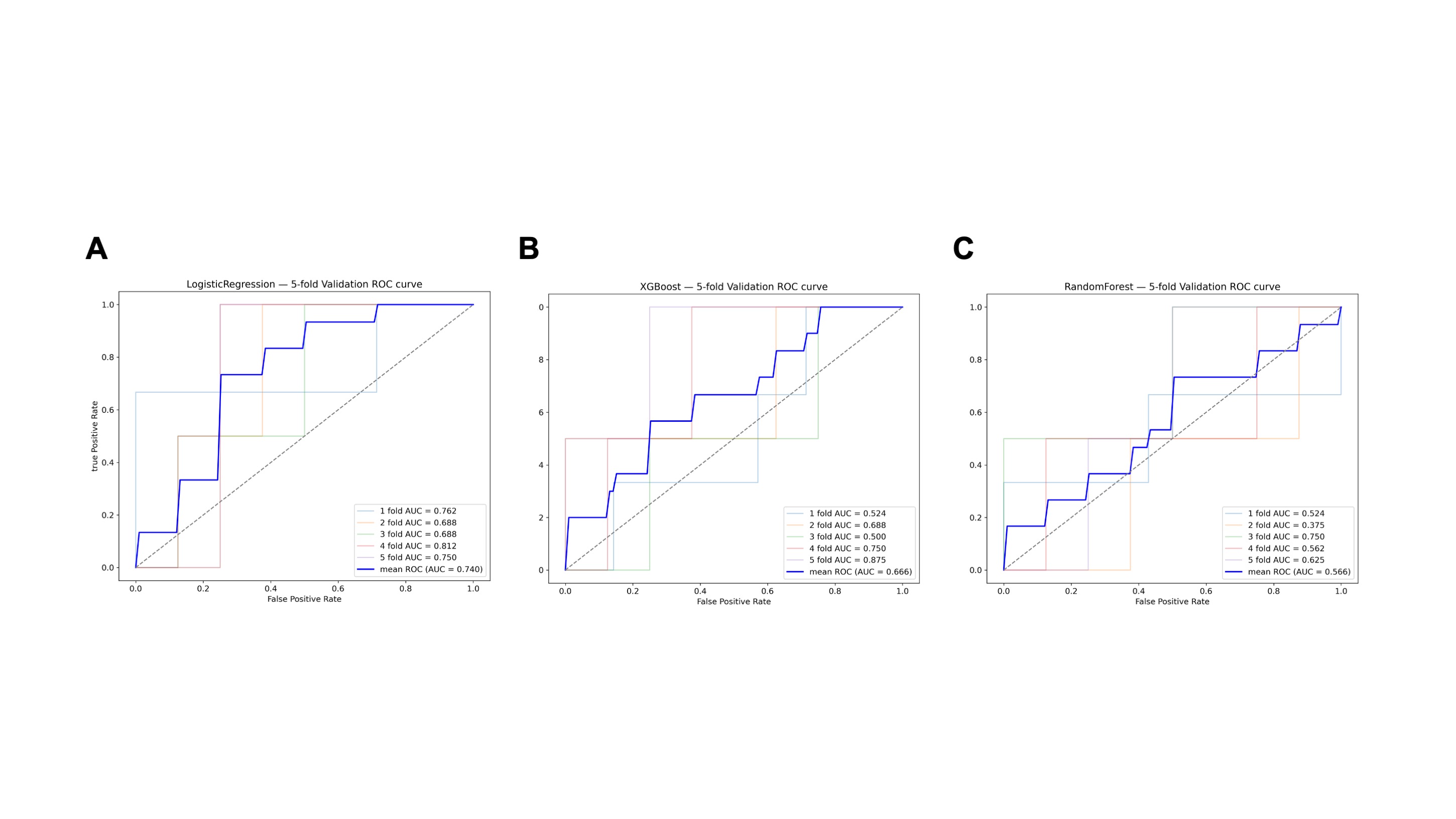
Figure1. ROC comparison
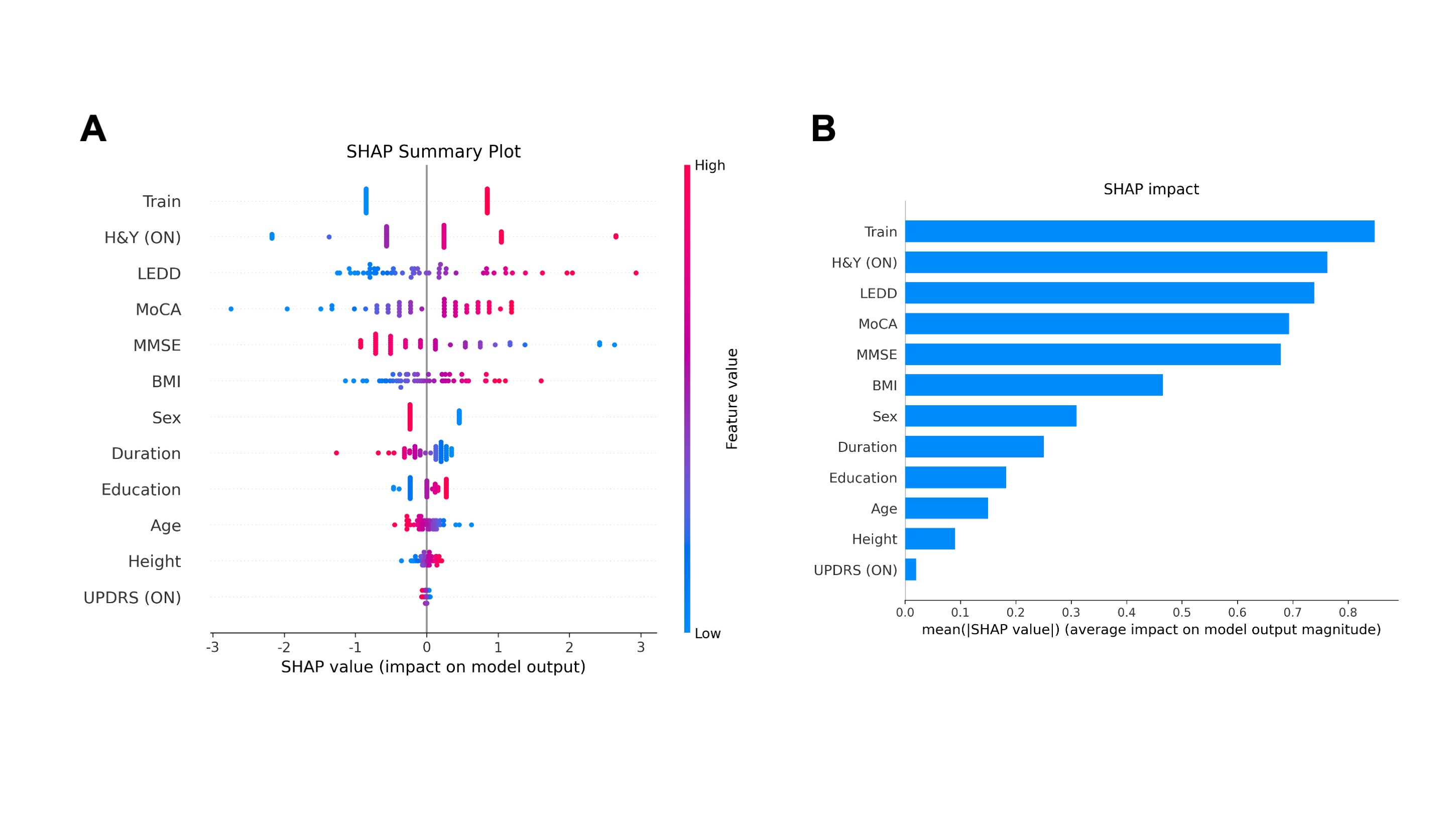
Figure2. SHAP feature importance
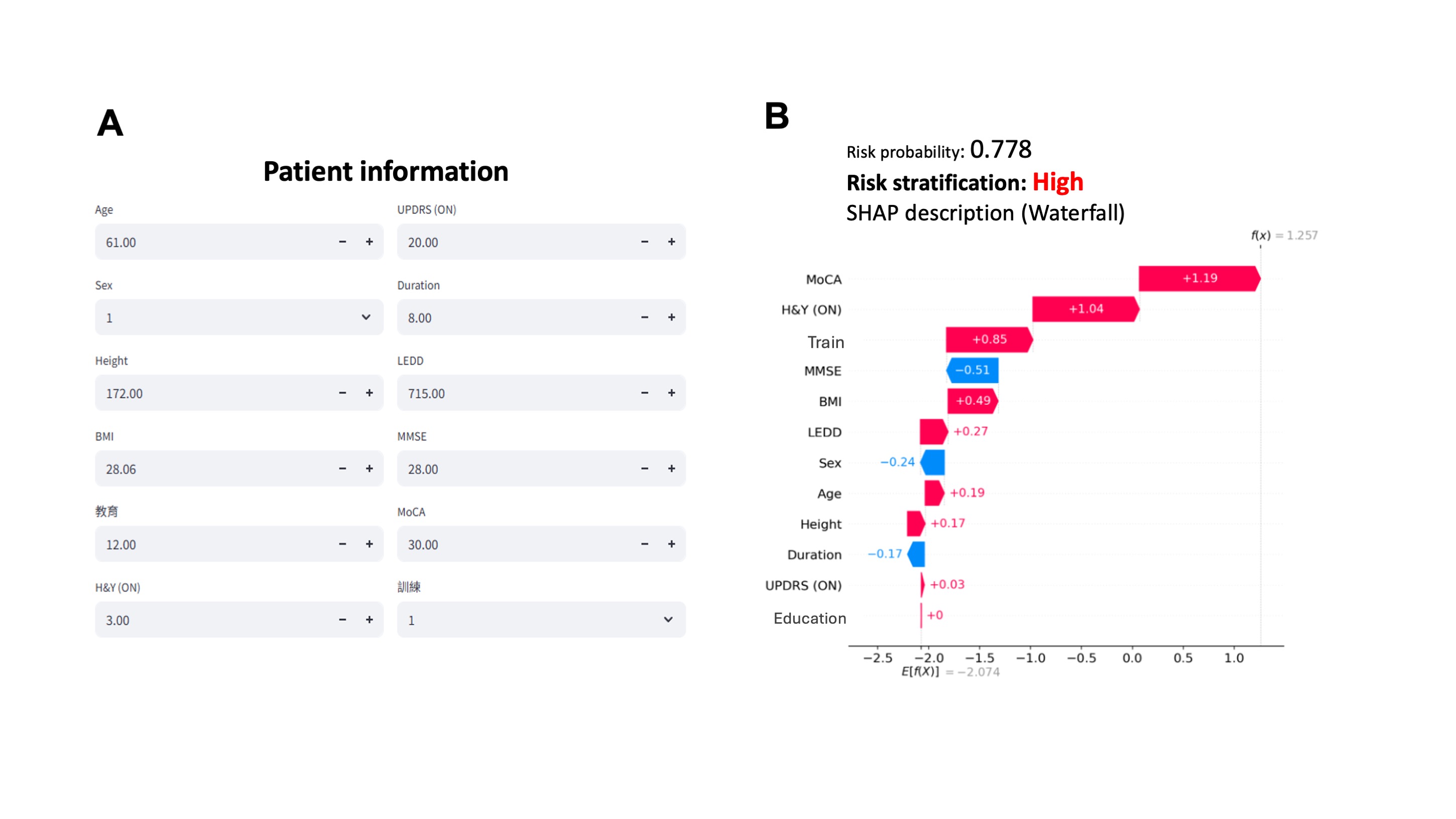
Figure3. Individual risk estimation
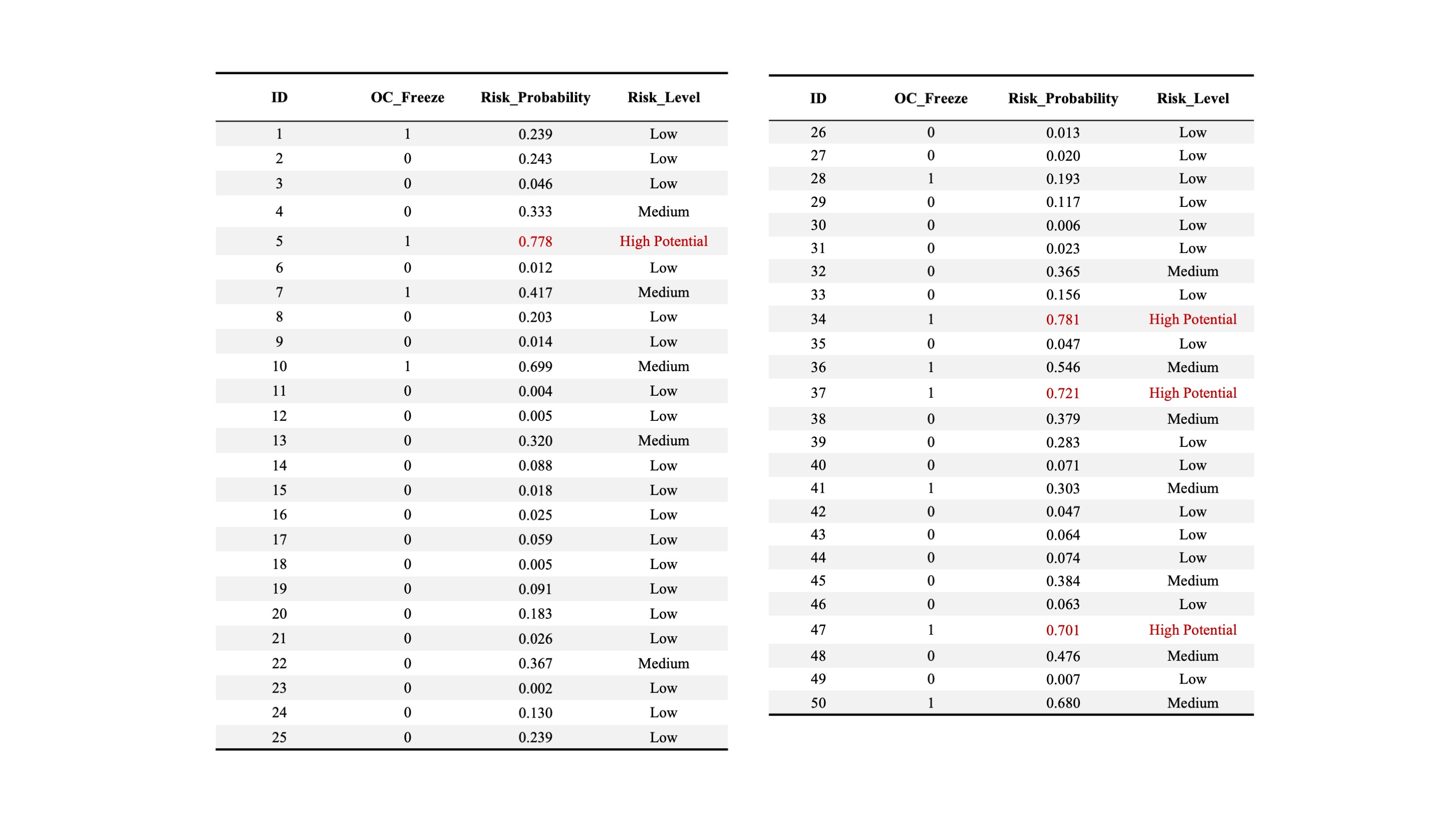
Table2. Predicted freezing risk stratification
References: [1] Pardoel S et al. Machine learning for freezing of gait detection and prediction in Parkinson’s disease. npj Digit Med. 2021.
[2] Nonnekes J & Nieuwboer A. Towards personalized rehabilitation for gait impairments in Parkinson’s disease. Nat Rev Neurol. 2018.
[3] Del Din S et al. Free-living monitoring of Parkinson’s disease using wearable sensors. Mov Disord. 2016.
To cite this abstract in AMA style:
T-L. Lee, C-Y. Chien, C-C. Lin. Explainable Machine-Learning Risk Stratification to Identify High-Potential Physical Therapy Responders with Freezing of Gait in Parkinson’s Disease [abstract]. Mov Disord. 2026; 41 (suppl 1). https://www.mdsabstracts.org/abstract/explainable-machine-learning-risk-stratification-to-identify-high-potential-physical-therapy-responders-with-freezing-of-gait-in-parkinsons-disease/. Accessed October 1, 2026.« Back to 2026 International Congress
MDS Abstracts - https://www.mdsabstracts.org/abstract/explainable-machine-learning-risk-stratification-to-identify-high-potential-physical-therapy-responders-with-freezing-of-gait-in-parkinsons-disease/