
Objective: This study aims to investigate the associations between biological age accelerations (BAA) and the risk of Parkinson’s disease (PD), and assesses the joint effect of genetic factors and BAA on PD susceptibility.
Background: Age is the most important risk factor for PD. Accelerated biological ageing is recognized as a major risk factor for age-related diseases, but its role in the pathogenesis of PD remains unclear.
Method: This study included 351,280 participants from the UK Biobank, a prospective longitudinal study. Biological age (BA) was calculated by Klemera-Doubal method age (KDMAge) and phenotypic age (PhenoAge). BAA was defined as the residuals from regressing each BA measure on chronological age. We performed cross-sectional and prospective analyses in the UK Biobank to assess the associations of BAA with prevalent and incident PD, using logistic regression and Cox proportional hazards models, respectively. Polygenic risk scores were used to establish genetic susceptibility to PD and to analyses the joint effect between BAA and genetic risk of PD.
Results: In the cross-sectional analyses, individuals in the highest quartile of BAA had a significantly higher risk of prevalent PD compared to those in the lowest quartile, with odds ratios of 3.36 (95% CI: 1.60 – 7.06, p = 0.0014) for KDMAge acceleration and 1.37 (95% CI: 1.03 – 1.81, p = 0.028) for PhenoAge acceleration. In the prospective analyses, only PhenoAge acceleration demonstrated a significant association with incident PD. Specifically, participants in the highest quartile had a hazard ratio of 1.21 (95% CI: 1.05 – 1.39, p = 0.008) compared to those in the lowest quartile. Among participants with a high genetic predisposition to PD, BAA was associated with an increased risk of PD. Furthermore, we observed significant joint effects of BAA and genetic risk on PD.
Conclusion: BAA could increase the risk of PD, especially among individual with a high genetic risk. Only PhenoAge acceleration specifically predicts PD incidence, and has the potential to be a key biomarker to identify at-risk individuals for early intervention.
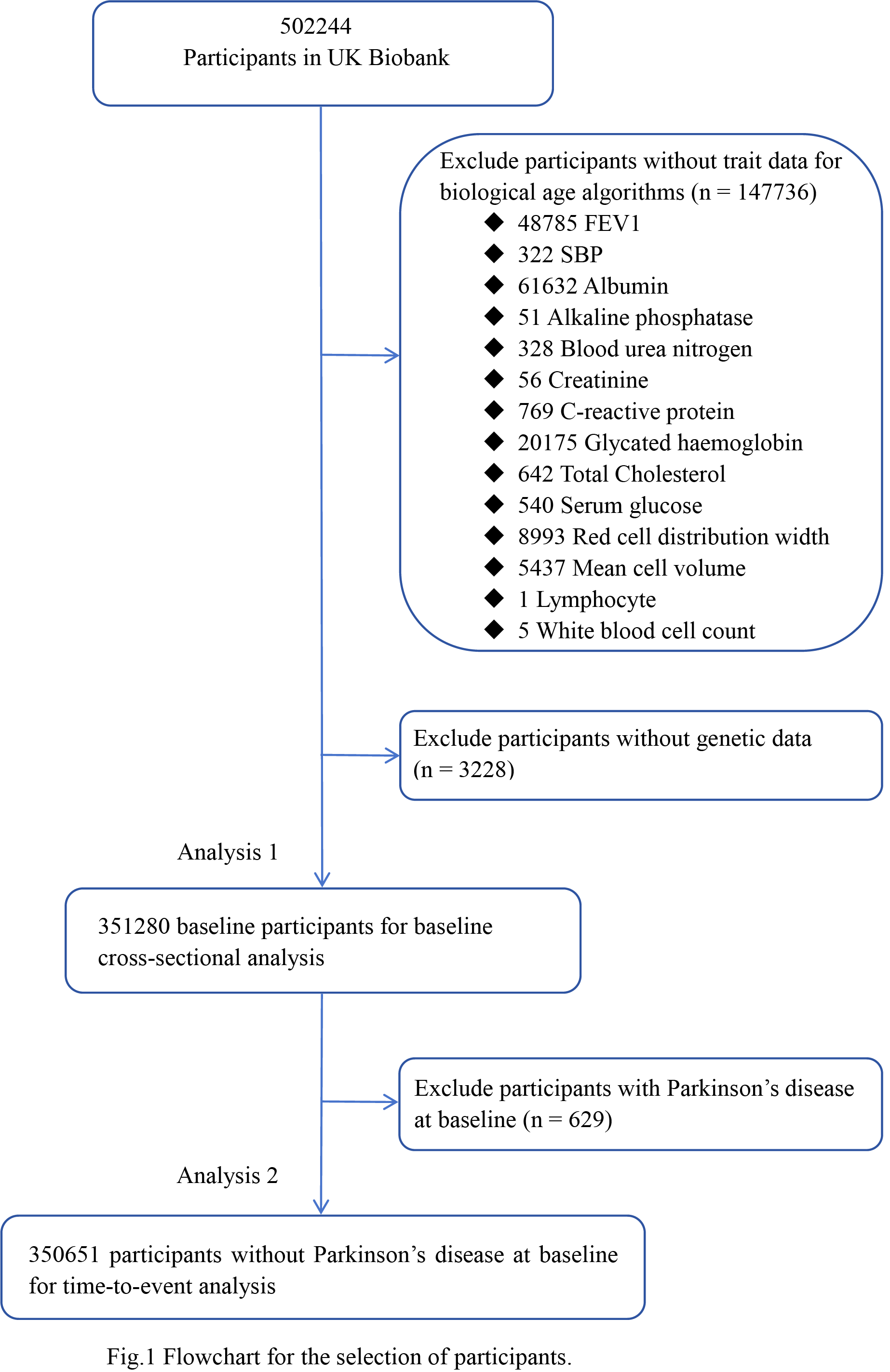
Fig1
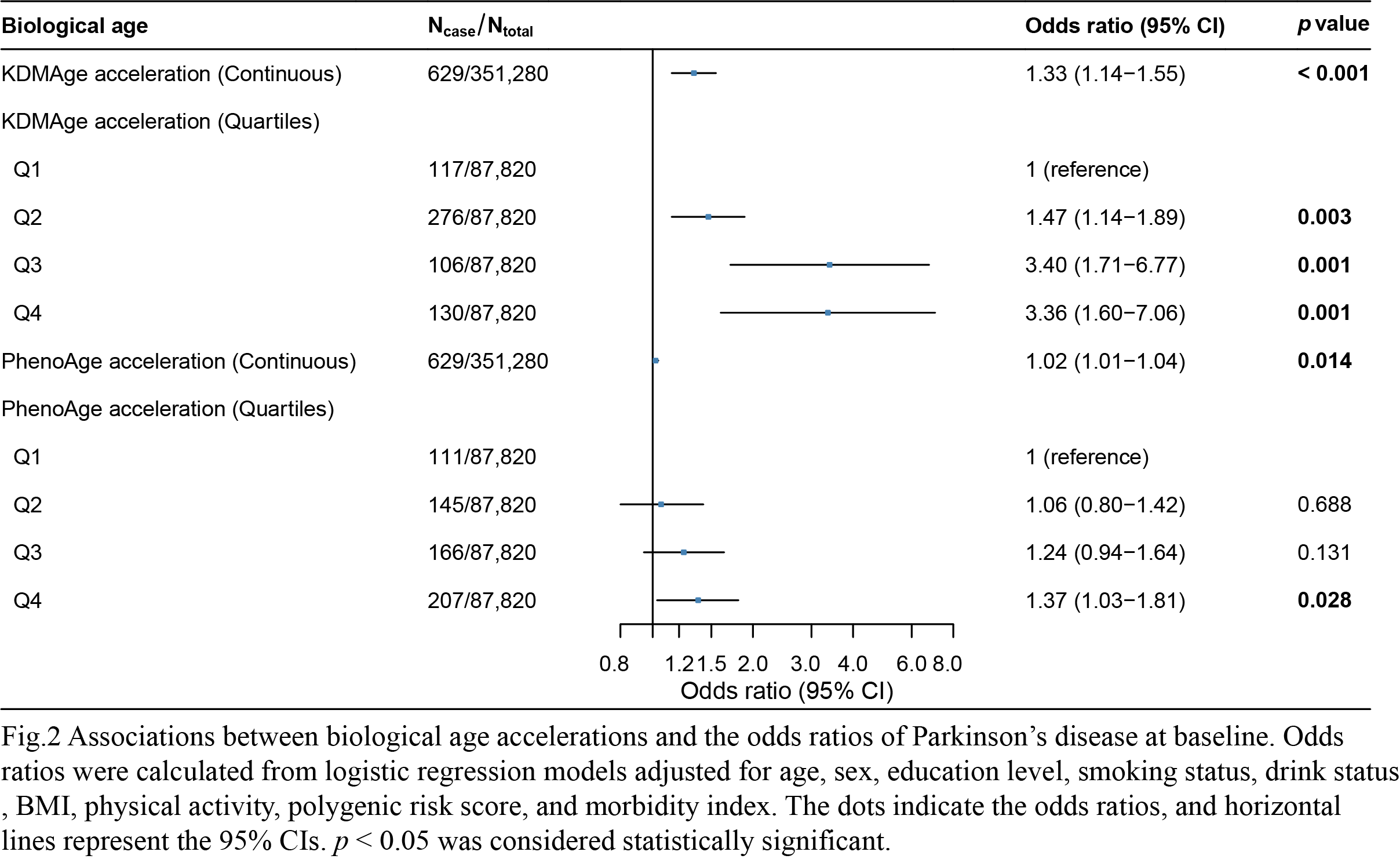
Fig2
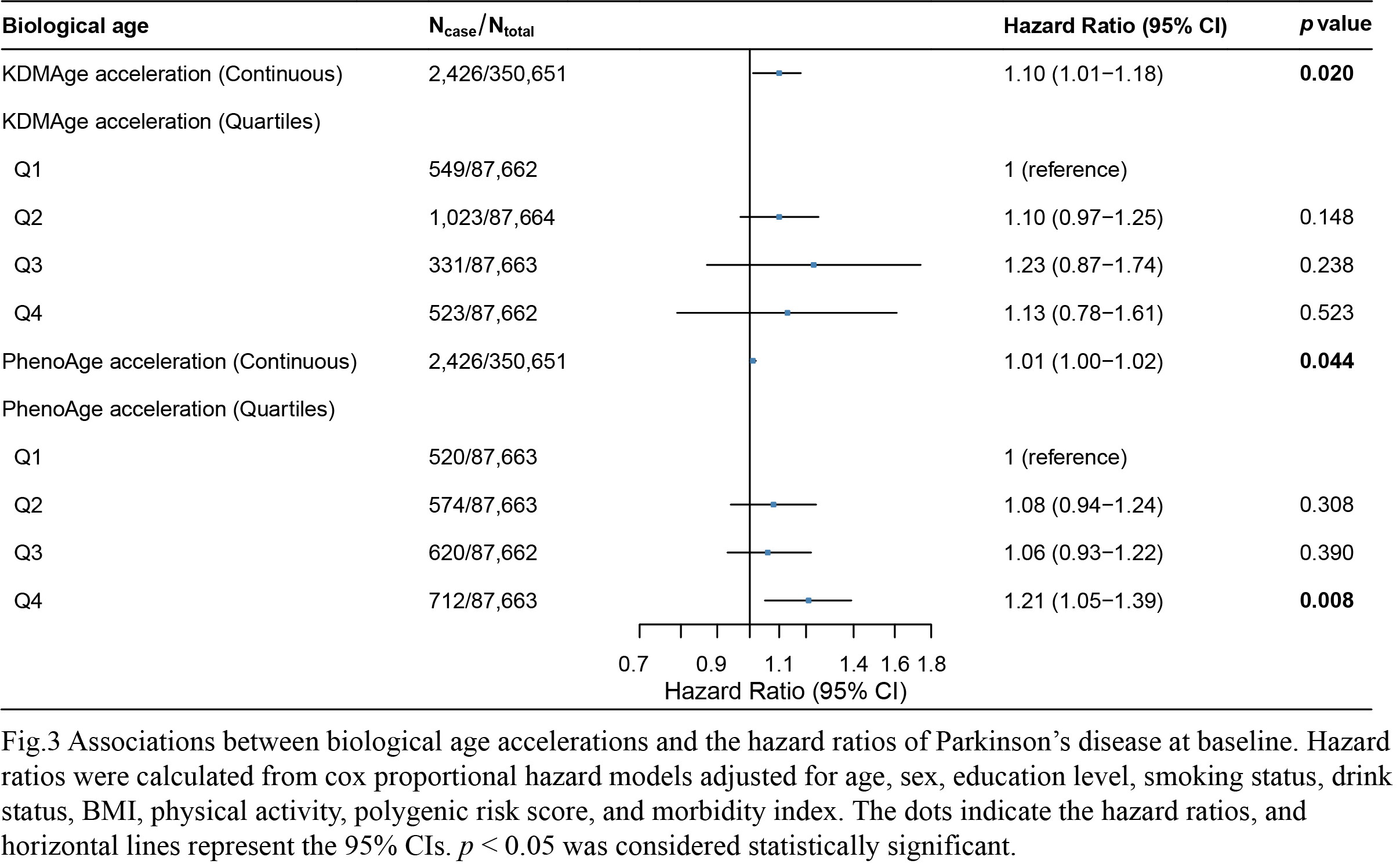
Fig3
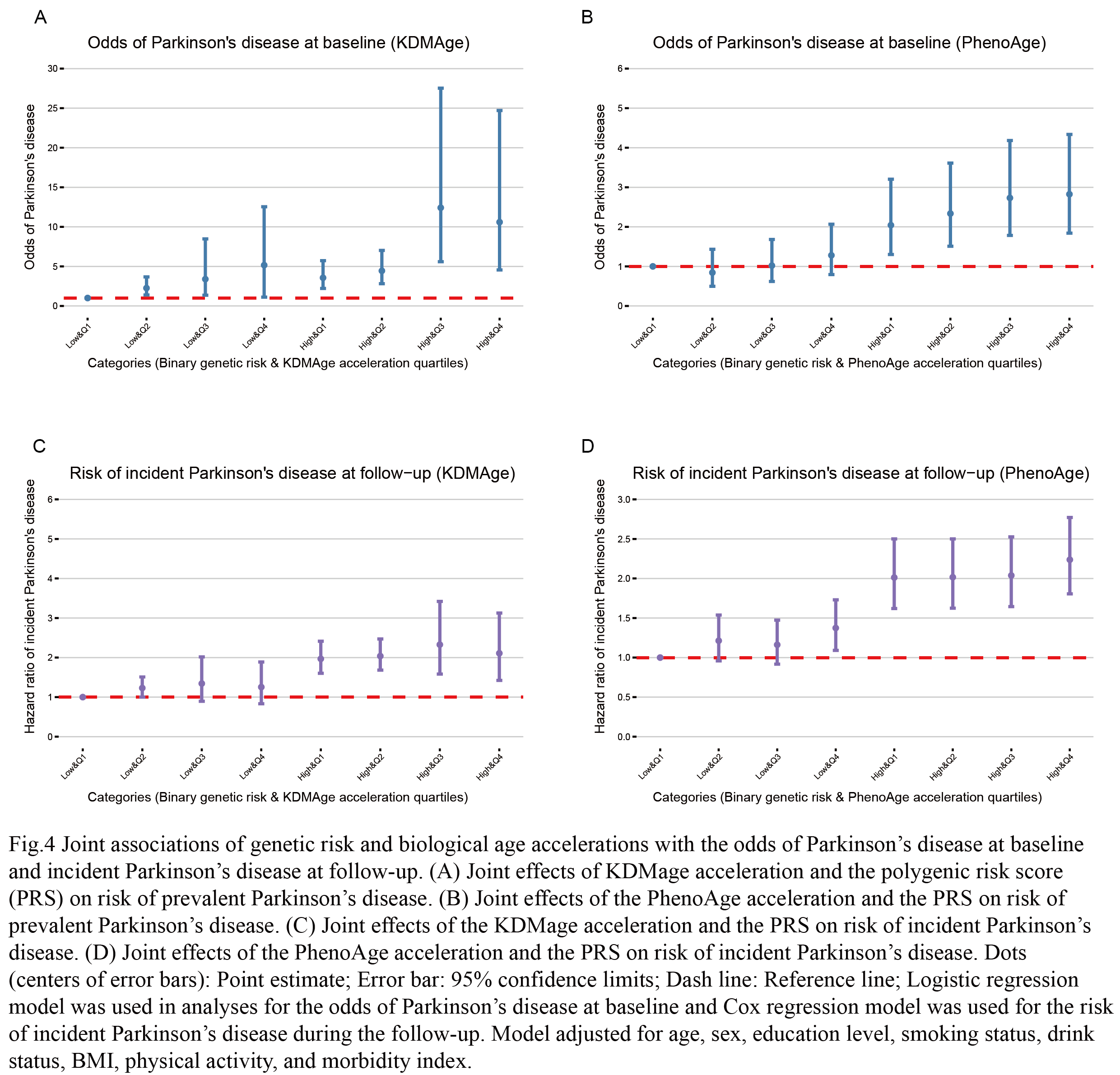
Fig4
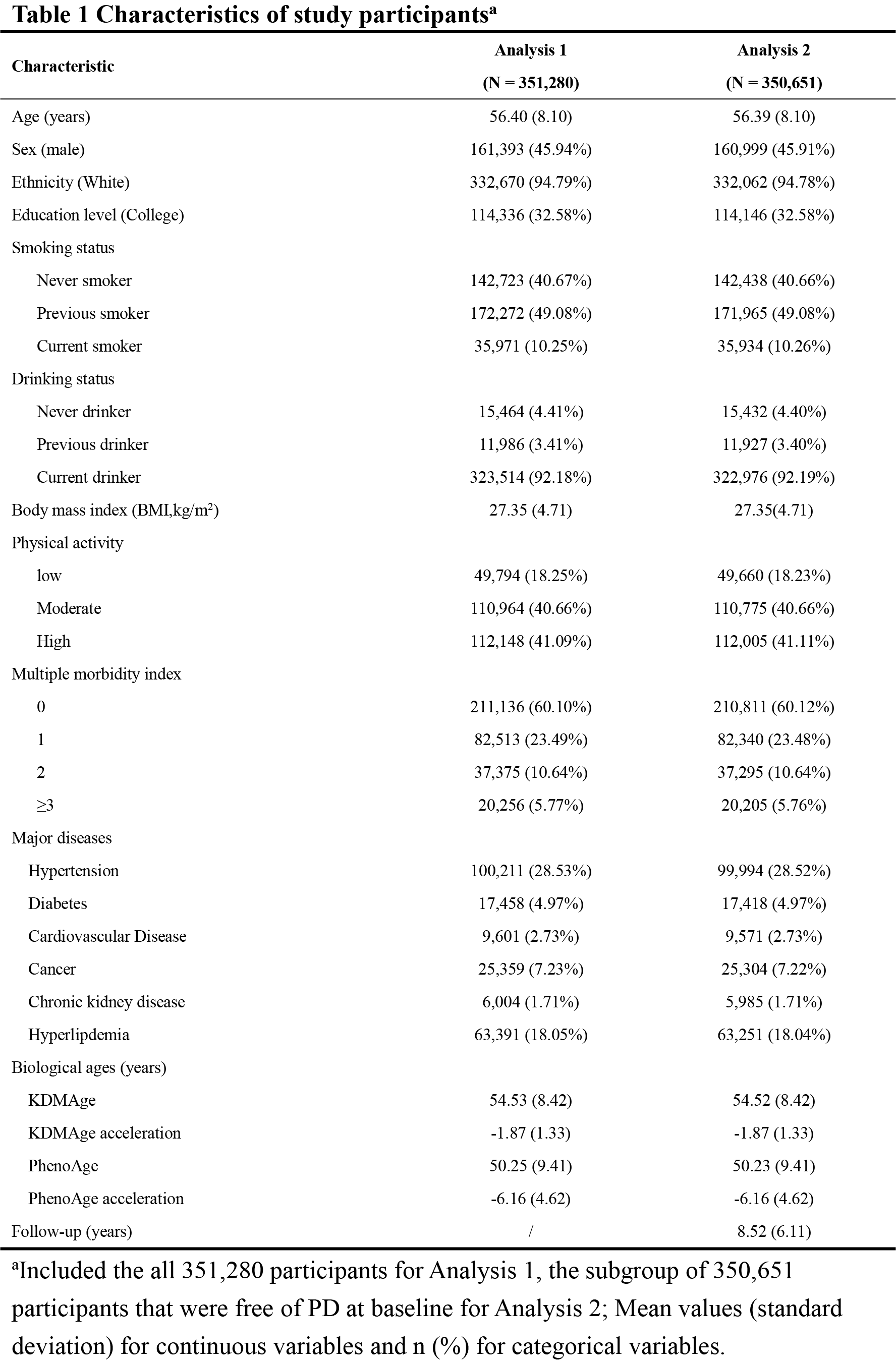
Table 1
To cite this abstract in AMA style:
L. Luo, M. Wang, T. Ai, Q. Zheng, W. Wu, Y. Wang, T. Wu, Y. Pan, D. Zhang. Associations of Accelerated Biological Aging With Parkinson’s Disease [abstract]. Mov Disord. 2026; 41 (suppl 1). https://www.mdsabstracts.org/abstract/associations-of-accelerated-biological-aging-with-parkinsons-disease/. Accessed October 1, 2026.« Back to 2026 International Congress
MDS Abstracts - https://www.mdsabstracts.org/abstract/associations-of-accelerated-biological-aging-with-parkinsons-disease/