
Objective: To assess clinical characteristics and pain phenotypes in PD patients with different types of chronic pain, to assess the severity of central sensitization and quality of life, and to identify clinical and psychometric predictors of pain.
Background: Pain is one of the most significant non-motor symptoms of Parkinson’s disease (PD), affecting 40-80% of patients. It may be directly related to PD motor complications or be secondary to comorbid conditions, including arthropathies. Despite its high prevalence, the pathophysiology and therapeutic approaches to chronic pain in PD remain insufficiently studied.
Method: 90 PD patients without cognitive impairment (MoCA>25), diagnosed according to the MDS 2015 criteria, were enrolled, males-62, females-58. Patients divided on 3 groups: PD-related chronic pain due to painful off-period dystonia and peak-dose dyskinesias (n=30), PD patients with primary arthropathies (n=30) and PD patients without pain as a control group (n=30), table 1. All patients were assessed using UPDRS scale, Hoehn and Yahr staging, the McGill Pain Questionnaire (MPQ), Visual Analogue Scale (VAS), Central Sensitization Inventory (CSI), Hospital Anxiety and Depression Scale (HADS), and the SF-36 Health Survey.
Results: Patients in PD-related pain group demonstrated greater disease severity, higher UPDRS scores (including Part IV), and more advanced Hoehn and Yahr stages (p<0,001) (Table 2). Subclinical anxiety was identified in both pain groups comparing with control group (p<0,001) (Table 3). Arthropathy-related pain showed greater phenotypic diversity according to MPQ (detailed descriptors and corresponding indices are presented in figure 1). Clinically significant central sensitization was predominantly observed in patients with PD-related pain (p<0,001) (Table 4). Quality of life scores, particularly in the psychological health domain, were significantly lower in this group (p<0,001) (Table 3).
Conclusion: PD-related pain is associated with greater disease severity, motor complications, central sensitization, and a marked reduction in quality of life. Arthropathy-related pain is characterized by greater variability of pain phenotypes. These findings highlight the need for a comprehensive, pathophysiology-oriented approach to the assessment and management of pain in PD.
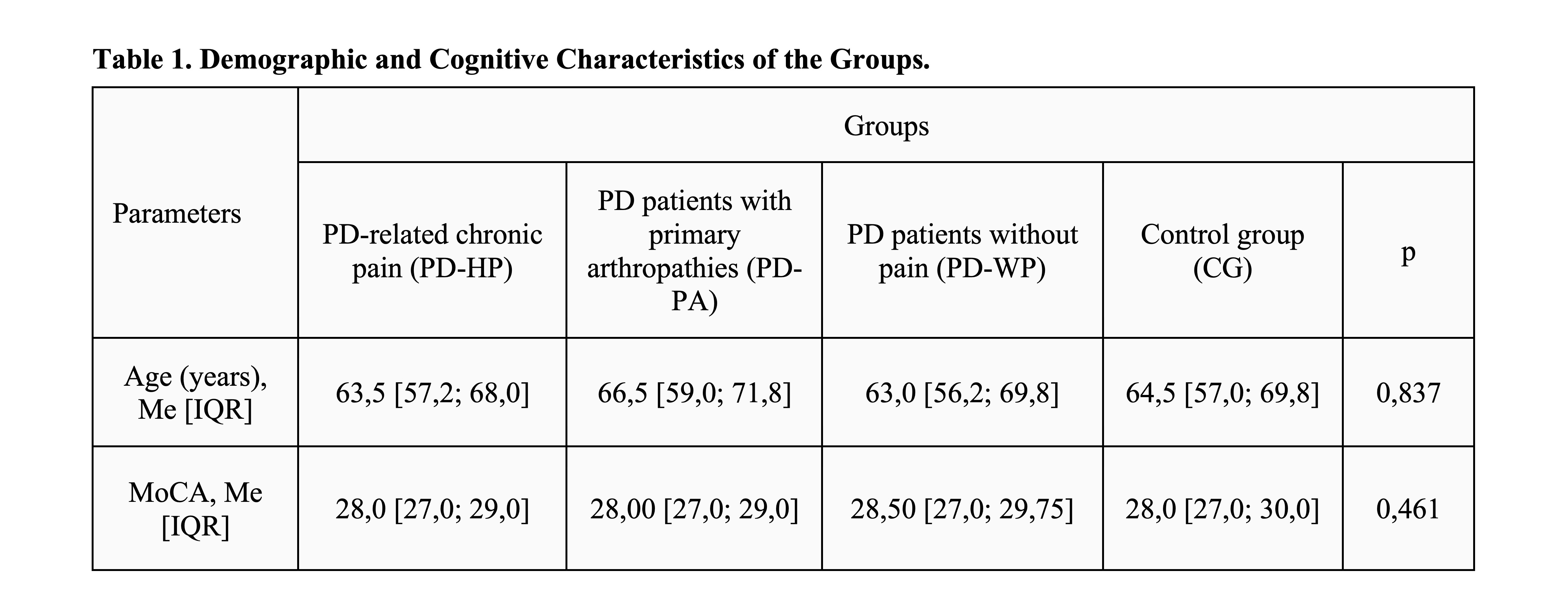
Tab 1. Demographic and Cognitive Characteristics
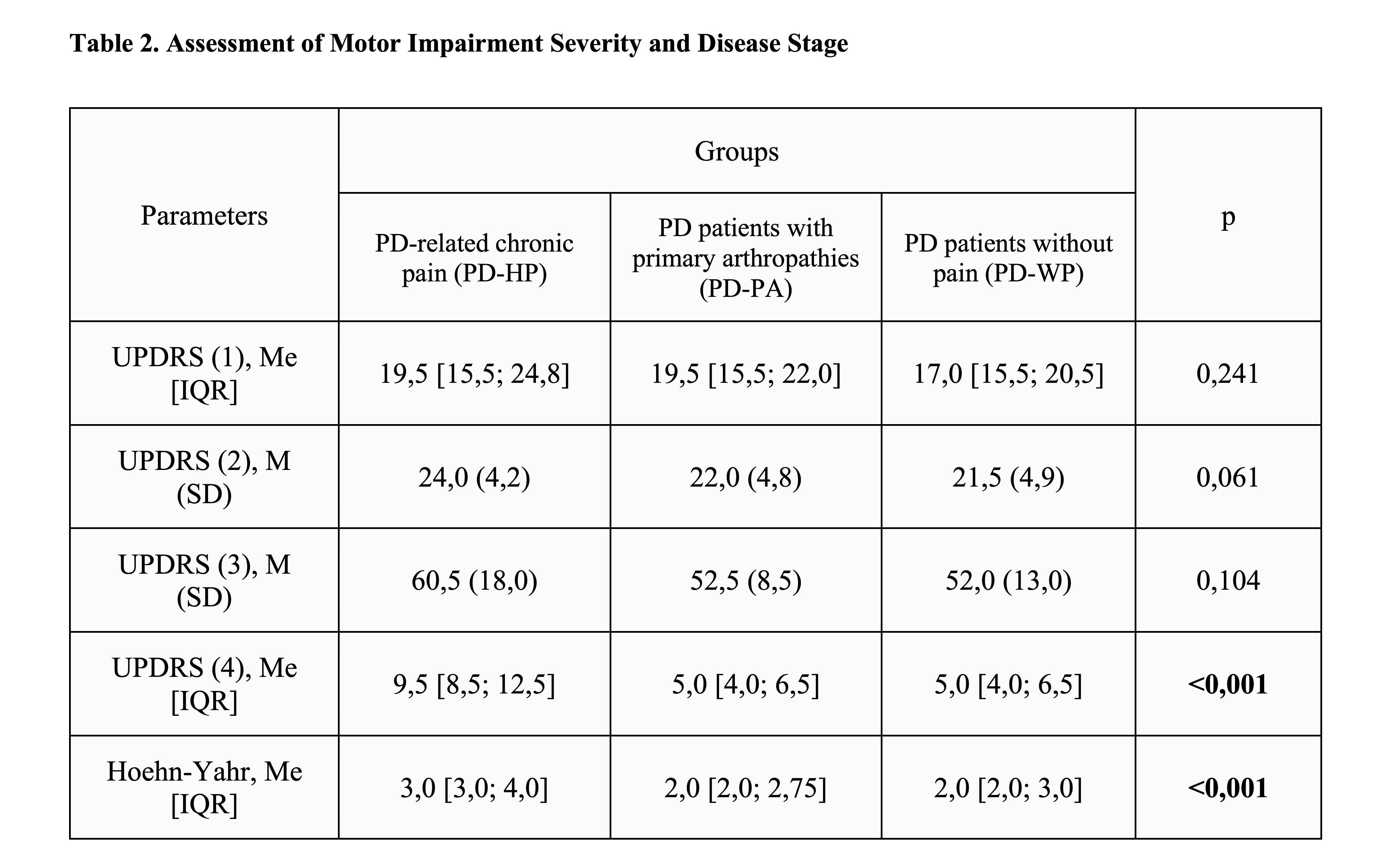
Tab 2. Motor Impairment Severity
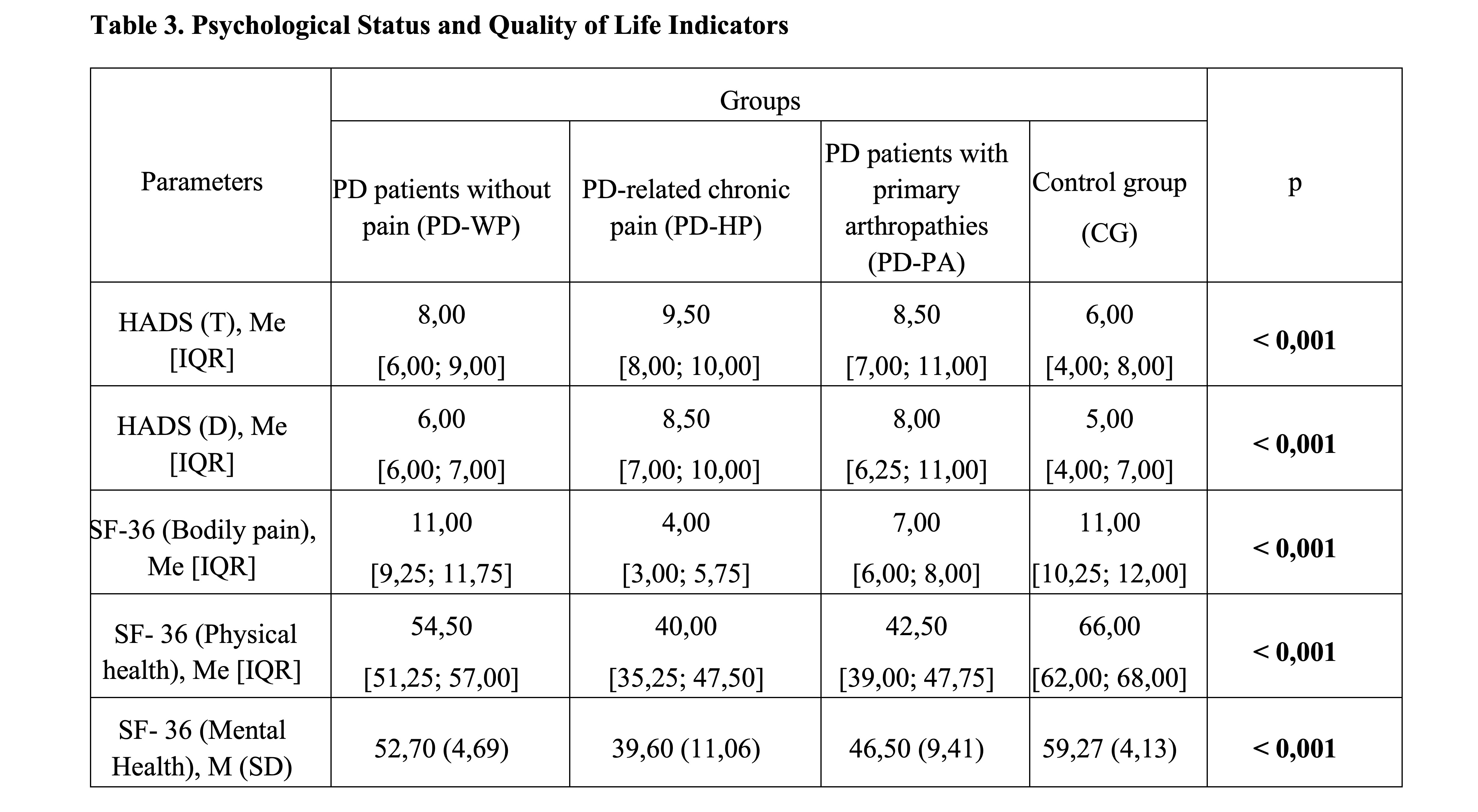
Tab 3. Psychological Status and Quality of Life
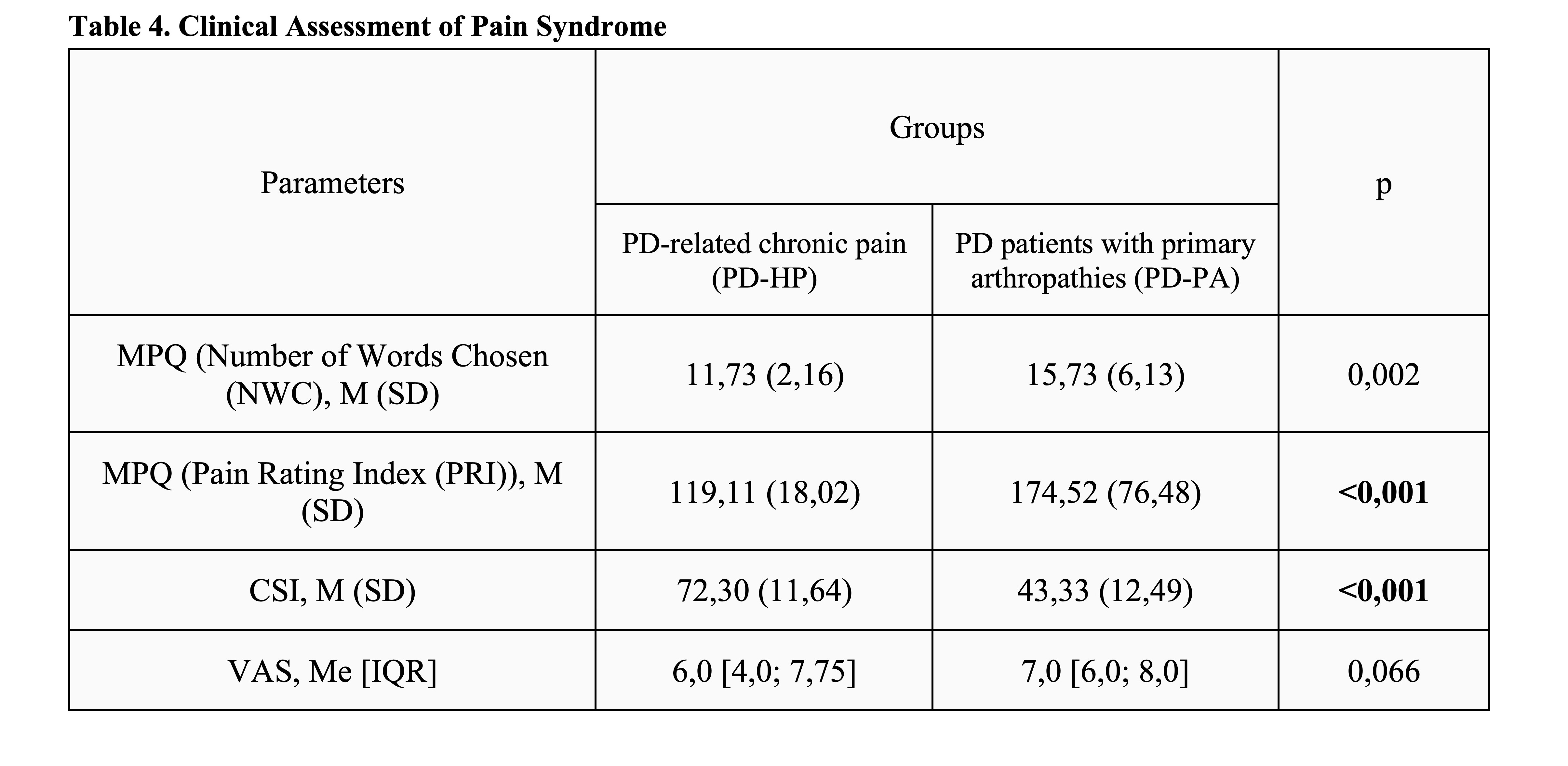
Tab 4. Clinical Assessment of Pain Syndrome
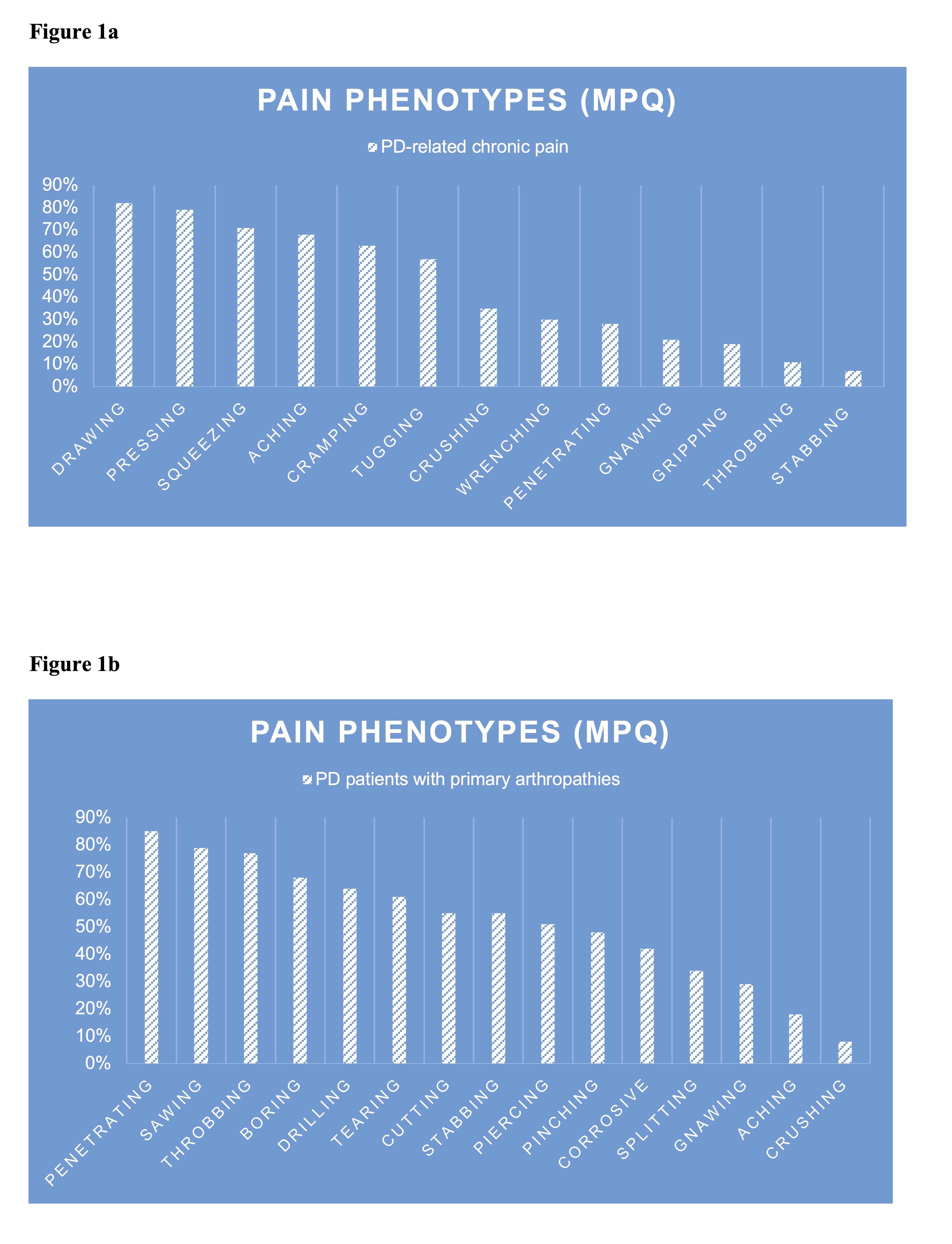
Fig 1. Pain Phenotypes.
To cite this abstract in AMA style:
B. Alieva, Y. Shpilyukova. Clinical and Psychophysiological Characteristics of Chronic Pain in Parkinson’s Disease: Pain Phenotypes, Central Sensitization, and Quality of Life [abstract]. Mov Disord. 2026; 41 (suppl 1). https://www.mdsabstracts.org/abstract/clinical-and-psychophysiological-characteristics-of-chronic-pain-in-parkinsons-disease-pain-phenotypes-central-sensitization-and-quality-of-life/. Accessed October 1, 2026.« Back to 2026 International Congress
MDS Abstracts - https://www.mdsabstracts.org/abstract/clinical-and-psychophysiological-characteristics-of-chronic-pain-in-parkinsons-disease-pain-phenotypes-central-sensitization-and-quality-of-life/