
Category: Patient Perspectives
Objective: To explore knowledge gaps and awareness of PD, belief in genetic determination, concerns, and group-specific factors, for making a decision to participate in a genetic study in Thailand.
Background: Genetic studies are fundamental to elucidating disease risk, phenotypic characterization, progression in Parkinson’s disease (PD), and the risk of conversion to PD in the prodromal phase. Factors influencing individuals’ decisions to participate in genetic studies remain insufficiently explored, particularly among the prodromal populations and those without clinical symptoms but having a positive family history.
Method: In this pilot study , 30 participants with 15 prodomal group (at least one of REM behavioral disorders, constipation, hyposmia, or depression) and 15 controls with positive family history of PD were recruited. Subjects completed a 5-point scale questionnaire reflecting different aspects of factors, including group-specific factors, which were different in the prodromal and control groups (Fig 1). Spearman’s rank correlation was used to assess relationships between factors, while Partial Least Squares Structural Equation Modeling (PLS-SEM) was used to evaluate relationships within the models.
Results: Social influence was identified as the primary factor significantly associated with the intention across all groups (Fig 2 and Table 1) (β overall=0.98, Prodomal=0.96, Control = 1.02). Of all social influencing factors, physicians’ recommendations were the greatest determinant (λ = 0.95). In the prodromal group, concerns about specific symptoms significantly predicted perceived personal benefits of participating (β = 0.83). Among family history-positive controls, having affected relatives was strongly correlated with participation decisions (r = 0.86).Small sample multicollinearity (β>1) warrants cautious interpretation.
Conclusion: Our preliminary study demonstrated that the factors influencing participation differed between the prodromal individuals and family history-positive controls with PD. Prodromal participants were motivated by the need for a genetic explanation of their prodromal symptoms, while the controls were driven by risk awareness of future disease conversion, derived from witnessing functional decline in affected family members. Future studies with larger samples are required.
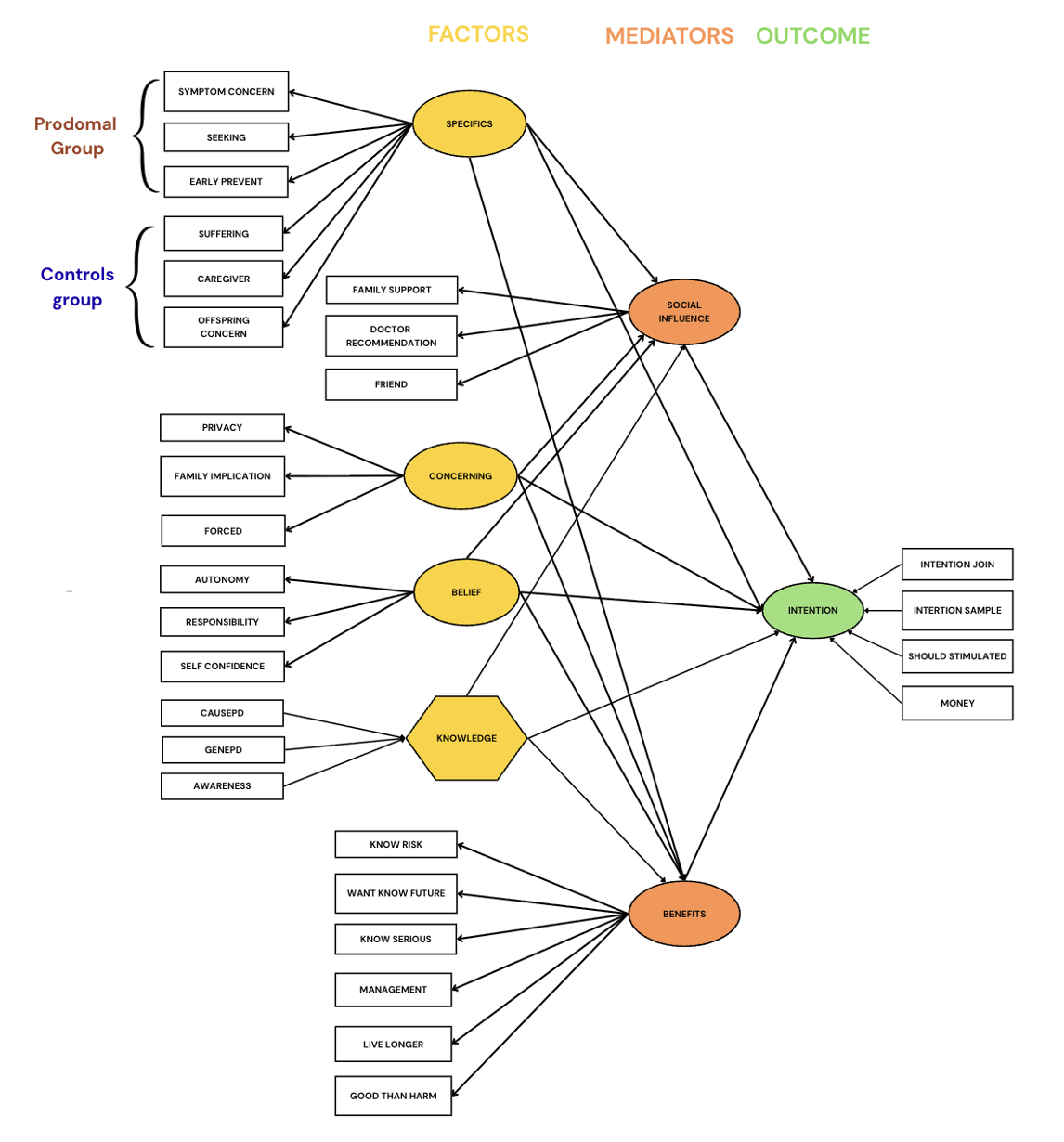
Fig 1: The conceptual framework in genetic studies
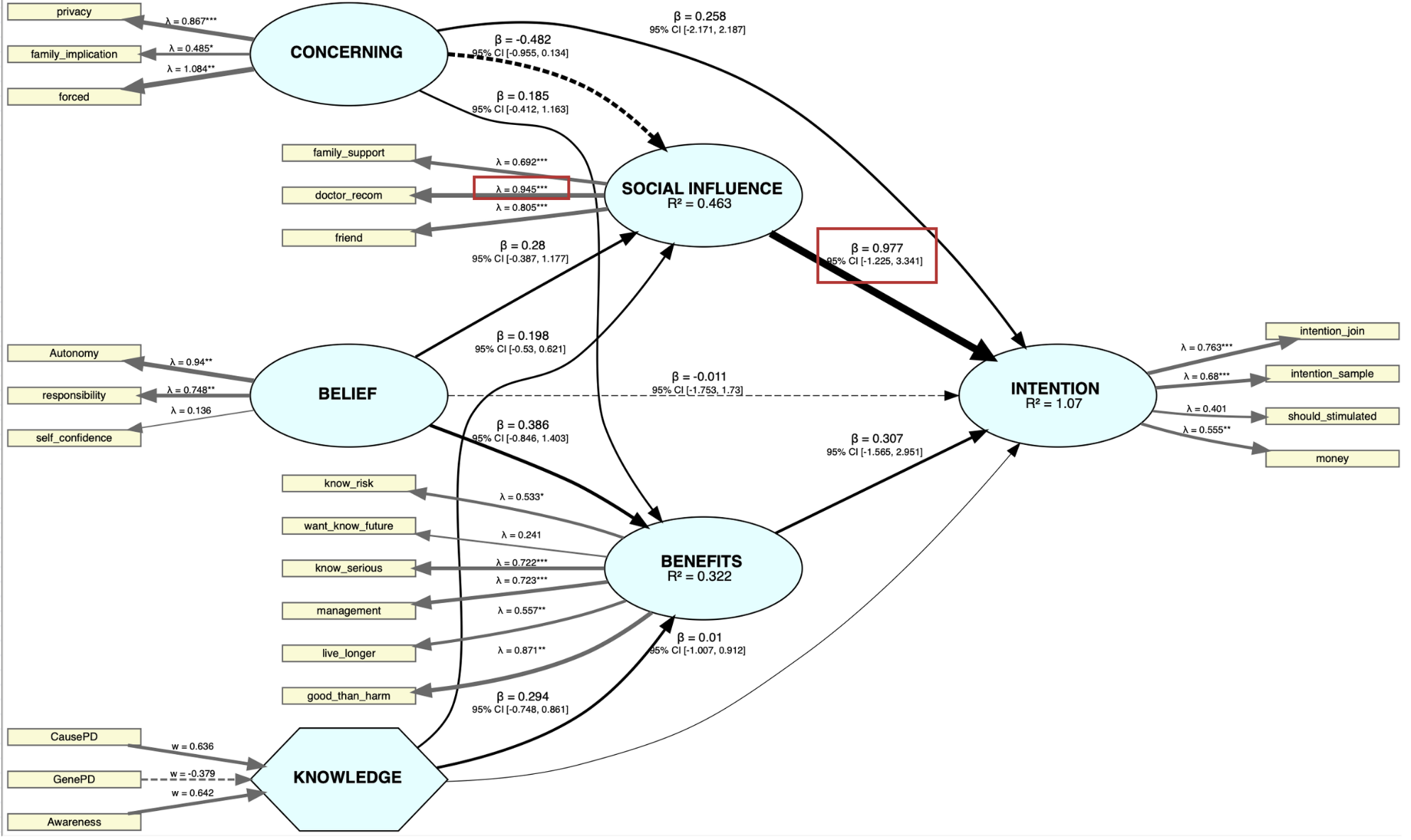
Fig 2: The PLS-SEM for participation intent.
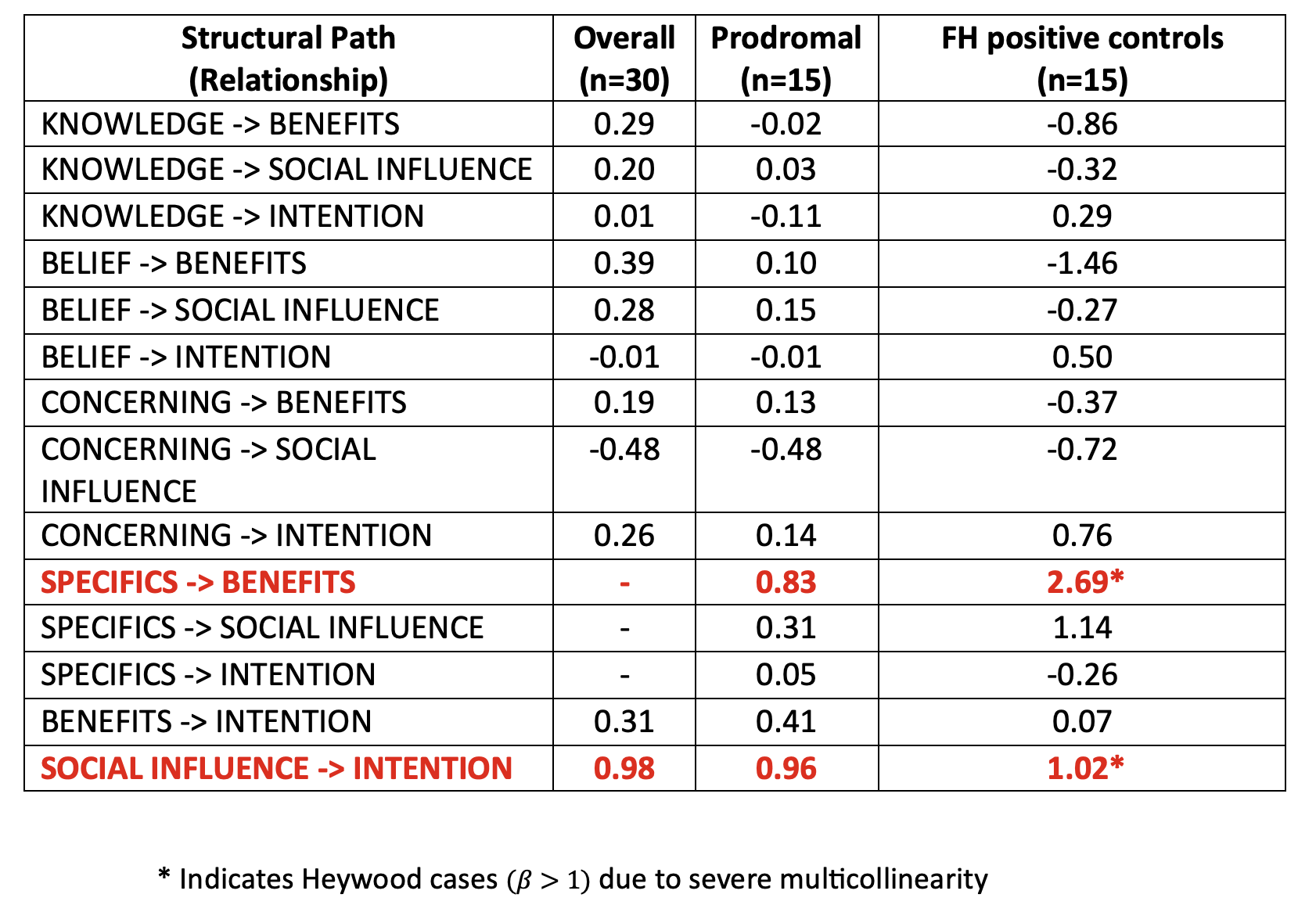
Table 1: Path coefficients (β) by cohort.
To cite this abstract in AMA style:
K. Horaruengdecha, J. Sringean, S. Maytharakcheep, R. Bhidayasiri, P. Panyakaew. Factors Influencing Participation in Genetic Testing Among Prodromal and Family History Positive Controls in Parkinson’s Disease Genetic Cohort in Thailand [abstract]. Mov Disord. 2026; 41 (suppl 1). https://www.mdsabstracts.org/abstract/factors-influencing-participation-in-genetic-testing-among-prodromal-and-family-history-positive-controls-in-parkinsons-disease-genetic-cohort-in-thailand/. Accessed October 1, 2026.« Back to 2026 International Congress
MDS Abstracts - https://www.mdsabstracts.org/abstract/factors-influencing-participation-in-genetic-testing-among-prodromal-and-family-history-positive-controls-in-parkinsons-disease-genetic-cohort-in-thailand/