
Category: Parkinson's disease: Neuroimaging
Objective: To evaluate whether a fluorodeoxyglucose positron emission tomography (FDG-PET) machine learning (ML) framework can be extended to differentiate Parkinson’s disease (PD) from other neurodegenerative disorders, including dementia with Lewy bodies (DLB).
Background: Accurate and timely diagnosis of parkinsonism is of paramount therapeutic and prognostic importance; yet even at specialized centers, clinicopathologic discordance rates of 15–24% persist due to phenotypic overlap between PD and other neurodegenerative disorders [1]. StateViewer is a validated FDG-PET ML framework that differentiates nine neurodegenerative phenotypes using a neighbor-matching algorithm applied to metabolic pattern similarity (N=3,671; overall AUC 0.93 ± 0.02, sensitivity 0.89 ± 0.03) [2]. PD was not included in the original model despite its clinical importance and phenotypic overlap with other neurodegenerative disorders.
Method: We identified 58 patients with Parkinson’s disease meeting MDS criteria who underwent FDG-PET at Mayo Clinic between 2004-2024 [3]. Mean age at PET scan was 52.2 years (SD 13.8); 37/58 (64%) had early-onset PD (EOPD). Levodopa therapy was used in 98% of patients; 72% were on levodopa at the time of FDG-PET acquisition. Median time from symptom onset to PET was 3.2 years (IQR 1.7–5.0); median time from diagnosis to PET was 0.8 years (IQR 0.3–2.4). PD cases were analyzed using the k-nearest neighbor model in the ML framework alongside the original nine phenotypes. Primary performance metrics were assessed using receiver operating characteristic analysis, sensitivity, precision, and discovery rate.
Results: Area under the receiver operating characteristic curve exceeded 0.90 for most classes, and was 0.85 for PD. Overall model sensitivity was 0.87. Sensitivity exceeded 0.90 for 4 of 9 original classes and was 0.70 for PD. The most common off-target label was cognitively unimpaired cases, followed by DLB. Graphical representation of the k-NN model showed distinctive segregation of PD from other classes, including DLB and PSP.
Conclusion: Parkinson’s disease segregates distinctively from the original nine neurodegenerative phenotypes. The StateViewer ML framework could therefore be applied in phenotypically challenging cases to differentiate PD from DLB and other neurodegenerative disorders. The current model showed limited ability to differentiate PD from cognitively unimpaired individuals.
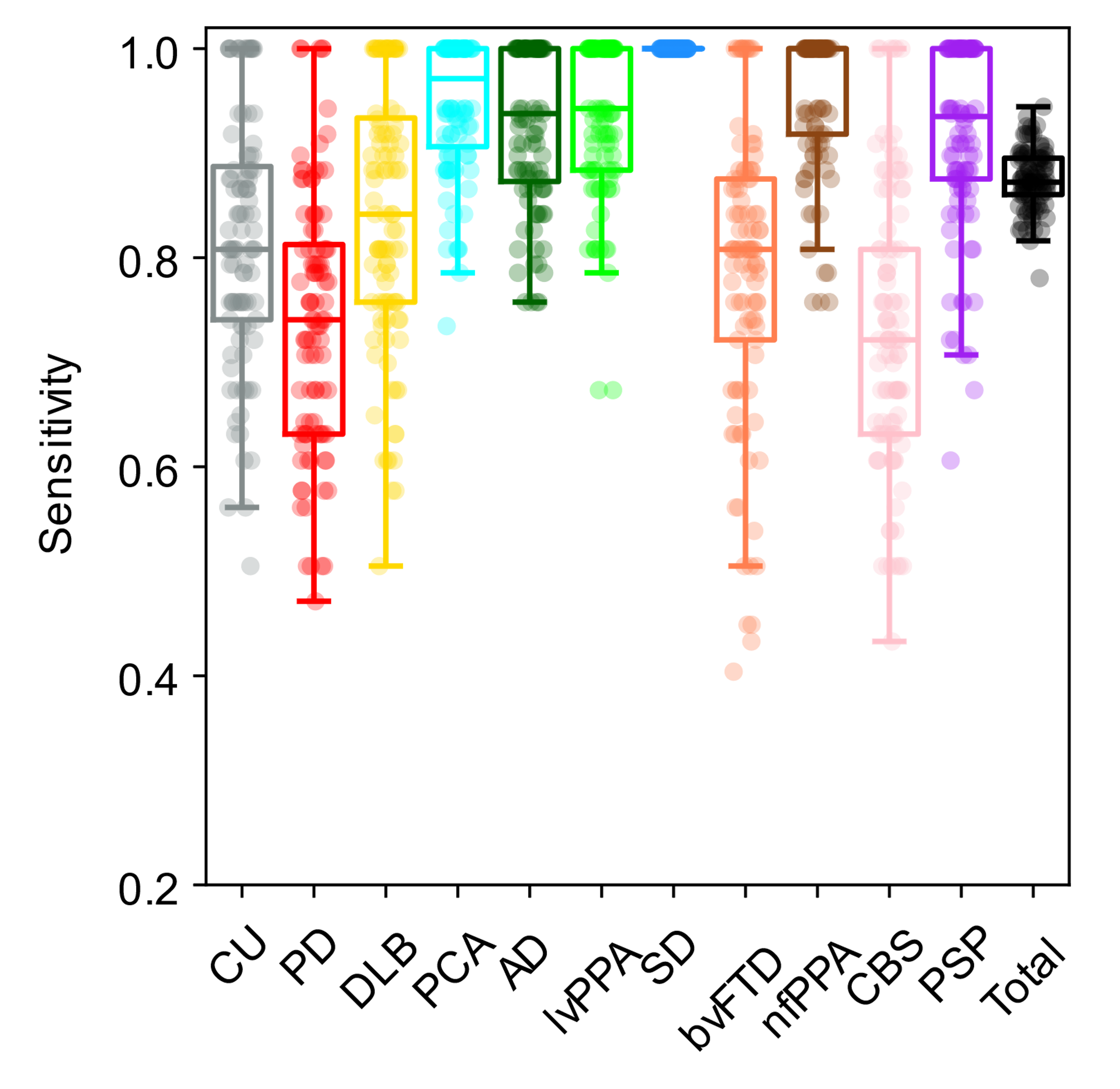
Model sensitivity.
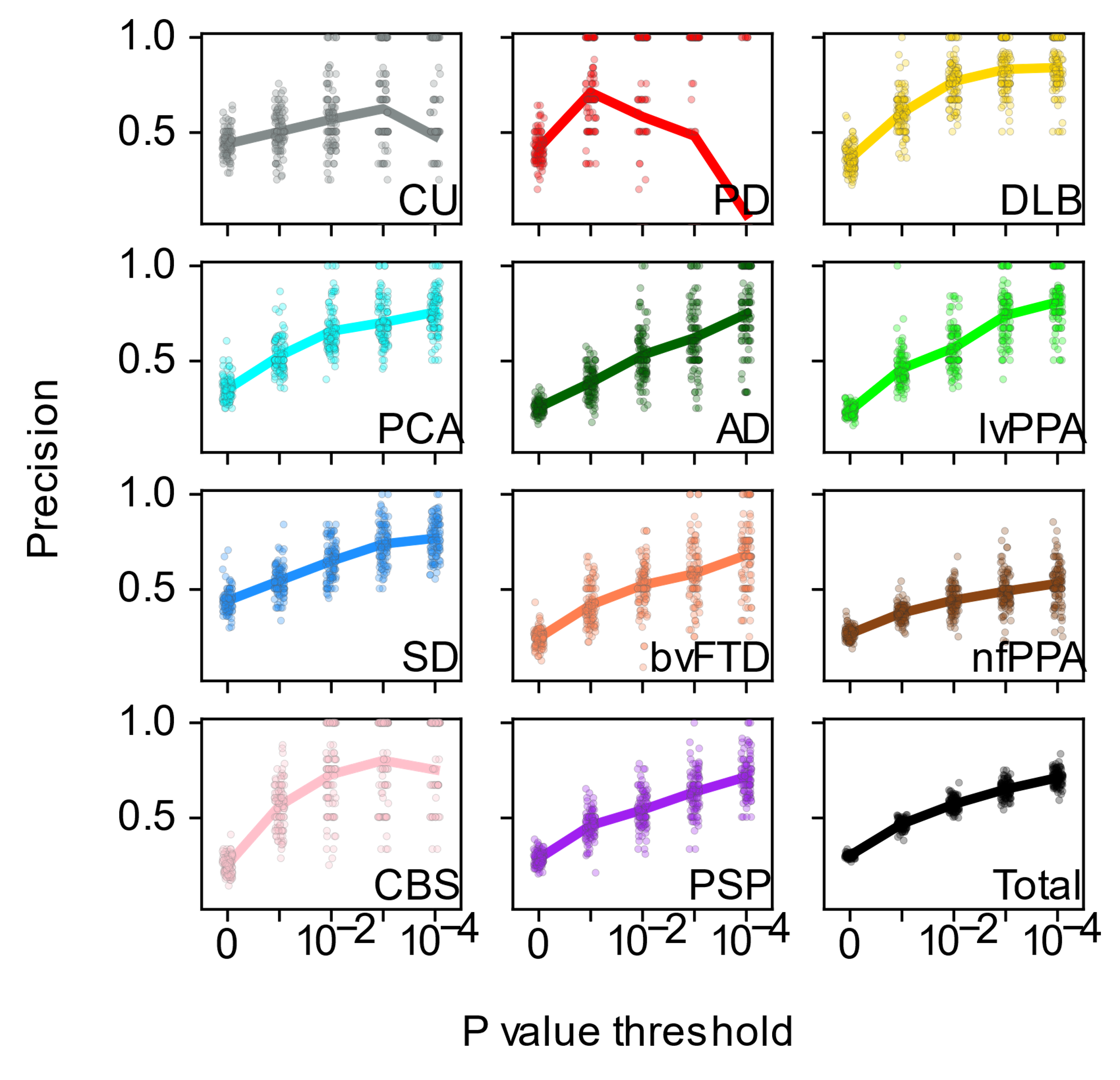
Precision as a function of p value.
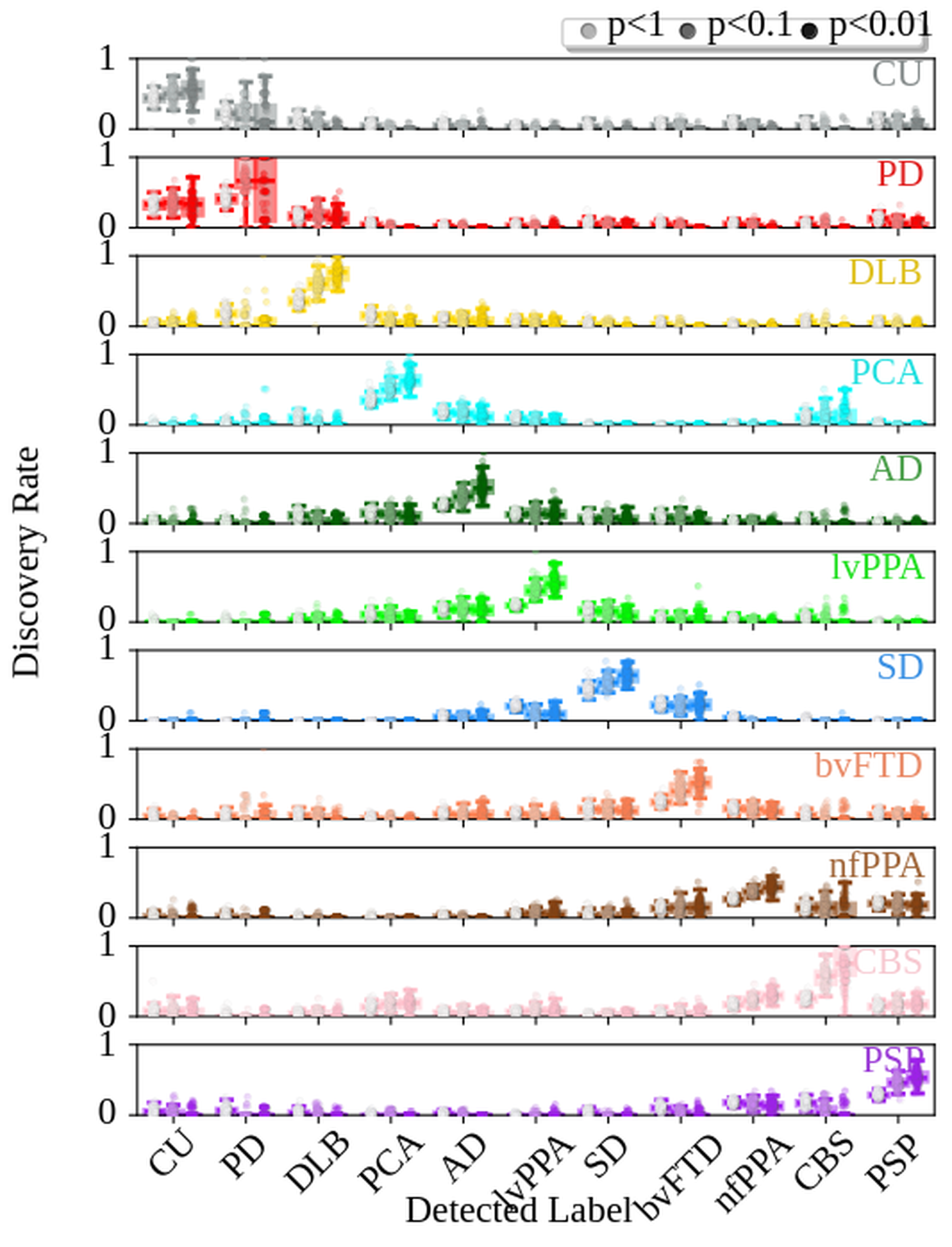
Discovery rate for all class pairs.
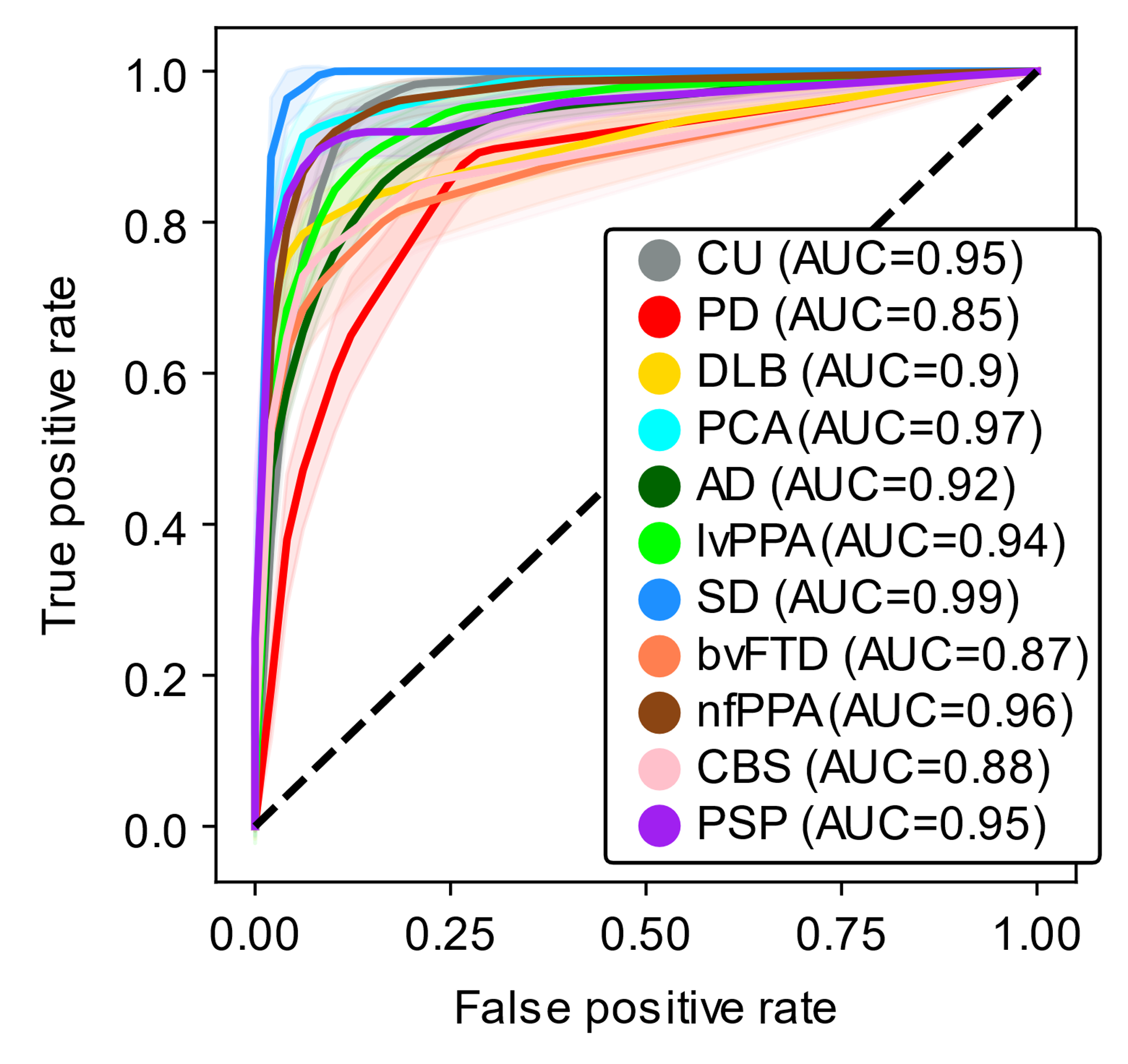
ROC AUC
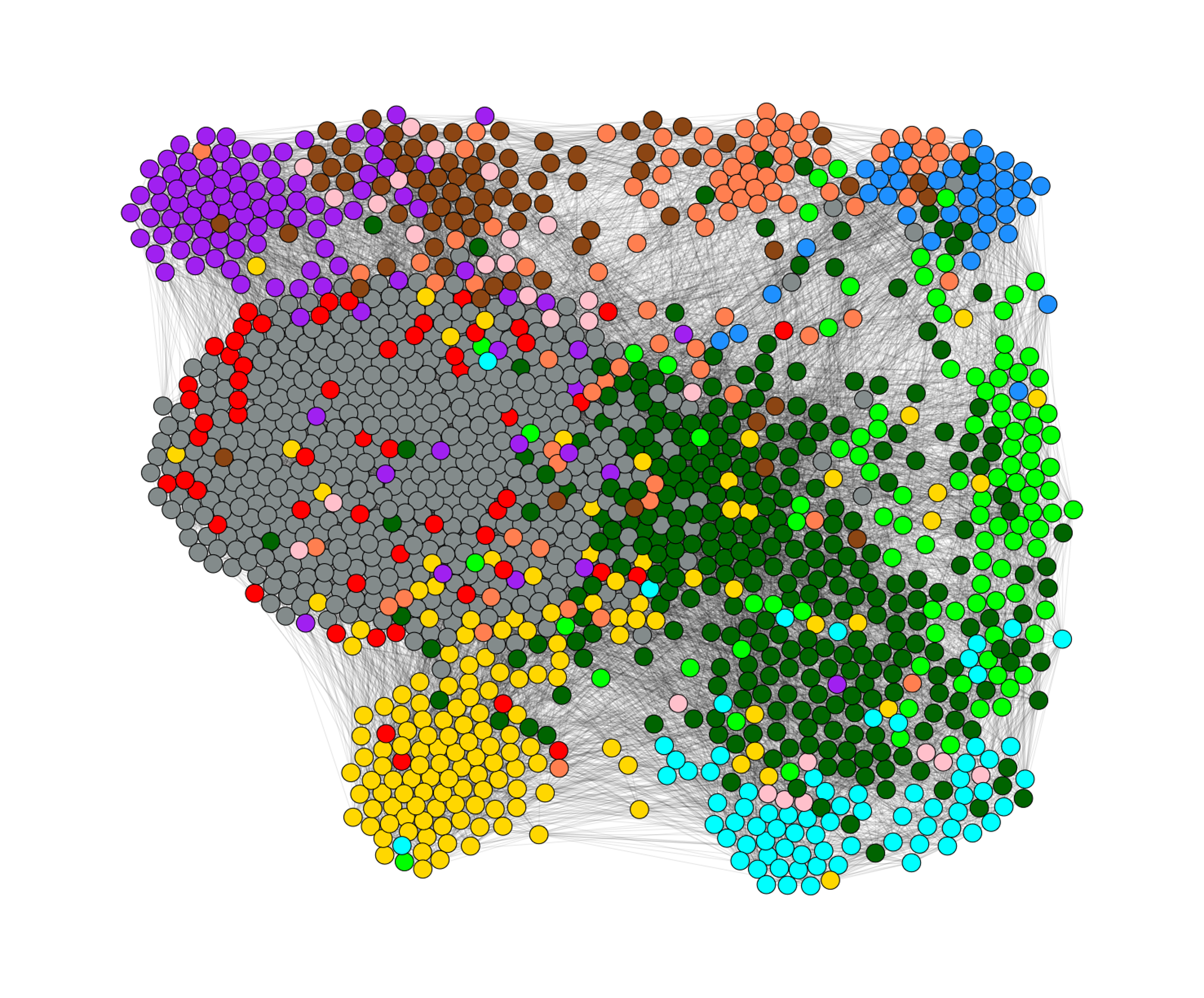
Graph representation of the k-NN model.
References: 1. Tolosa E, Garrido A, Scholz SW, Poewe W. Challenges in the diagnosis of Parkinson’s disease. Lancet Neurol. 2021 May;20(5):385-397. doi: 10.1016/S1474-4422(21)00030 PMID: 33894193; PMCID: PMC8185633.
2. Barnard L, Botha H, Corriveau-Lecavalier N, Graff-Radford J, Dicks E, Gogineni V, Zhang G, Burkett BJ, Johnson DR, Huls SJ, Khurana A, Stricker JL, Paul Min HK, Senjem ML, Fan WZ, Wiste H, Machulda MM, Murray ME, Dickson DW, Nguyen AT, Reichard RR, Gunter JL, Schwarz CG, Kantarci K, Whitwell JL, Josephs KA, Knopman DS, Boeve BF, Petersen RC, Jack CR, Lowe VJ, Jones DT; Alzheimer’s Disease Neuroimaging Initiative. An FDG-PET-Based Machine Learning Framework to Support Neurologic Decision-Making in Alzheimer Disease and Related Disorders. Neurology. 2025 Jul 22;105(2):e213831. doi: 10.1212/WNL.0000000000213831. Epub 2025 Jun 27. PMID: 40577677; PMCID: PMC12207676.
3. Postuma RB, Berg D, Stern M, Poewe W, Olanow CW, Oertel W, Obeso J, Marek K, Litvan I, Lang AE, Halliday G, Goetz CG, Gasser T, Dubois B, Chan P, Bloem BR, Adler CH, Deuschl G. MDS clinical diagnostic criteria for Parkinson’s disease. Mov Disord. 2015 Oct;30(12):1591-601. doi: 10.1002/mds.26424. PMID: 26474316.
To cite this abstract in AMA style:
B. Song, P. Turcano, K. Ghoniem, C. Piat, E. Camerucci, J. Bower, L. Barnard, D. Jones, R. Savica. FDG-PET-Based Machine Learning Differentiates Parkinson’s Disease from Other Neurodegenerative Disorders [abstract]. Mov Disord. 2026; 41 (suppl 1). https://www.mdsabstracts.org/abstract/fdg-pet-based-machine-learning-differentiates-parkinsons-disease-from-other-neurodegenerative-disorders/. Accessed October 1, 2026.« Back to 2026 International Congress
MDS Abstracts - https://www.mdsabstracts.org/abstract/fdg-pet-based-machine-learning-differentiates-parkinsons-disease-from-other-neurodegenerative-disorders/