
Category: Parkinson's Disease: Surgical Therapy
Objective: This case report represents one of the first practical implementations of LFP-guided programming and adaptive DBS in Thailand.
Background: Deep brain stimulation (DBS) of the subthalamic nucleus (STN) is an established treatment for advanced Parkinson’s disease (PD) with motor complications. Conventional DBS programming primarily relies on clinical assessment and a standard clinical monopolar review. With the development of sensing-enabled technology, a commercially available DBS system now enables real-time and chronic recording of local field potential (LFP) signals, which can be correlated with patient-reported clinical events.
Method: A 64-year-old woman with a 13-year history of PD underwent bilateral STN-DBS surgery and was implanted with a sensing-enabled DBS capable of recording LFP signals (Percept PC, Medtronic). Initial programming was performed approximately 1 month after surgery.
Results: First, a standard clinical monopolar review was performed to identify effective contacts. Systematic testing identified contact no. 1 on the left STN as the optimal contact for chronic stimulation, producing clear improvements in bradykinesia and rigidity without adverse effects. On the right STN, potential contacts for chronic stimulation included contact no. 11, 10, and 9. The Survey function was then used to detect LFP activity in the beta band and assist in contact selection. Subsequently, the Setup was conducted to determine frequencies of interest, followed by the Streaming function to confirm beta modulation with stimulation. This process identified contact no. 1 (left STN) and contact no. 9 (right STN) as the most suitable contacts for chronic stimulation. After establishing stable chronic stimulation with conventional DBS parameters and medication adjustment, Events (up to four) were configured for patient-reported event monitoring outside the clinic, enabling correlation with LFP snapshots. Once a stable biomarker was validated, adaptive DBS was activated to automatically adjust stimulation within clinician-defined amplitude limits and LFP thresholds.
Conclusion: Sensing-enabled DBS technology allows monitoring of STN LFP activity and provides a valuable biomarker for PD. Integrating this technology enables a structured transition from conventional DBS programming to adaptive stimulation.
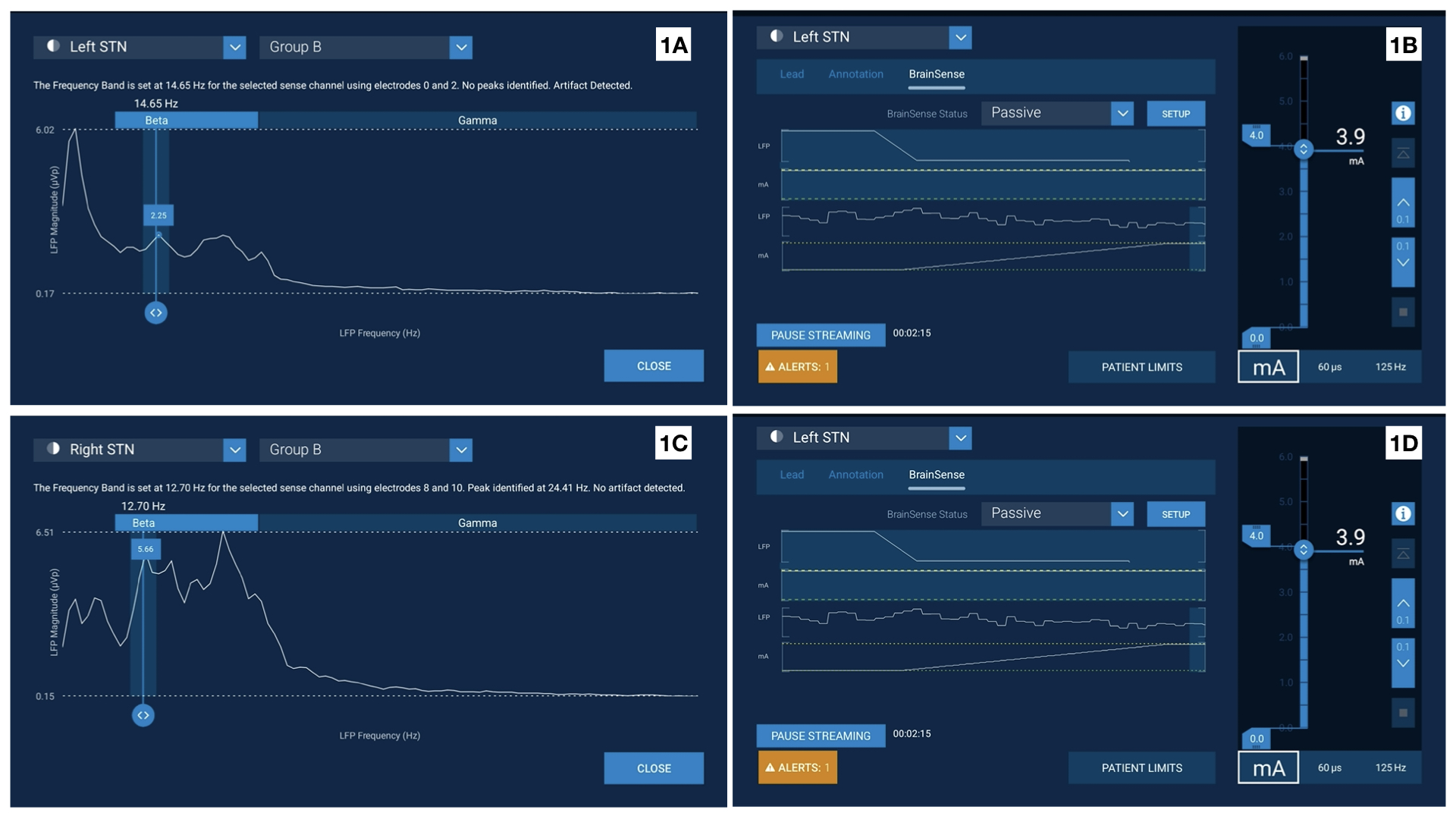
Figure 1 The Setup Process and Streaming
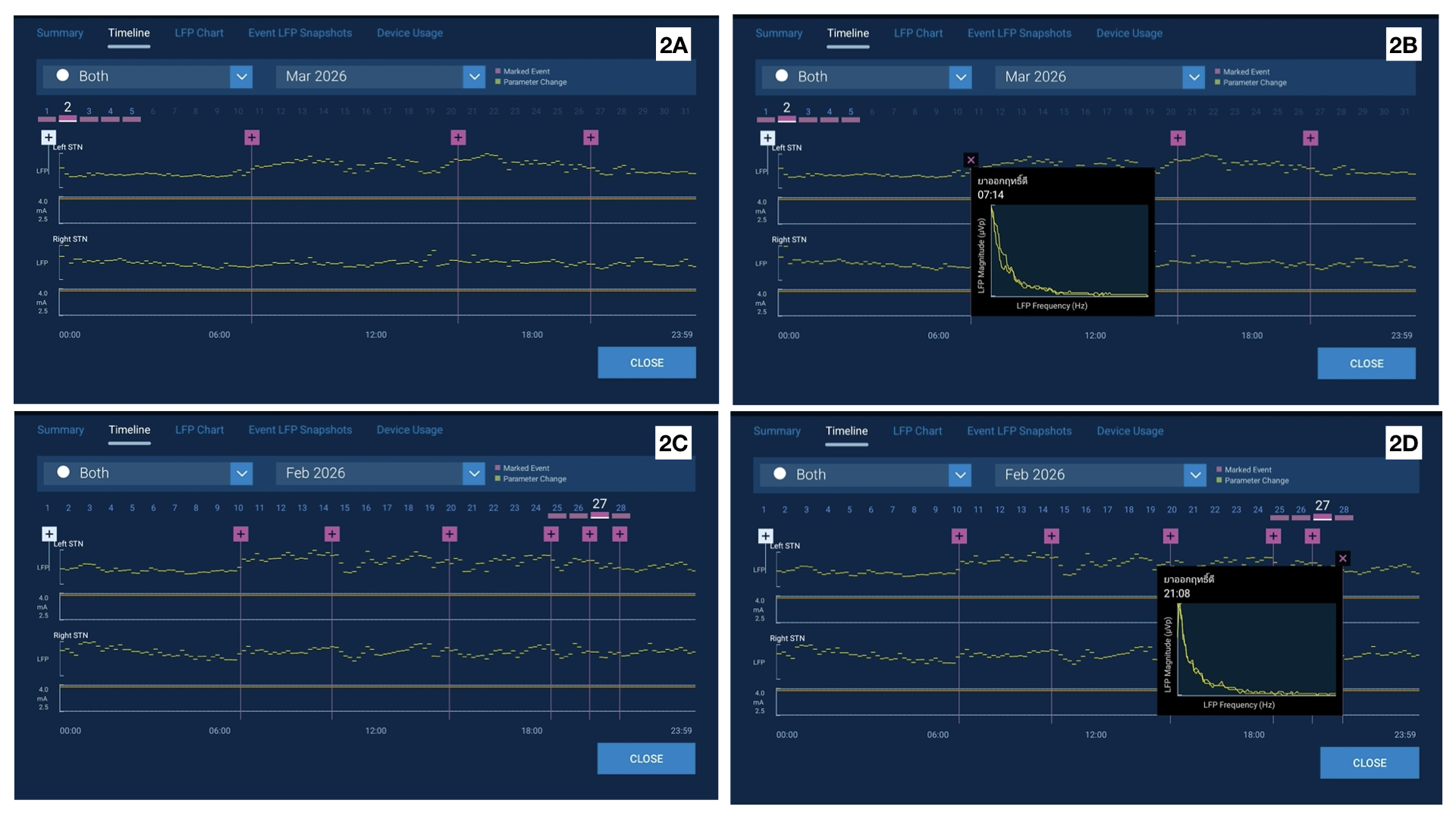
Figure 2 The Timeline for both STN
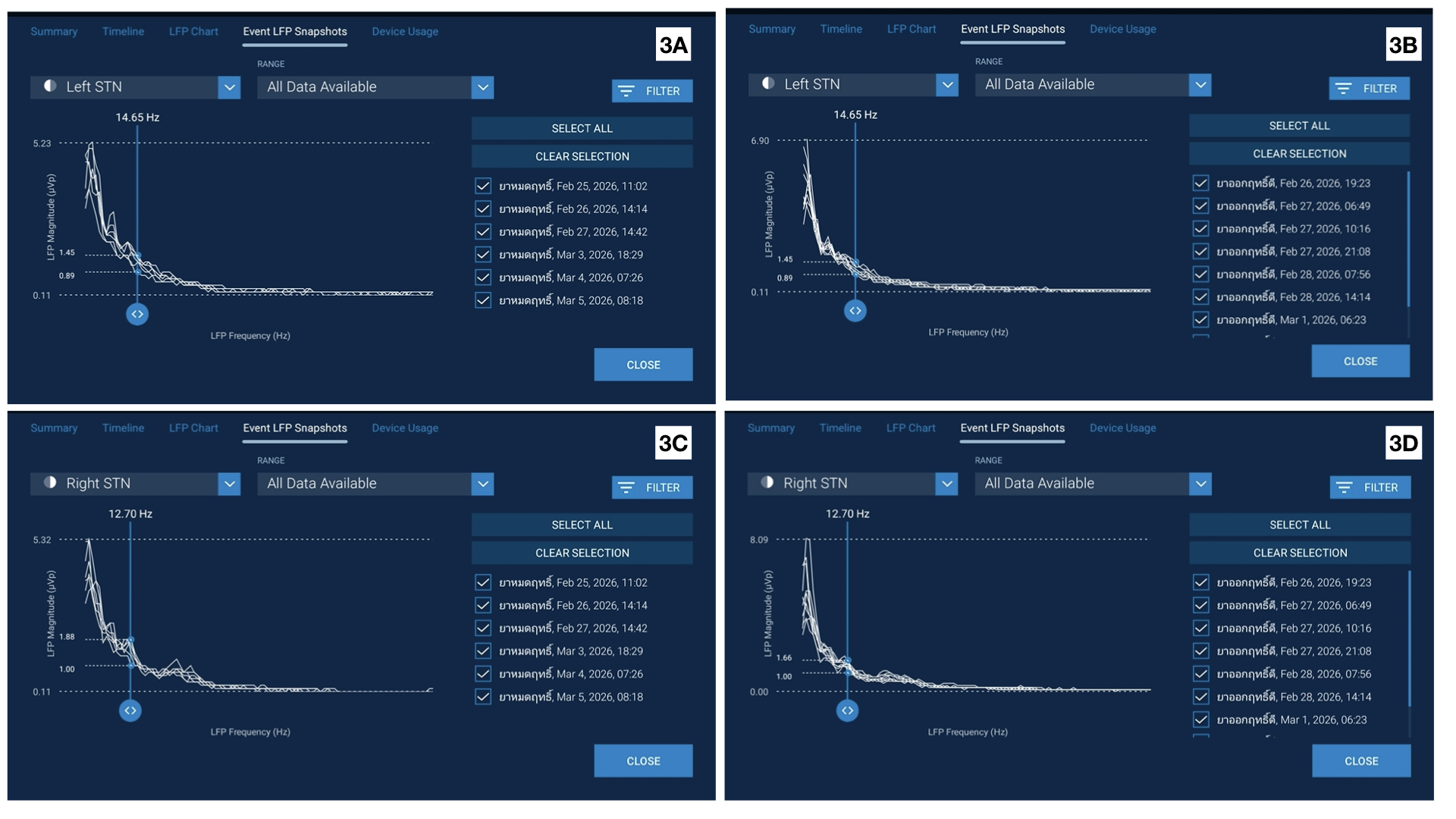
Figure 3 The Events in both off and on stages
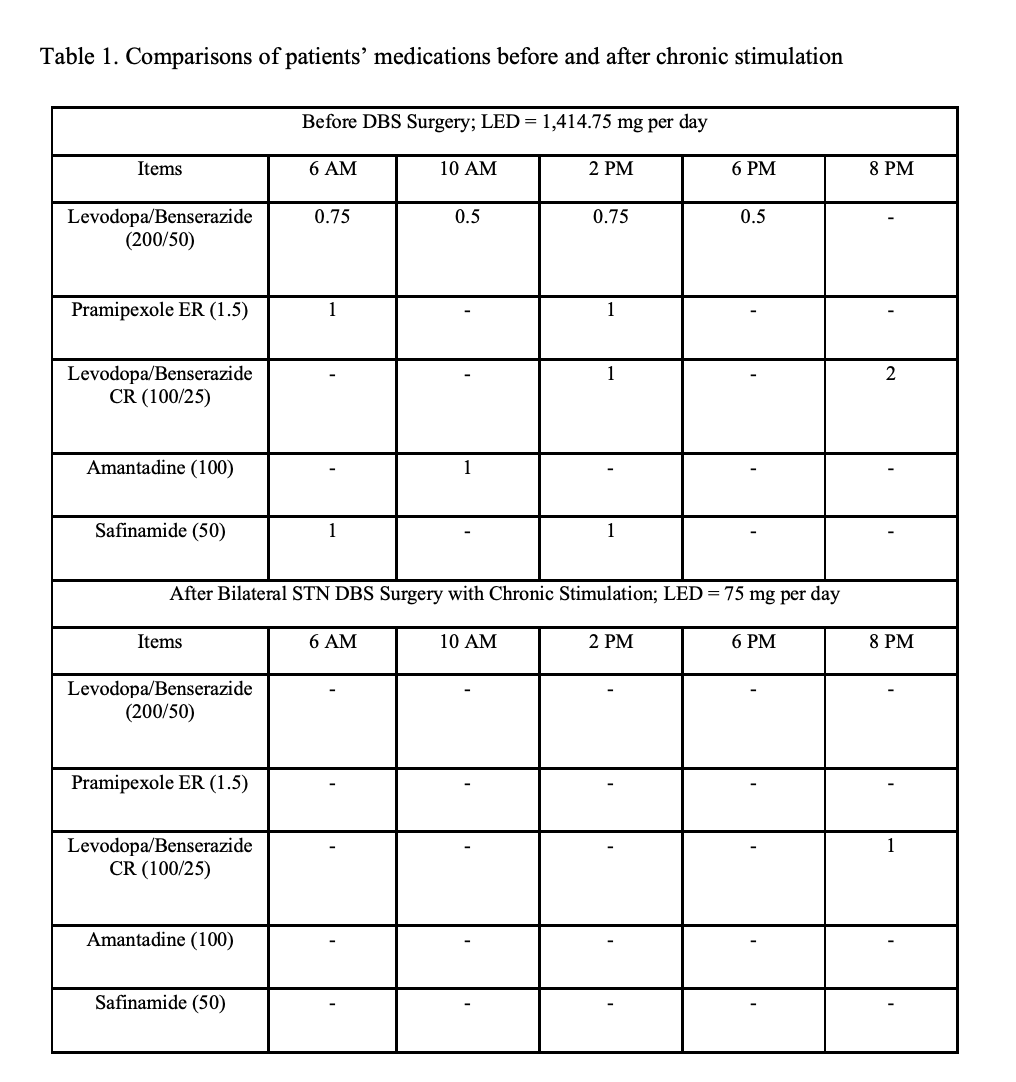
Table 1. Comparisons of patients’ medications
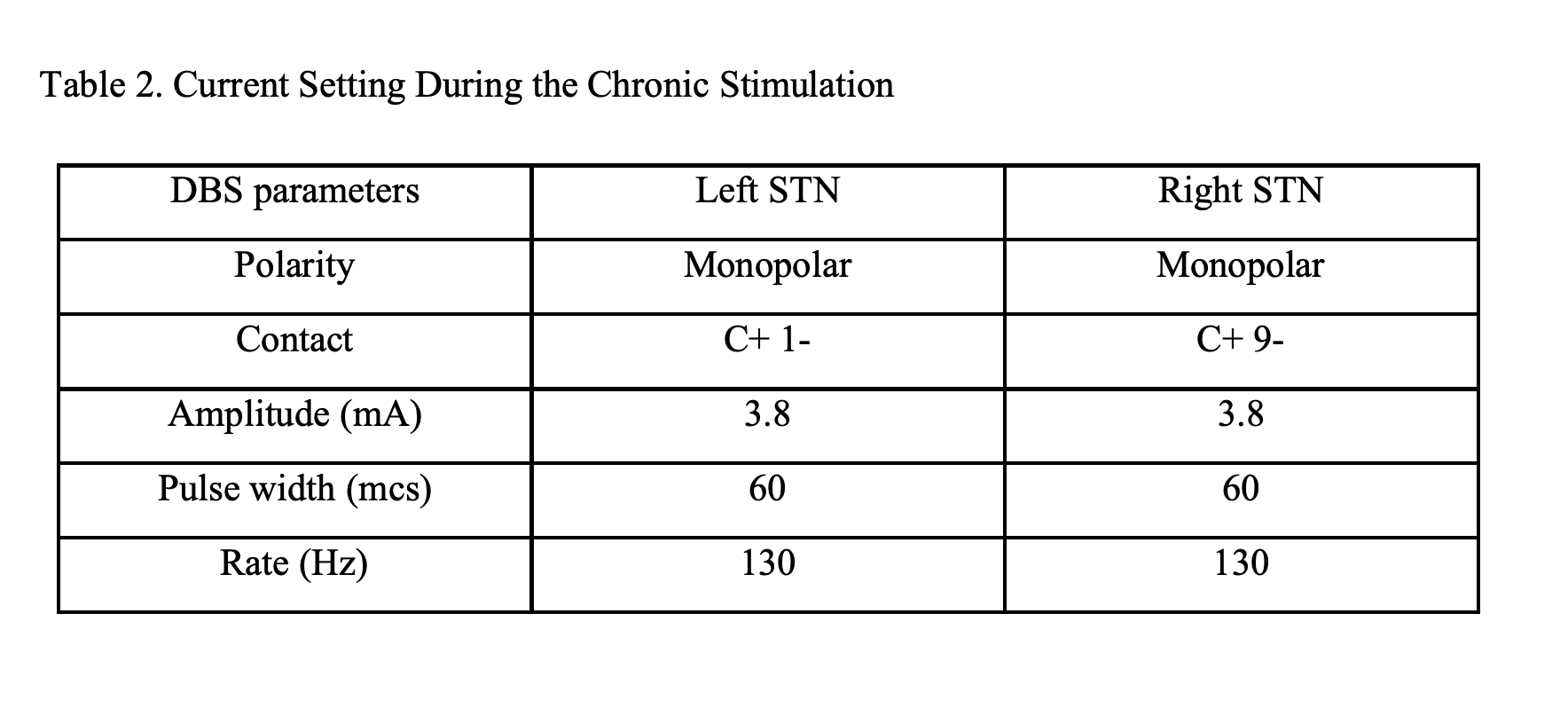
Table 2. Current Setting
References: Reference
1. Stanslaski S, et al. Sensing data and methodology from the Adaptive DBS Algorithm for Personalized Therapy in Parkinson’s Disease (ADAPT-PD) clinical trial. NPJ Parkinson’s Disease 2024;10:174.
2. Anis S, et al. Introducing a workflow algorithm for adaptive DBS programming in Parkinson’s disease. Parkinsonism and Relat Disord 2026;144:108199.
To cite this abstract in AMA style:
O. Phokaewvarangkul, N. Likhitwitayawuid, K. Sanyawut, N. Rattanapitak, R. Bhidayasiri. LFP-Based Deep Brain Stimulation Programming and Transition to Adaptive Deep Brain Stimulation in a Patient with Parkinson’s Disease: A Case Report from Thailand [abstract]. Mov Disord. 2026; 41 (suppl 1). https://www.mdsabstracts.org/abstract/lfp-based-deep-brain-stimulation-programming-and-transition-to-adaptive-deep-brain-stimulation-in-a-patient-with-parkinsons-disease-a-case-report-from-thailand/. Accessed October 1, 2026.« Back to 2026 International Congress
MDS Abstracts - https://www.mdsabstracts.org/abstract/lfp-based-deep-brain-stimulation-programming-and-transition-to-adaptive-deep-brain-stimulation-in-a-patient-with-parkinsons-disease-a-case-report-from-thailand/