
Category: Parkinson’s Disease: Clinical Trials
Objective: This study aimed to evaluate the therapeutic efficacy of repetitive transcranial magnetic stimulation (rTMS) and to explore its underlying neuromodulatory mechanisms.
Background: Primary motor cortex (M1) is vital in the pathophysiology of freezing of gait (FOG) in Parkinson’s disease (PD). rTMS targeting M1 may remodel locomotor circuits and alleviate FOG.
Method: This study comprised a cross-sectional investigation and an open-label intervention. Initially, we enrolled 37 PD-FOG patients, 66 PD without FOG and 32 healthy controls. All participants underwent baseline (T0) assessments using TMS paradigms and multimodal magnetic resonance imaging (MRI) to identify FOG-specific neurophysiological features. Subsequently, the PD-FOG cohort received ten add-on rTMS sessions targeting the lower limb of M1. Efficacy and neuromodulatory mechanisms were evaluated immediately post-intervention (T1) via objective gait measurements, TMS paradigms and multimodal MRI. A one-month follow-up (T2) was conducted to assess sustained efficacy.
Results: The cross-sectional investigation revealed that attenuated cortical inhibition, excessive cortico-cortical coupling and disrupted microstructural integrity constituted key pathophysiological substrates contributing to the occurrence of FOG. Following rTMS, significant improvements in gait indicators were observed at both T1 and T2 compared to T0. Moreover, pre-post comparisons elucidated the neurobiological mechanisms underlying rTMS effects in PD-FOG. rTMS treatments targeting the M1 alleviated freezing gait by restoring cortical excitability balance, desynchronizing M1-occipital functional coupling, reducing left precentral gyrus perfusion and elevating FA in the superior longitudinal fasciculus.
Conclusion: Integrating findings from baseline comparisons and rTMS neuromodulation provided converging evidence elucidating the pathophysiology of freezing gait, further validating the maladaptive hyperexcitability of the M1 as a pivotal pathophysiological hub in PD-FOG. rTMS targeting M1 substantially alleviated FOG by restoring cortical inhibition, normalizing the functional connectivity of the M1-occipital loop, reducing cerebral perfusion and remodeling WM microstructure within targeted pathway.
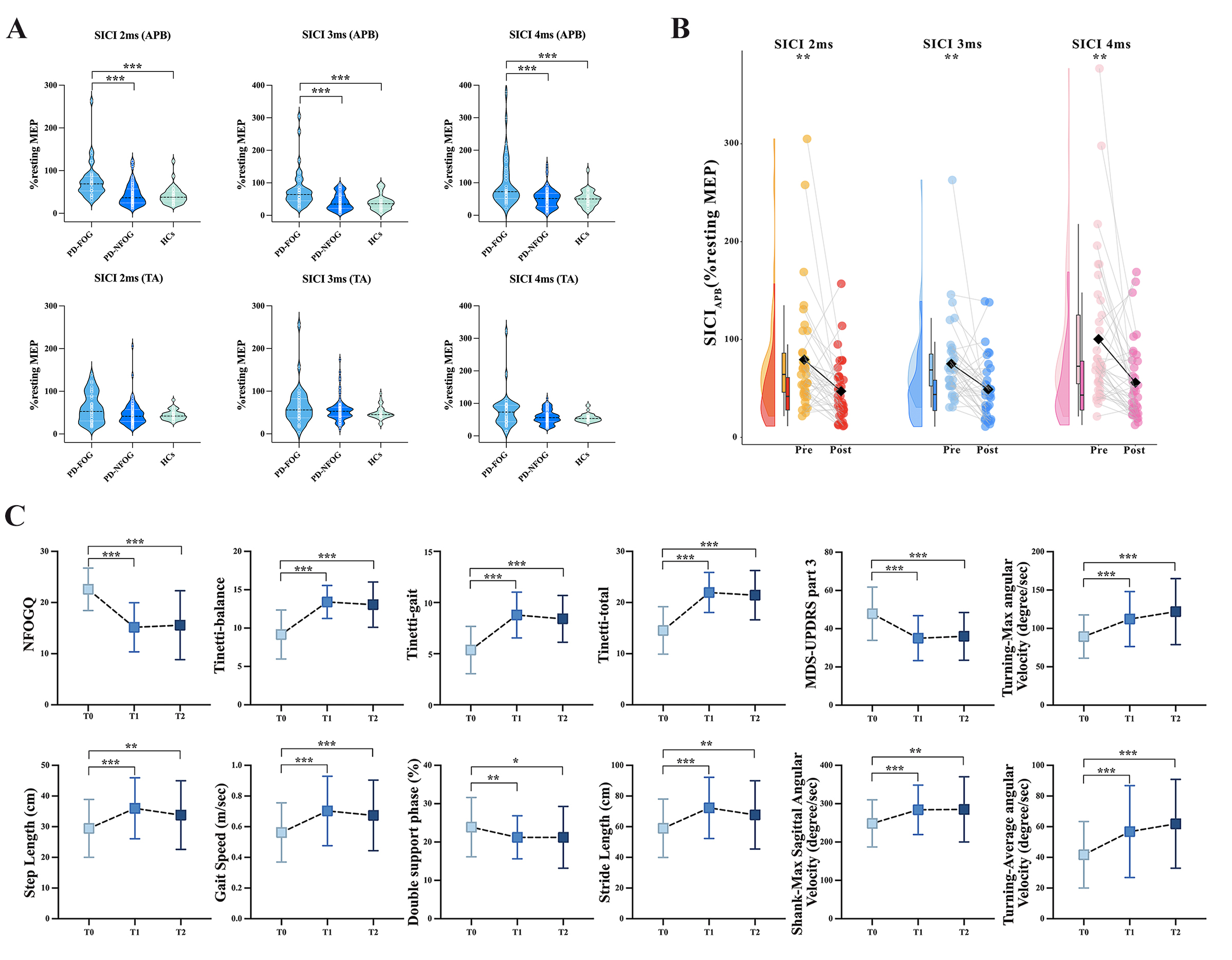
Figure 1
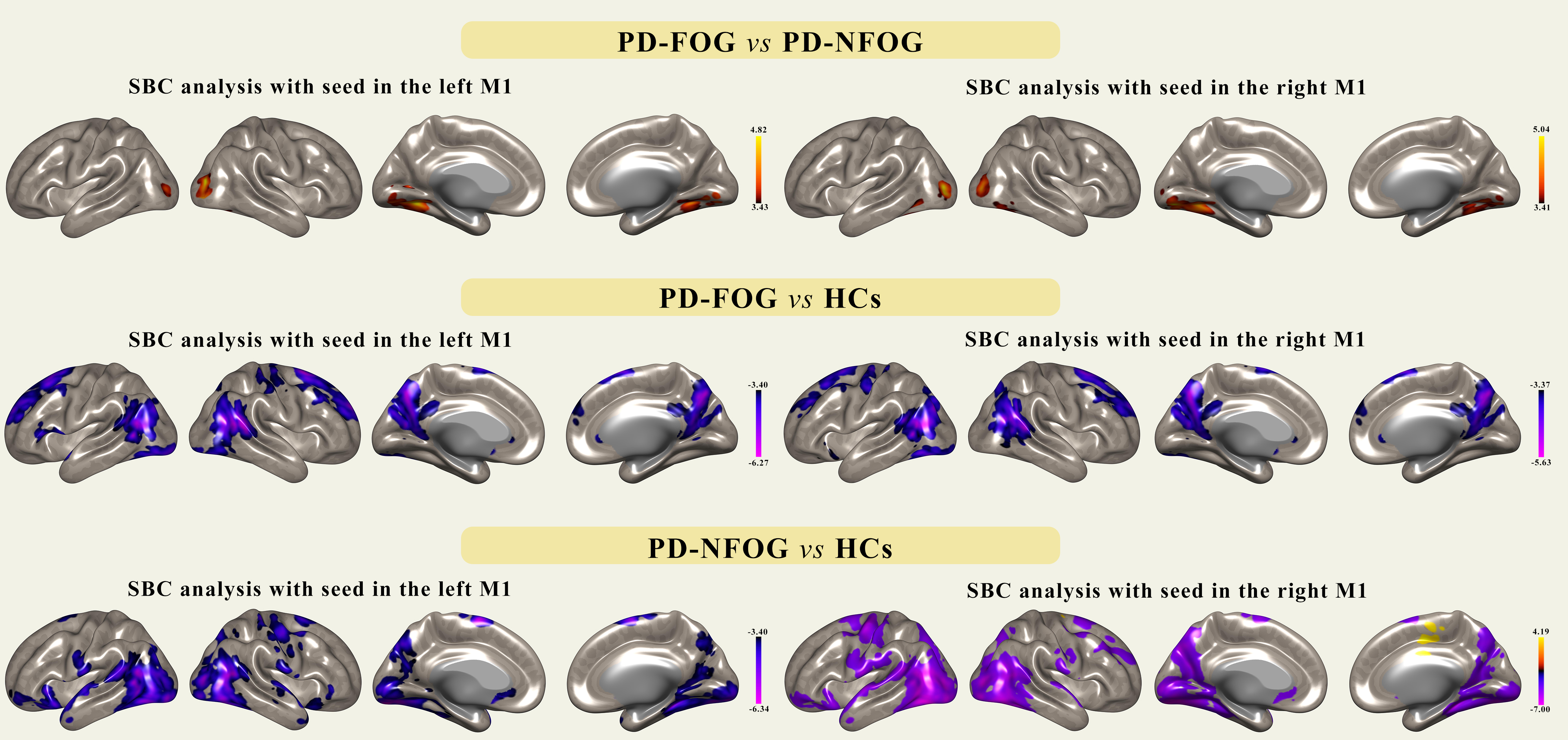
Figure 2
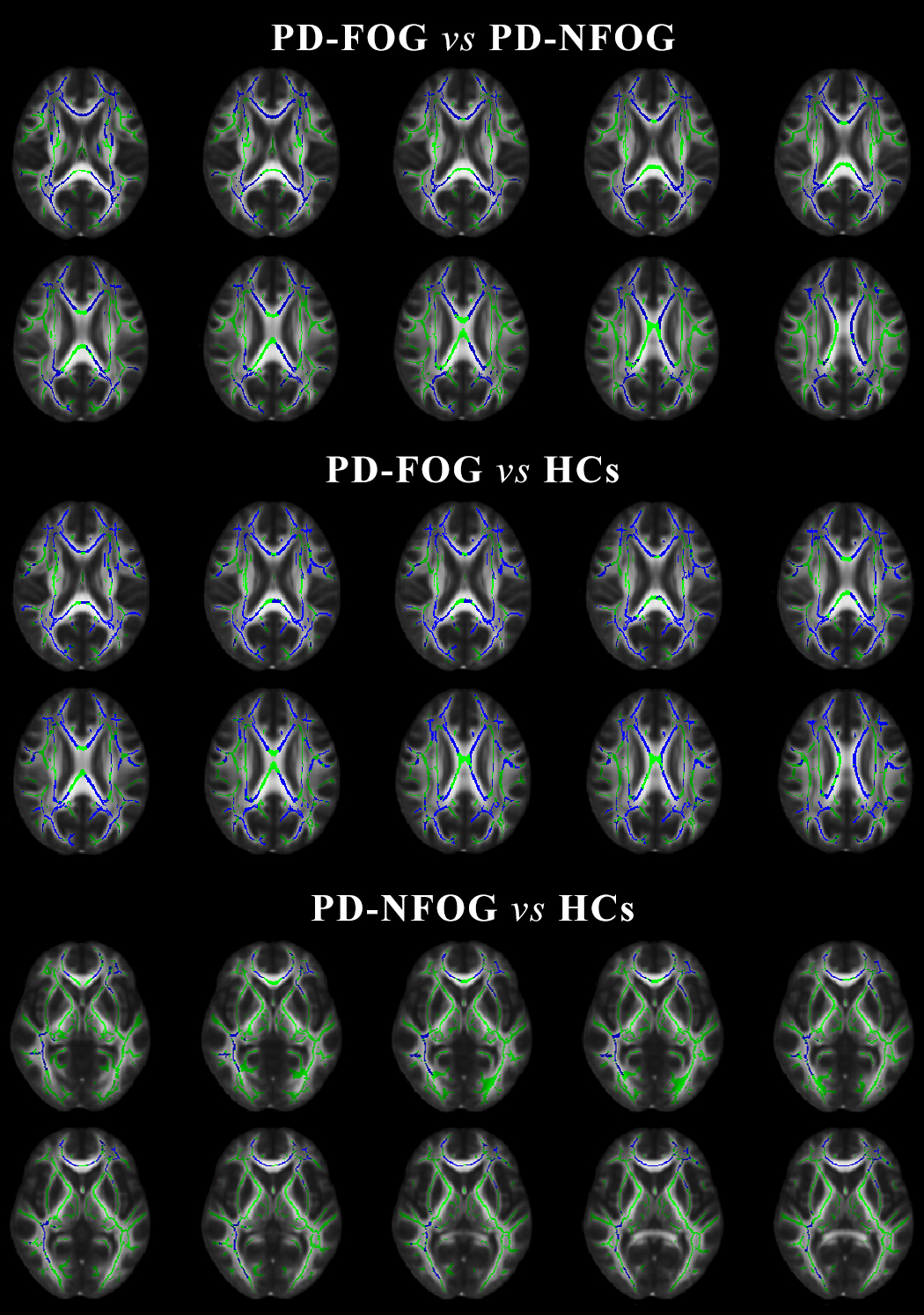
Figure 3
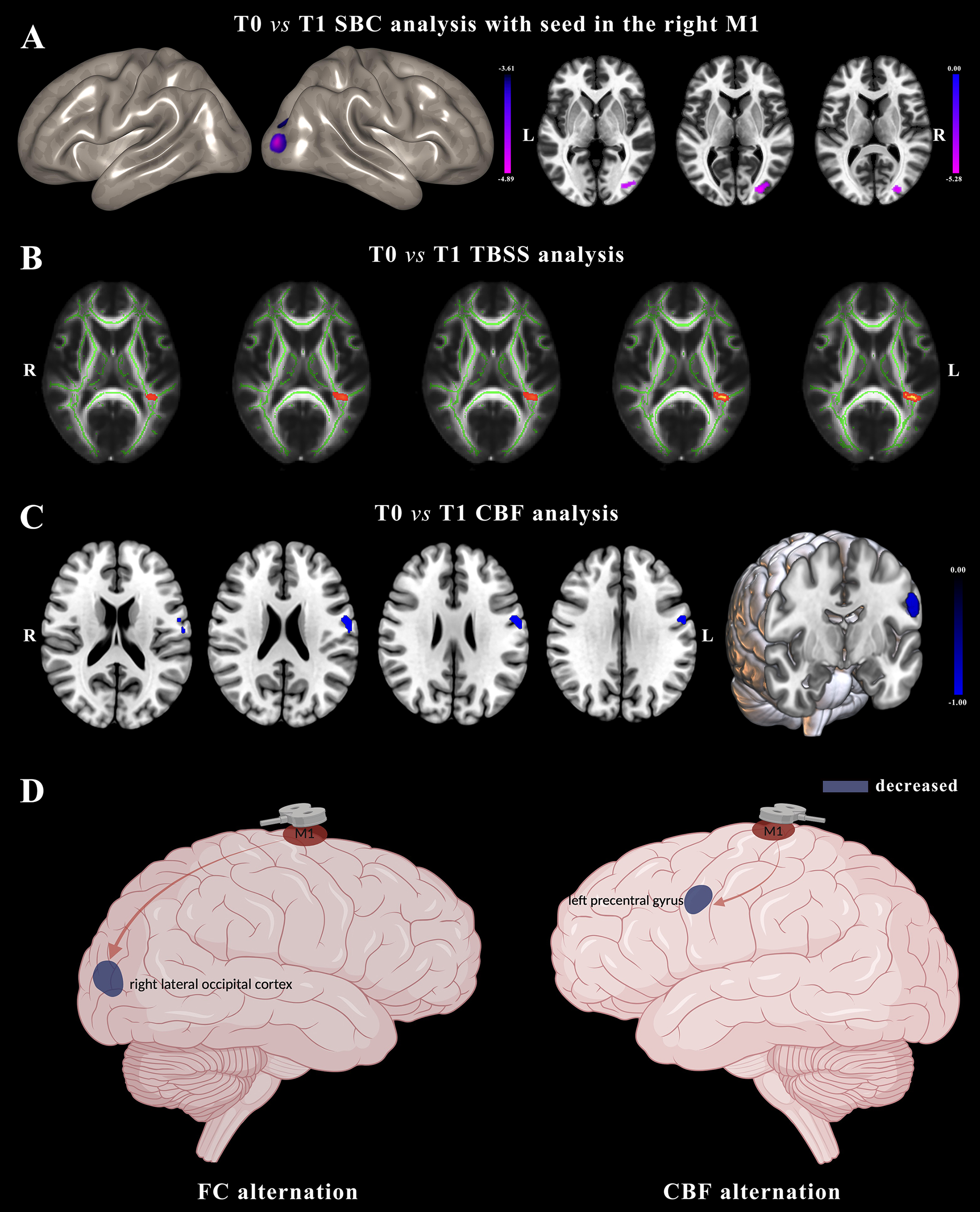
Figure 4
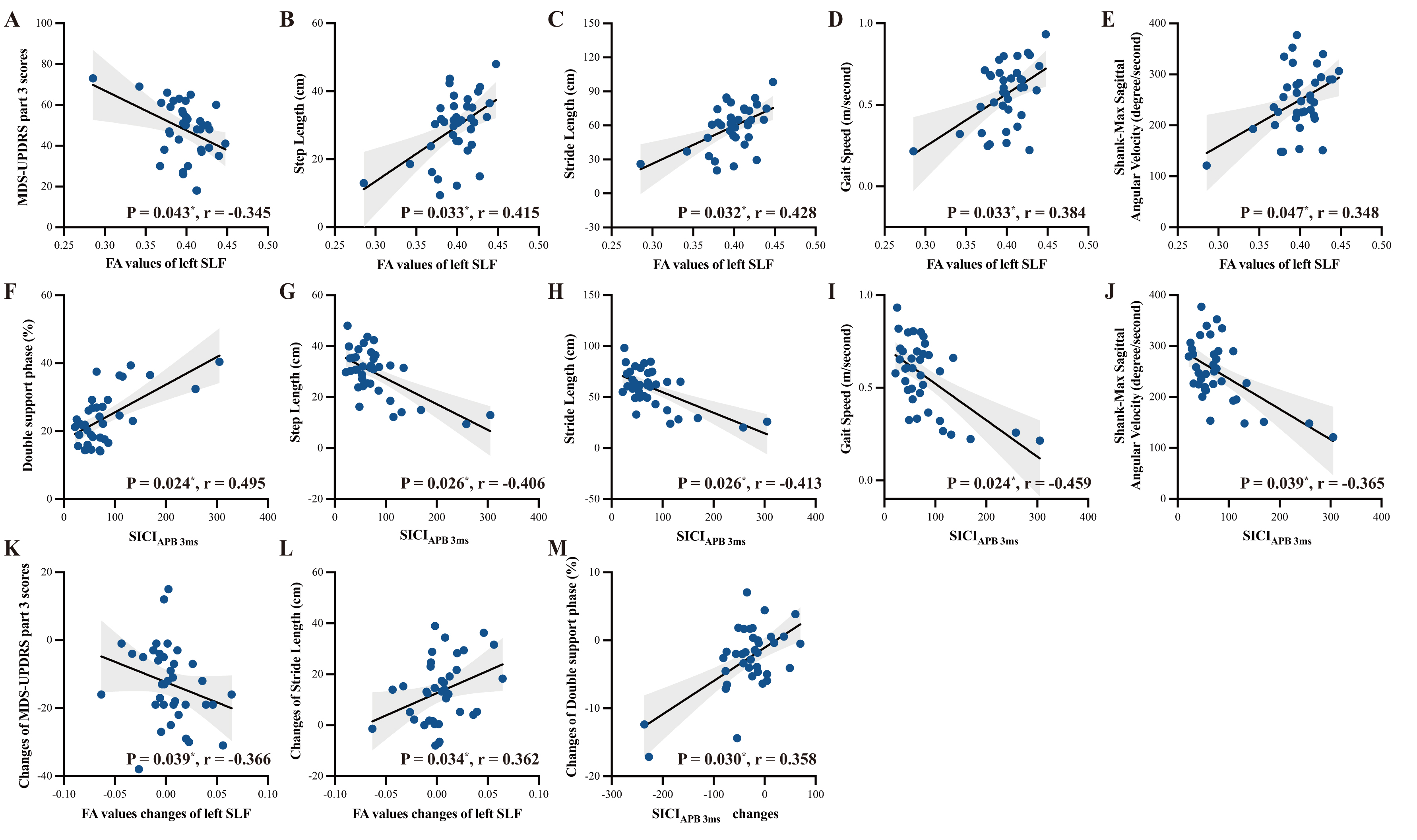
Figure 5
To cite this abstract in AMA style:
C. Gan, K. Zhang. Neuromodulation of Add-on Repetitive Transcranial Magnetic Stimulation improving Freezing of Gait in Parkinson’s Disease: Integrated Cross-sectional and Interventional Evidence [abstract]. Mov Disord. 2026; 41 (suppl 1). https://www.mdsabstracts.org/abstract/neuromodulation-of-add-on-repetitive-transcranial-magnetic-stimulation-improving-freezing-of-gait-in-parkinsons-disease-integrated-cross-sectional-and-interventional-evidence/. Accessed October 1, 2026.« Back to 2026 International Congress
MDS Abstracts - https://www.mdsabstracts.org/abstract/neuromodulation-of-add-on-repetitive-transcranial-magnetic-stimulation-improving-freezing-of-gait-in-parkinsons-disease-integrated-cross-sectional-and-interventional-evidence/