
Category: Parkinson’s Disease: Clinical Trials
Objective: To methodically assess the safety and effectiveness of fecal microbiota transplantation (FMT) in comparison to a placebo for Parkinson’s disease (PD) patients’ motor and non-motor symptoms.
Background: The microbiota-gut-brain axis is a major therapeutic target in PD [1]. FMT exhibits preclinical potential; however, its clinical applicability is contentious due to inconsistent trial outcomes [3,4]. This study combines evidence to find out if FMT is helpful in a clinical setting.
Method: A PRISMA-compliant meta-analysis searched PubMed, Embase, and Cochrane Central (through February 2025) for RCTs comparing FMT to placebo in PD. The primary outcomes were mean differences (MD) in MDS-UPDRS scores [1]. Secondary outcomes included IBS-SSS, MoCA, and AEs. The data were analyzed using a random-effects model (GRADE) [1].
Results: Three RCTs (79 FMT, 66 placebo) were included [1] [see table 1]. The pooled analysis indicated no significant superiority of FMT compared to placebo for MDS-UPDRS Part III on-medication (MD 1.41; 95% CI -2.14, 4.42; P=.50) or off-medication (MD 1.26; P=.48) [1] [refer to Figure 1]. There was no significant improvement in non-motor experiences (MDS-UPDRS I) (MD -0.36; P=.70) [1]. Even with changes to the microbiota [3,5], secondary endpoints such as IBS-SSS (P=.51) and MoCA (P=.88) did not demonstrate significant benefits [1]. However, FMT had a much higher risk of GI side effects than placebo (Risk Ratio 3.32; 95% CI 1.01, 10.87; P=.05) [1] [see Figure 2]. Heterogeneity was low for motor outcomes (I²=17%) but substantial for GI scores (I²=76%), likely due to varied administration routes [1, 3].
Conclusion: Current randomized trial evidence suggests that FMT is not superior to placebo in terms of improving motor or non-motor symptoms in Parkinson’s disease, and it is associated with a higher risk of gastrointestinal adverse events [1]. While FMT alters the microbiome, this does not yet translate into standard clinical improvements, implying that future research should prioritize precision approaches in donor selection and recipient phenotyping [1].
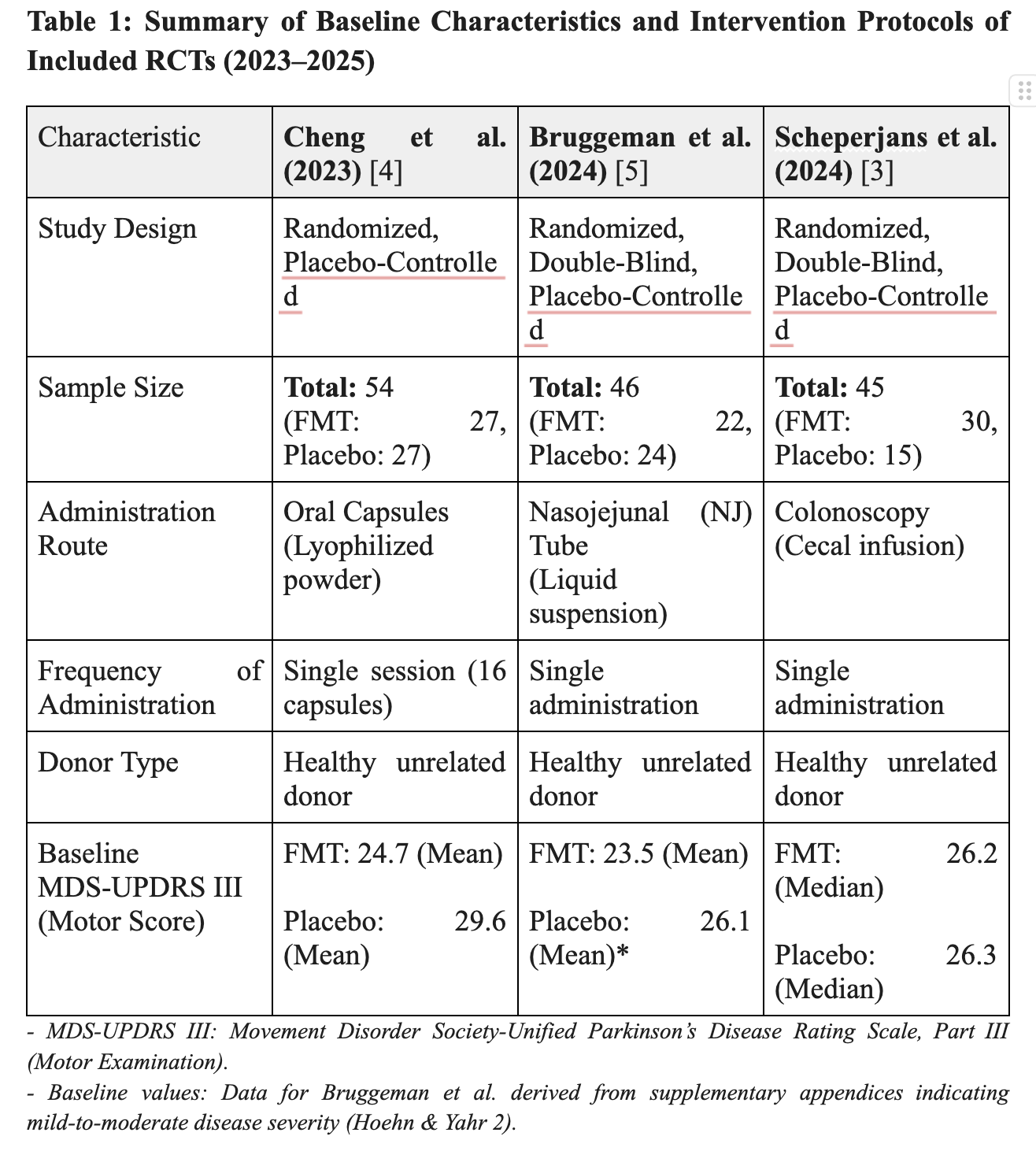
Figure 1, within the 4th line of result section
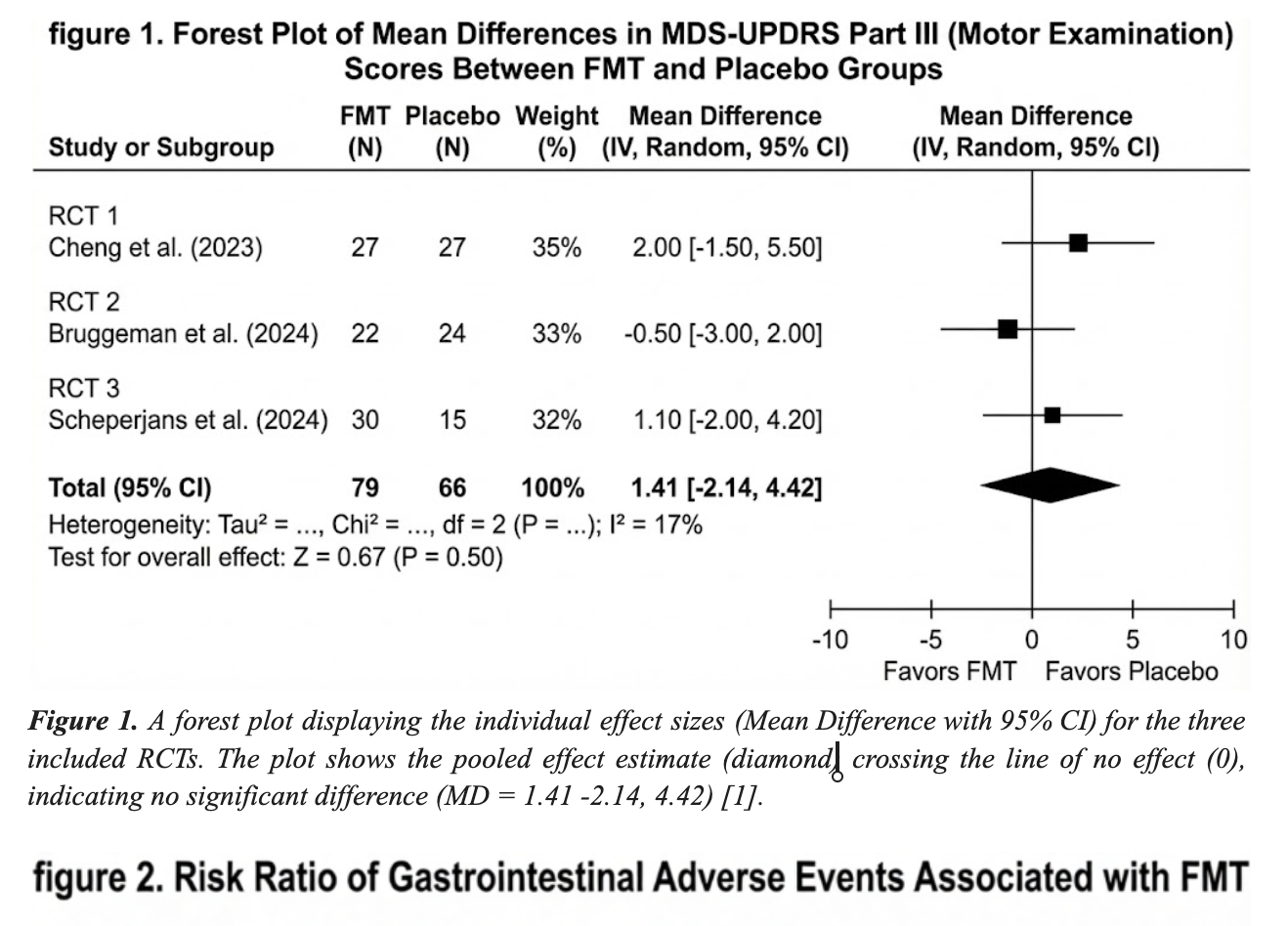
Table 1 . within 1st line of result section
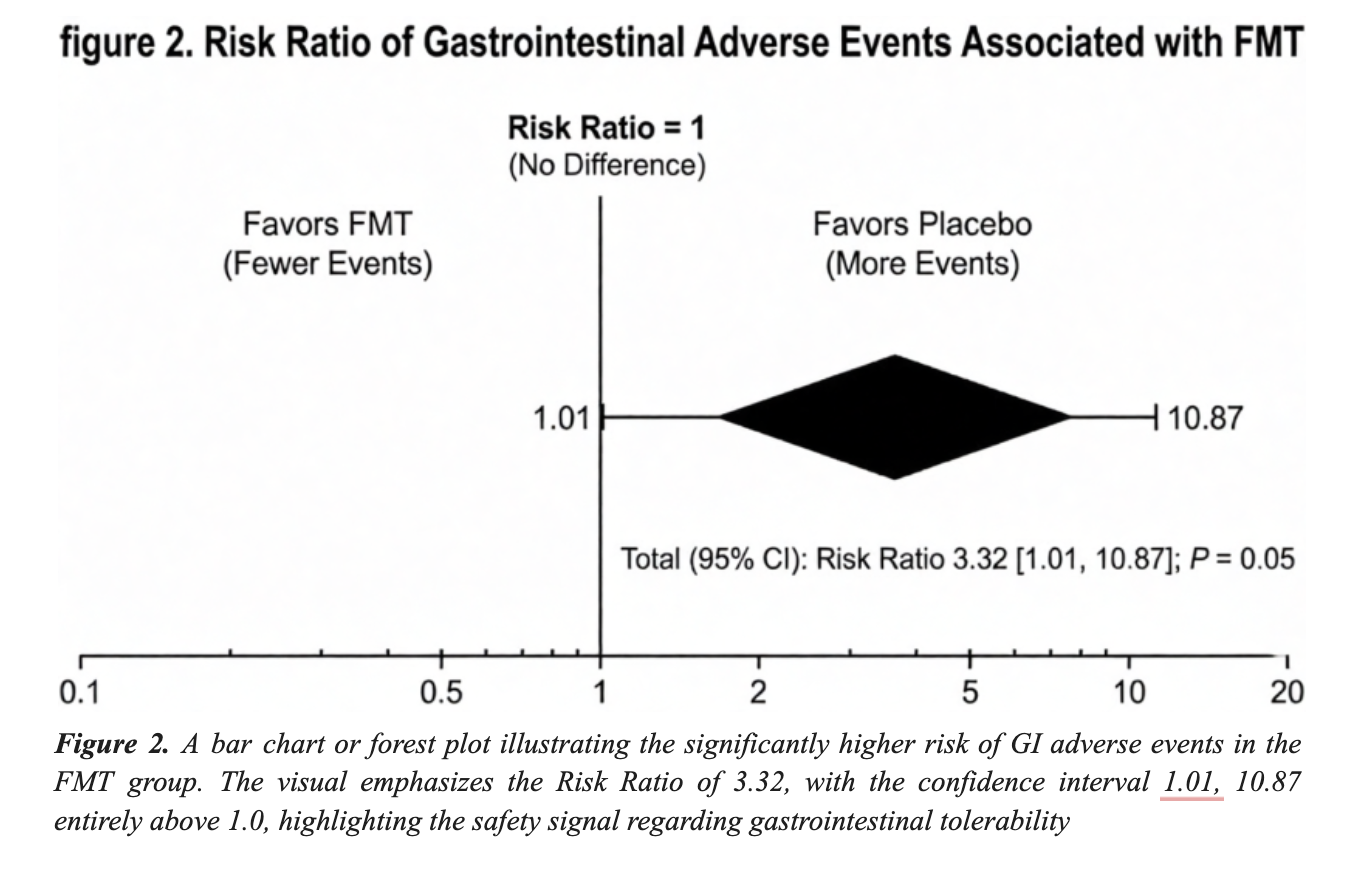
Figure 2, within last 3rd line of result section.
References: [1] Waseem MH, Abideen ZU, Shoaib A, et al. Fecal Microbiota Transplantation for Treatment of Parkinson’s Disease: A Systematic Review and Meta-Analysis of Randomized Controlled Trials. J Cent Nerv Syst Dis. 2025;17:1-10. doi:10.1177/1179573525138878
[2] Chen K, Sun L, Liu Y, Chen R. Safety and efficacy of fecal microbiota transplantation in the treatment of Parkinson’s disease: a systematic review of clinical trials. Front Neurosci. 2025;19:1639911. doi:10.3389/fnins.2025.1639911
[3] Scheperjans F, Levo R, Bosch B, et al. Fecal Microbiota Transplantation for Treatment of Parkinson Disease: A Randomized Clinical Trial. JAMA Neurol. 2024;81(9):925-938. doi:10.1001/jamaneurol.2024.23055
[4] -Cheng Y, Tan G, Zhu Q, et al. Efficacy of fecal microbiota transplantation in patients with Parkinson’s disease: clinical trial results from a randomized, placebo-controlled design. Gut Microbes. 2023;15(2):2284247. doi:10.1080/19490976.2023.2284247
[5] Bruggeman A, Vandendriessche C, Hamerlinck H, et al. Safety and efficacy of fecal microbiota transplantation in patients with mild to moderate Parkinson’s disease (GUT-PARFECT): a double-blind, placebo-controlled, randomized, phase 2 trial. eClinicalMedicine. 2024; 71:102563. doi:10.1016/j.eclinm.2024.102563
To cite this abstract in AMA style:
Z. Hussein, A. Al-Zaidi, F. Al-Zaidi. Restoring the Axis: Efficacy of Fecal Microbiota Transplantation (FMT) on Motor and Non-Motor Symptoms in Parkinson’s Disease: A Systematic Review and Meta-Analysis of Randomized Controlled Trials (2023–2025) [abstract]. Mov Disord. 2026; 41 (suppl 1). https://www.mdsabstracts.org/abstract/restoring-the-axis-efficacy-of-fecal-microbiota-transplantation-fmt-on-motor-and-non-motor-symptoms-in-parkinsons-disease-a-systematic-review-and-meta-analysis-of-randomized-controlled-tr/. Accessed October 1, 2026.« Back to 2026 International Congress
MDS Abstracts - https://www.mdsabstracts.org/abstract/restoring-the-axis-efficacy-of-fecal-microbiota-transplantation-fmt-on-motor-and-non-motor-symptoms-in-parkinsons-disease-a-systematic-review-and-meta-analysis-of-randomized-controlled-tr/