
Objective: To investigate associations of probable REM sleep behavior disorder (pRBD) with Parkinson’s disease (PD)-related symptoms and functional outcomes in Chinese older adults.
Background: The relationship between pRBD and motor/non-motor PD manifestations and functional deficits in the elderly remains inconclusive.
Method: Community-dwelling adults aged ≥ 55 years were recruited from the Beijing Longitudinal Study on Aging II (BLSA-II) cohort from 2010 to 2011. pRBD was identified using the validated RBD Questionnaire-Hong Kong (RBD-HK). Both age and sex-adjusted and multivariable-adjusted odds ratio (ORs) and 95% confidence intervals (CI) were computed with logistic regression models.
Results: Among 6,794 participants (mean age 71 years, 60% female), 230 (3.4%) had pRBD. After multivariable adjustment for age, sex, education, marital status, family history of PD/AD, stroke history, smoking, alcohol use, et al., pRBD was associated with 2- to 3-fold higher odds of motor symptoms, including frequent falls, postural instability and gait disturbance (PIGD), masked face, limb clumsiness, and rigidity. pRBD was also significantly associated with many non-motor manifestations including constipation, excessive daytime sleepiness, hyposmia, depression, and memory impairment. If only adjusting for age and sex, pRBD showed a marginally significant association with positive PD screening. Furthermore, pRBD remained as an independent predictor of frailty, cognitive frailty, and objective balance impairment defined using Tinetti scale with 1.7- to 2.4-fold elevated risks after fullly adjustment. Notably, pRBD showed stronger associations with frailty and cognitive frailty than with basic/instrumental disability in activities of daily living (ADL/IADL disability).
Conclusion: pRBD is a key biomarker for prodromal PD, associated with motor deficits (gait instability, limb rigidity) and non-motor manifestations (hyposmia, autonomic dysfunction, cognitive and psychological impairment). It also signals diminished overall functional reserve in older adults. Clinical priorities for pRBD patients should include fall prevention, balance training, and early screening for PD and frailty.
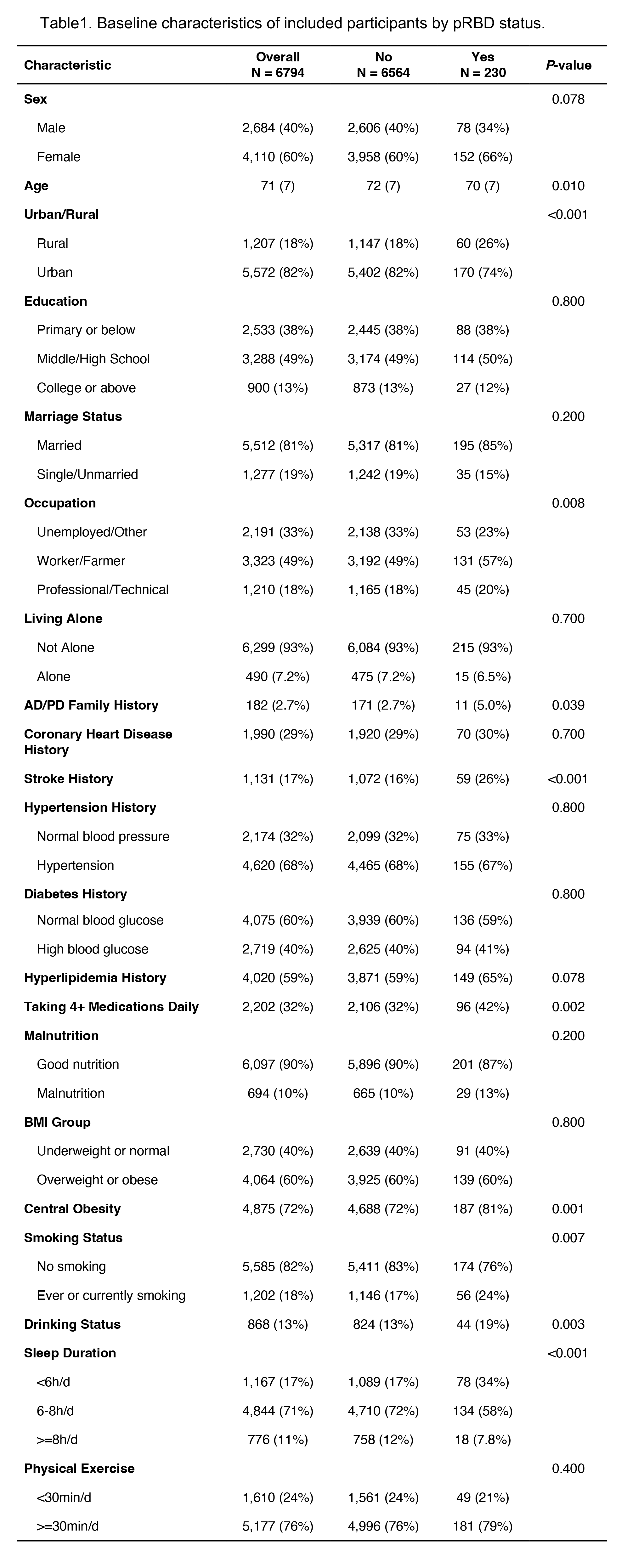
Table1. Baseline characteristics by pRBD status
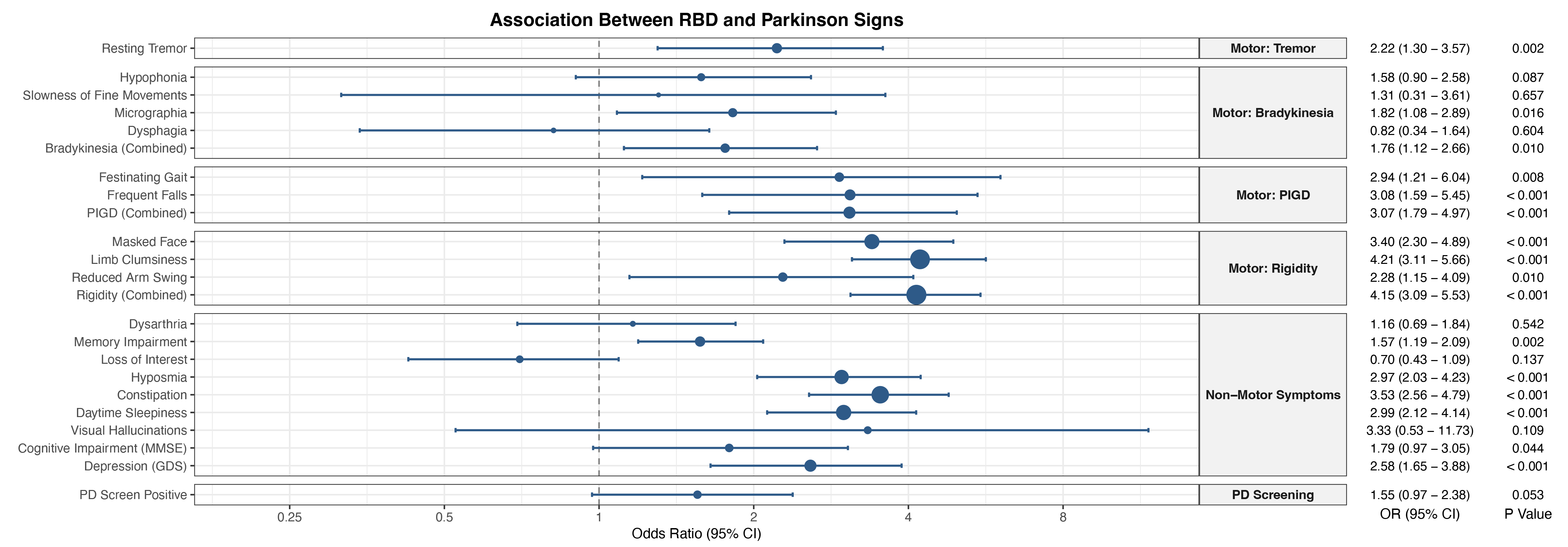
Figure1. Age and sex-adjusted ORs of PD symptoms
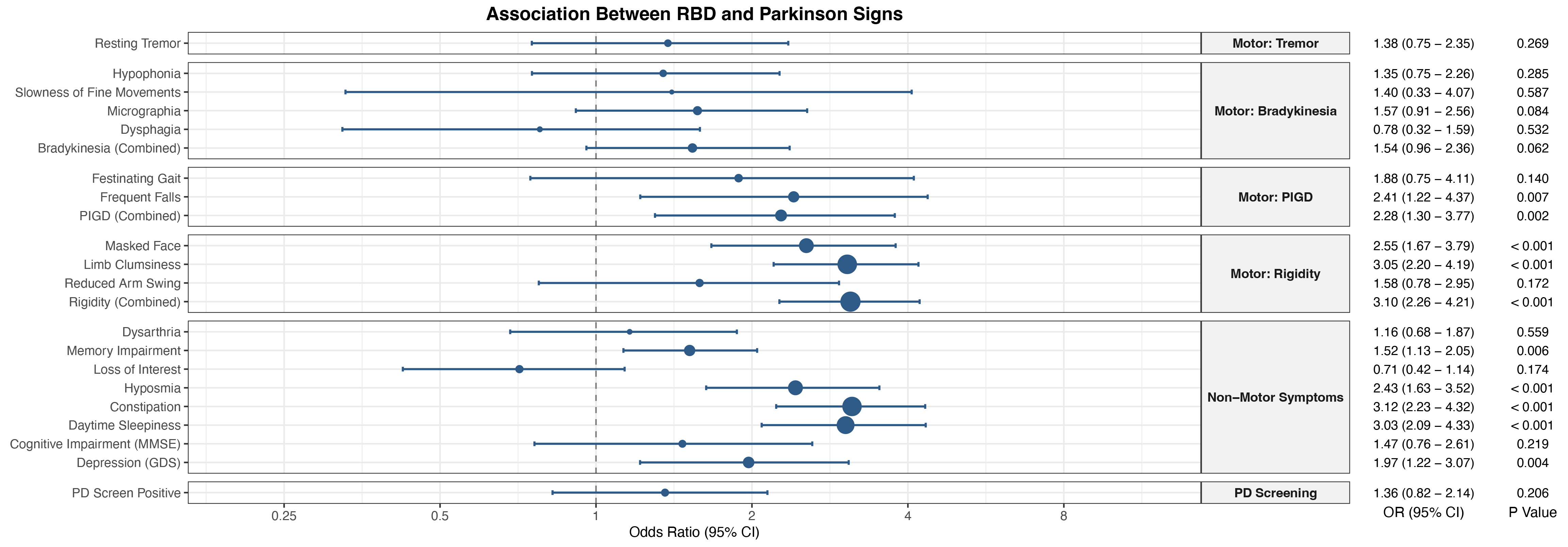
Figure2. Multivariable-adjusted ORs of PD symptoms
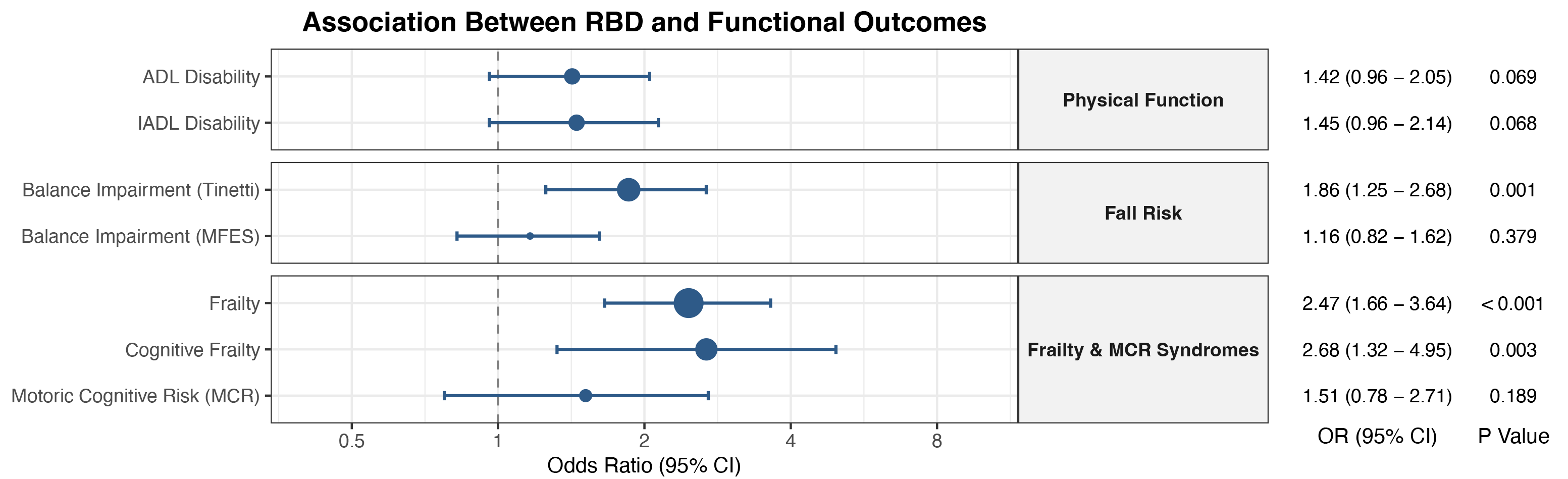
Figure3. Age and sex-adjusted ORs of frailty
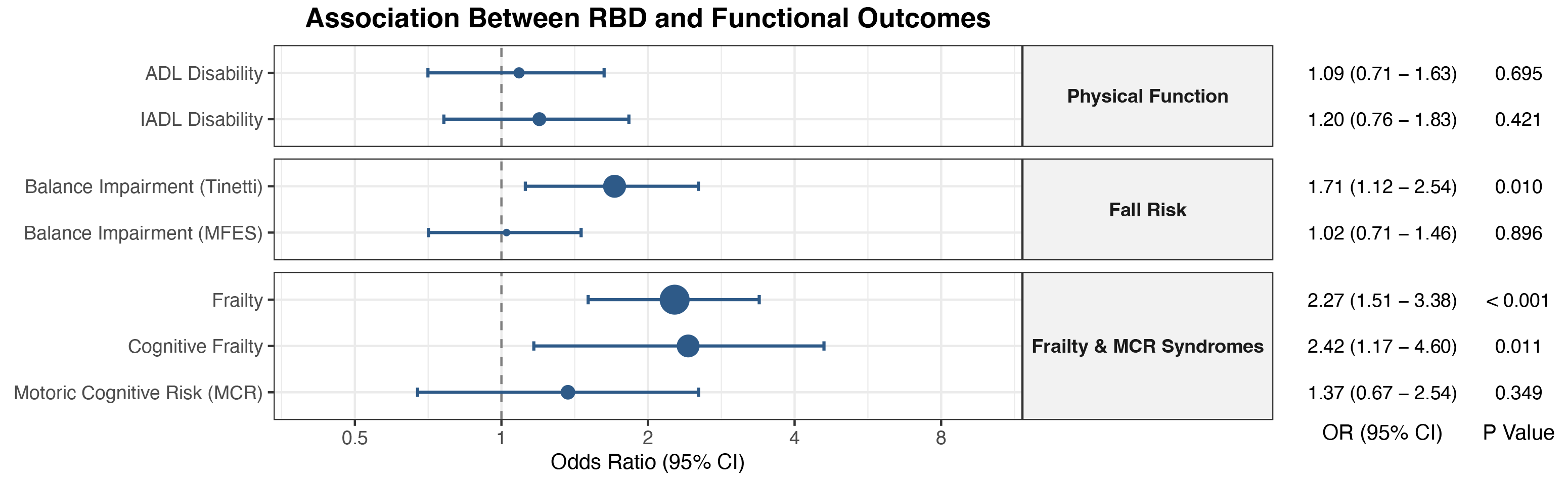
Figure4. Multivariable-adjusted ORs of frailty
To cite this abstract in AMA style:
C. Han, P. Wang, J. Ma, P. Chan. The influence of probable rapid eye movement sleep behavior disorder on PD-related motor and non-motor symptoms and multiple functional outcomes among Chinese community-dwelling elderly population [abstract]. Mov Disord. 2026; 41 (suppl 1). https://www.mdsabstracts.org/abstract/the-influence-of-probable-rapid-eye-movement-sleep-behavior-disorder-on-pd-related-motor-and-non-motor-symptoms-and-multiple-functional-outcomes-among-chinese-community-dwelling-elderly-population/. Accessed October 1, 2026.« Back to 2026 International Congress
MDS Abstracts - https://www.mdsabstracts.org/abstract/the-influence-of-probable-rapid-eye-movement-sleep-behavior-disorder-on-pd-related-motor-and-non-motor-symptoms-and-multiple-functional-outcomes-among-chinese-community-dwelling-elderly-population/