
Objective: To use a data-driven approach to create an optimal SWJ definition and to assess its diagnostic utility in PSP.
Background: The Movement Disorder Society diagnostic criteria for progressive supranuclear palsy (PSP) list frequent square-wave jerks (SWJ) as a suggestive oculomotor feature. A standardized operational definition of SWJ is, however, presently lacking.
Method: We prospectively recruited n=25 with probable PSP, n=54 with Lewy body disease (LBD), n=35 with Alzheimer’s disease (AD), and 93 healthy controls. SWJ were recorded with a visual fixation task using video-oculography. Multiple candidate definitions of SWJ were generated by systematically varying amplitude ranges, intra-SWJ intervals, and constraints on directional reversal and amplitude similarity, producing 120 candidate criteria sets. We applied a nested stratified cross-validation framework to obtain unbiased estimates of diagnostic performance from the outer loop (5-fold repeated 40 times) and to optimise SWJ definitions from the inner loop (5-fold repeated 5 times) [Figure 1]. Area under the curve of operating characteristic curve (AUC) was used to evaluate the diagnostic performance.
Results: Across inner-loop iterations, the criteria set, which consisted of saccade amplitude 0.1–5° and intra-SWJ intervals 20–300ms without constraints on directional reversal or amplitude similarity, most frequently had highest mean AUC across diagnostic comparison [Figure 2]. Using SWJ rate, AUCs from outer loop were 0.85 for PSP vs controls, 0.84 for PSP vs AD, 0.77 for PSP vs LBD, and 0.83 for PSP vs all non-PSP groups. Corresponding positive likelihood ratios ranged from 2.38 to 3.65, and negative likelihood ratios ranged from 0.22 to 0.37 [Table 1]. Post-hoc analyses using this data-driven definition showed that SWJ rate was significantly higher in PSP (control: 15.6 [7.9-27.3], PSP: 66.3 [35.2-109.2] events/min), whereas mean SWJ amplitude and mean intra-SWJ interval did not differ significantly across diagnostic groups [Figure 3].
Conclusion: A data-driven definition based on amplitude 0.1–5° and intra-SWJ intervals 20–300ms may serve as a reproducible operational definition for future neurodegenerative research. SWJ—primarily through increased event frequency rather than altered movement amplitude—provided good discrimination from others but should not be interpreted as a stand-alone diagnostic marker.
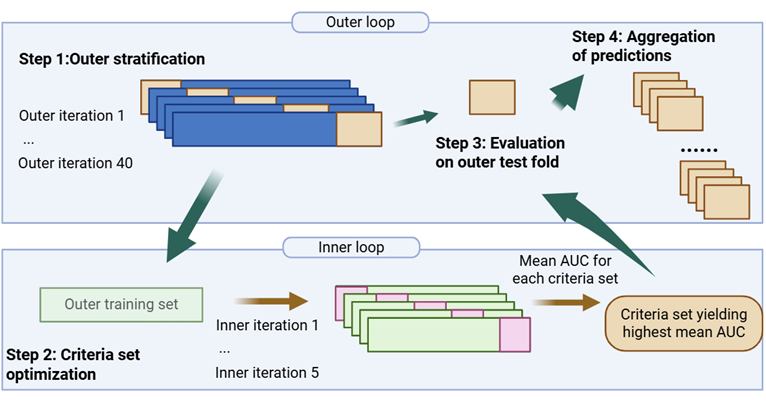
Figure 1. Nested cross-validation framework
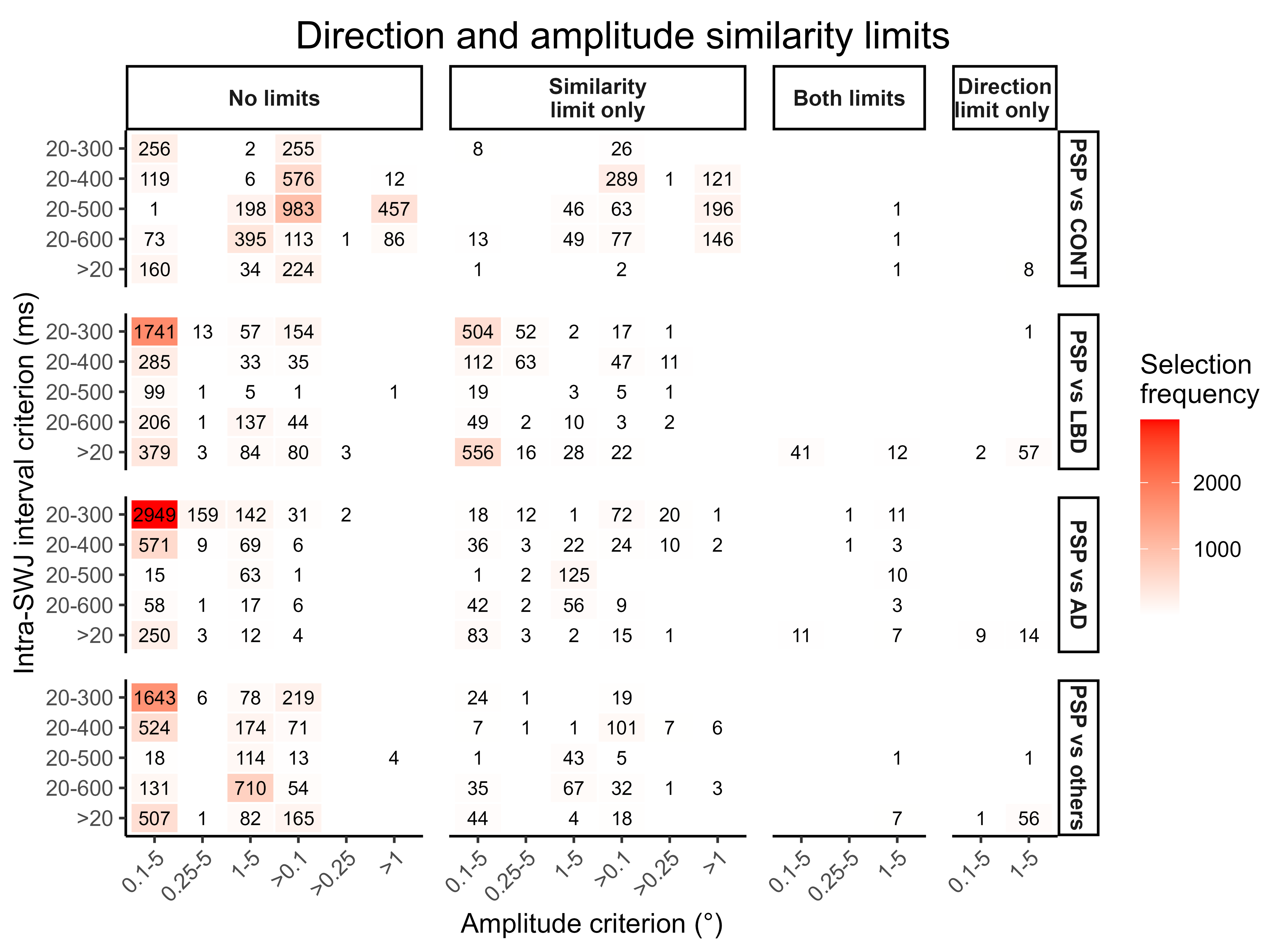
Figure 2. Frequency of selected criteria
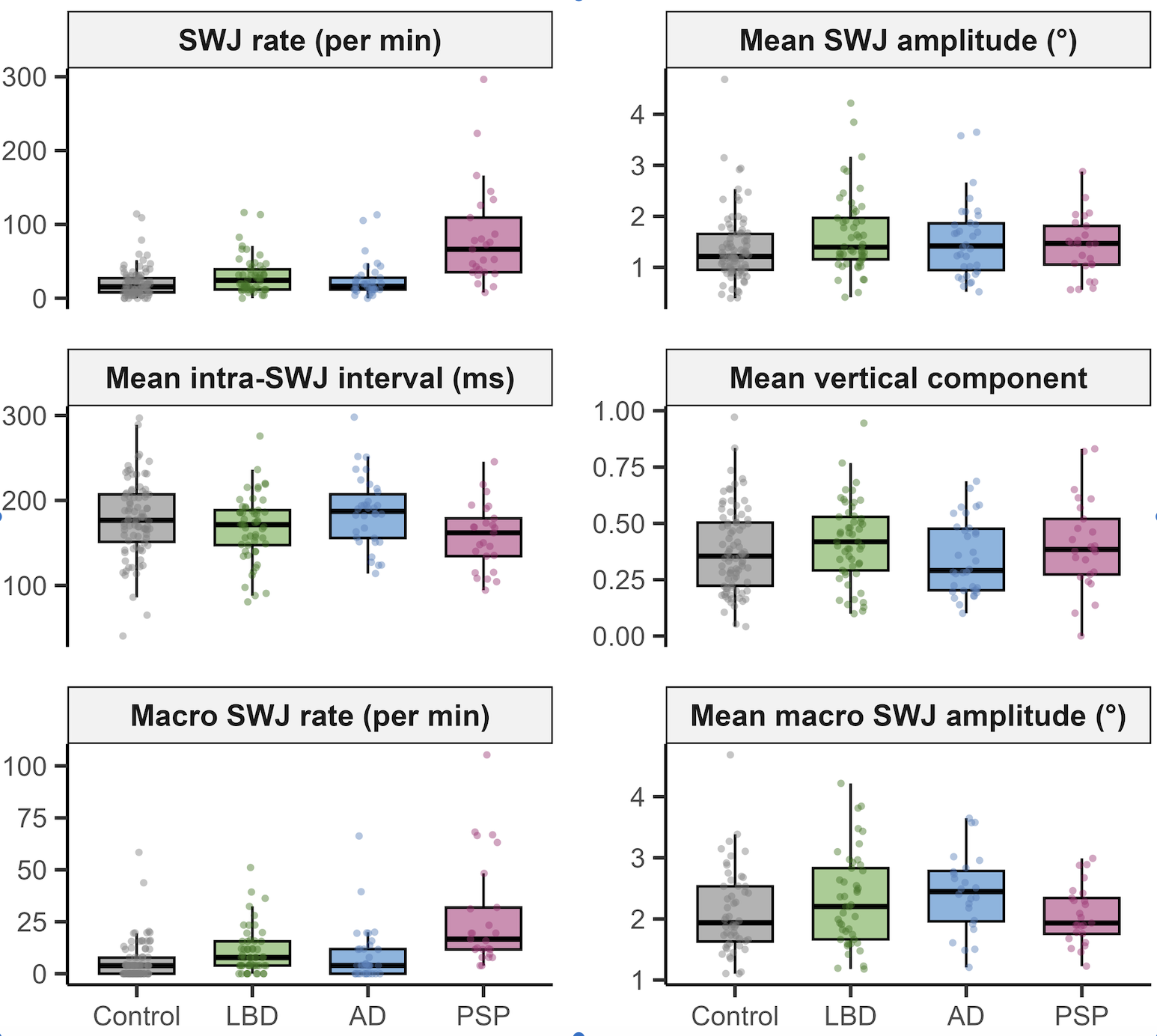
Figure 3. Post-hoc comparison of SWJ features
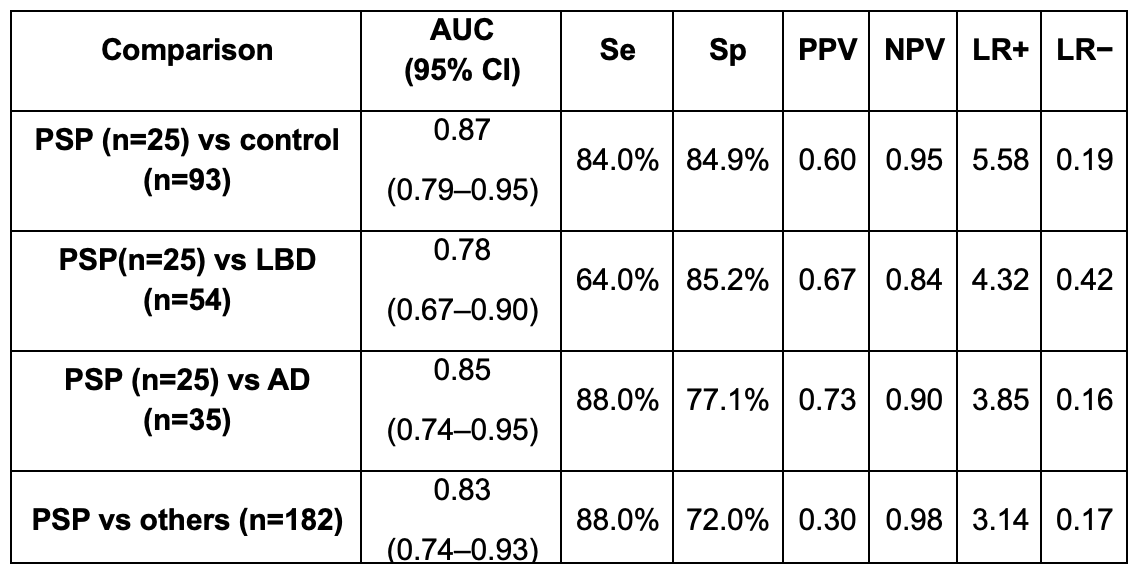
Table 1. Outer diagnostic discrimination of PSP
To cite this abstract in AMA style:
D. Nguyen. Data-driven operational definition of square-wave jerks to optimize diagnostic discrimination of progressive supranuclear palsy [abstract]. Mov Disord. 2026; 41 (suppl 1). https://www.mdsabstracts.org/abstract/data-driven-operational-definition-of-square-wave-jerks-to-optimize-diagnostic-discrimination-of-progressive-supranuclear-palsy/. Accessed October 1, 2026.« Back to 2026 International Congress
MDS Abstracts - https://www.mdsabstracts.org/abstract/data-driven-operational-definition-of-square-wave-jerks-to-optimize-diagnostic-discrimination-of-progressive-supranuclear-palsy/