
Objective: This study aims to explore the functions of PLA2G6 protein at the endoplasmic reticulum-mitochondria interface, unveiling the potential mechanisms of PLA2G6-related Parkinson’s disease (PD) pathogenesis.
Background: PD is a severe neurodegenerative disorder. Deficiencies in PLA2G6 protein are closely associated with PD, and previous studies suggest that PLA2G6 may be involved in the regulation of ceramide metabolism through its connection with the endoplasmic reticulum-mitochondria interface, thus influencing the onset and progression of PD. However, the specific mechanisms remain unclear.
Method: We employed complementary genetic, cellular, and pharmacological strategies to elucidate the contribution of PLA2G6 to Parkinson’s disease pathogenesis. Neuronal and mitochondrial abnormalities were evaluated using a PLA2G6 D331Y knock-in mouse model, PLA2G6-deficient cell lines, and patient-derived dopaminergic neurons. ER–mitochondria associations and related protein interactions were characterized through focused ion beam–scanning electron microscopy (FIB-SEM), subcellular fractionation, and biochemical analyses. Additionally, mitochondrial respiration, Ca²⁺ dynamics, and oxidative stress were assessed using functional assays. In addition, GRP75 overexpression were examined for their ability to rescue disease-associated phenotypes.
Results: PLA2G6 deficiency disrupts ER–mitochondria contacts in vivo and in vitro, accompanied by reduced GRP75 abundance at MAMs. Loss of PLA2G6 also impairs the IP3R–GRP75–VDAC1 tethering complex and mitochondrial Ca²⁺ uptake, at least in part through accelerating GRP75 degradation. Functionally, GRP75 restoration rescues both MAM-associated defects and mitochondrial injury caused by PLA2G6 deficiency.
Conclusion: Collectively, our study identifies that loss of PLA2G6 disrupts MAM integrity, impairs mitochondria, and drives neurodegeneration, thereby providing a mechanistic rationale for targeting GRP75 in both PLA2G6-linked and sporadic PD.
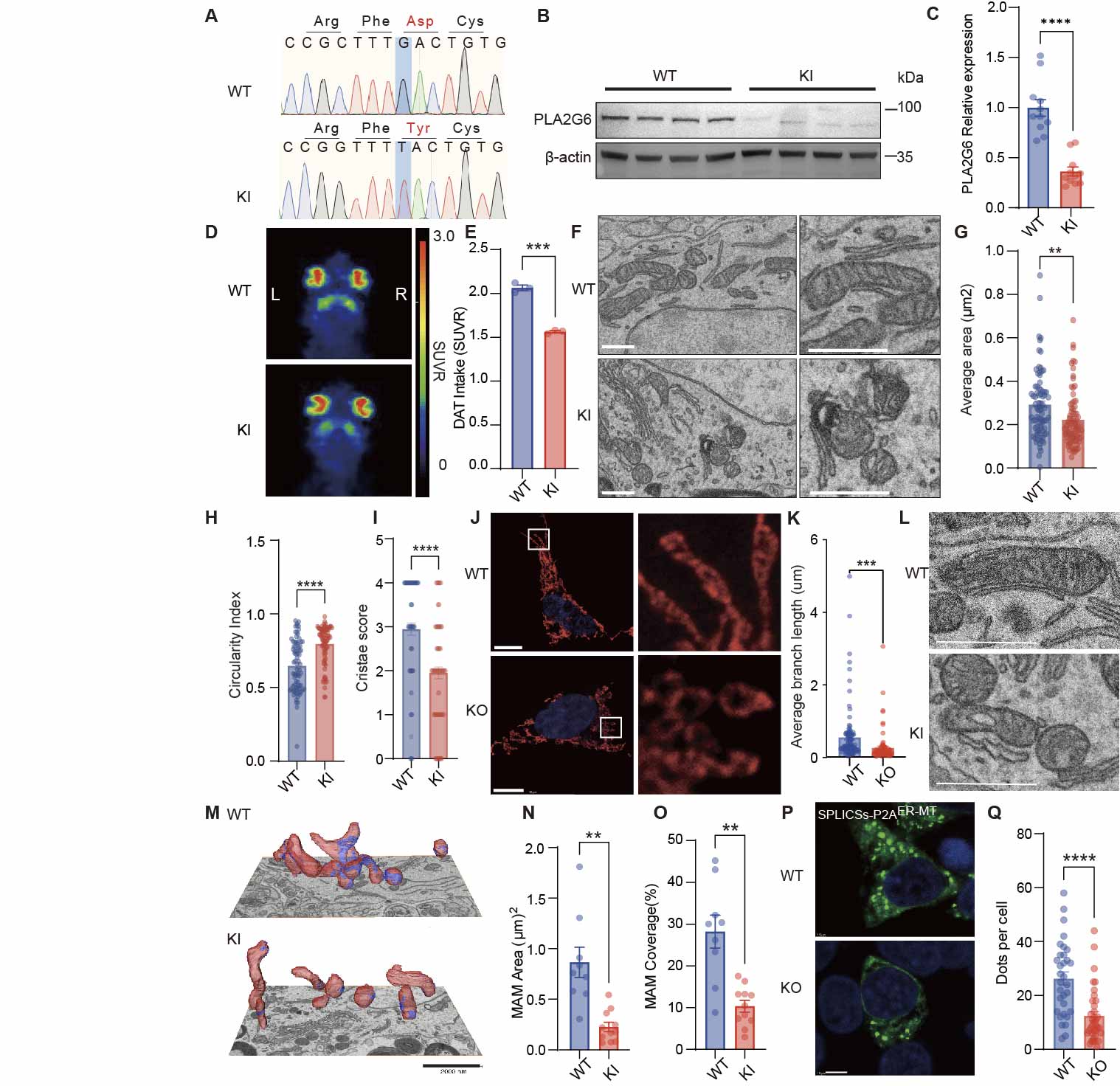
PLA2G6 deficiency
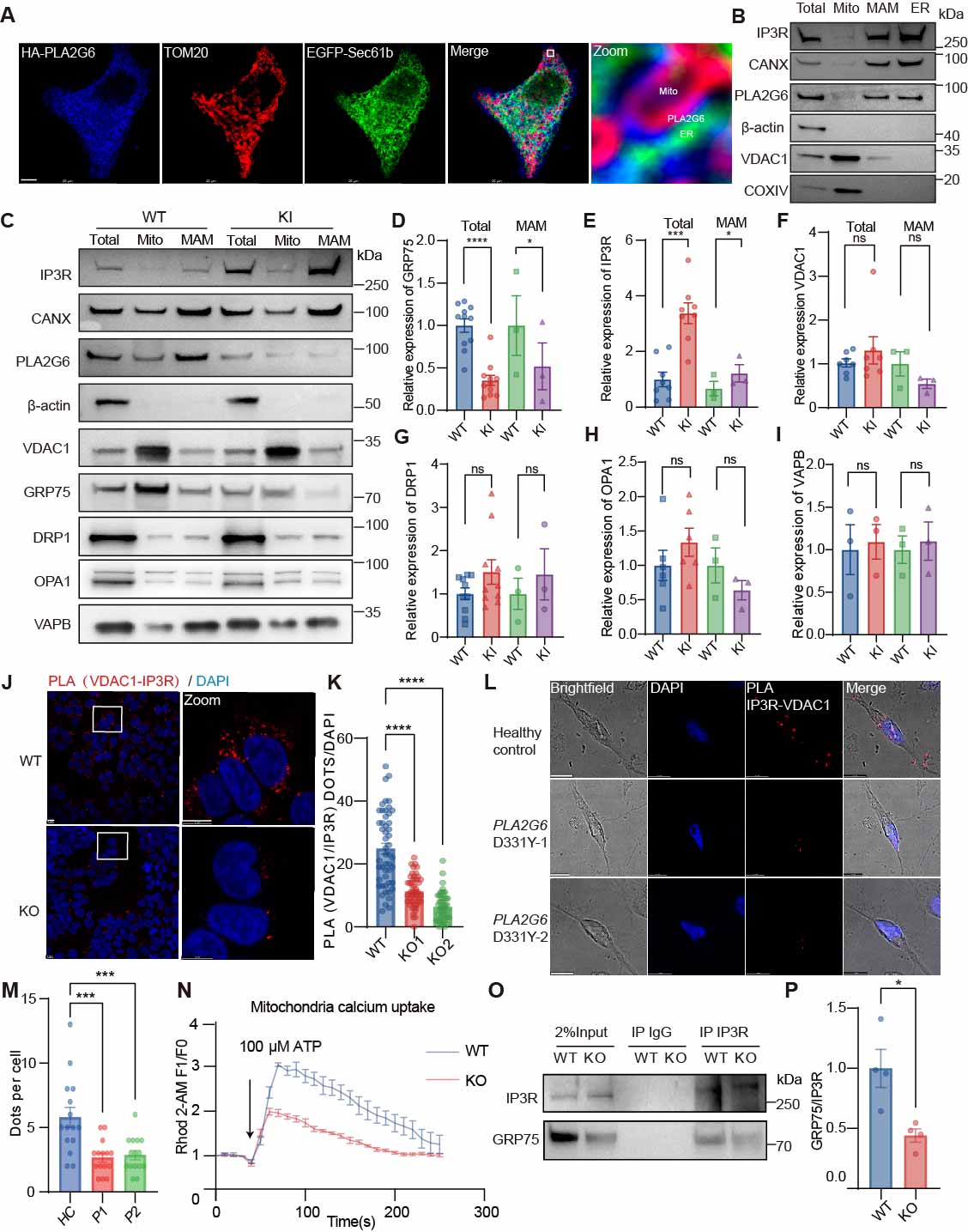
PLA2G6 deficiency impairs the IP3R-GRP75-VDAC1
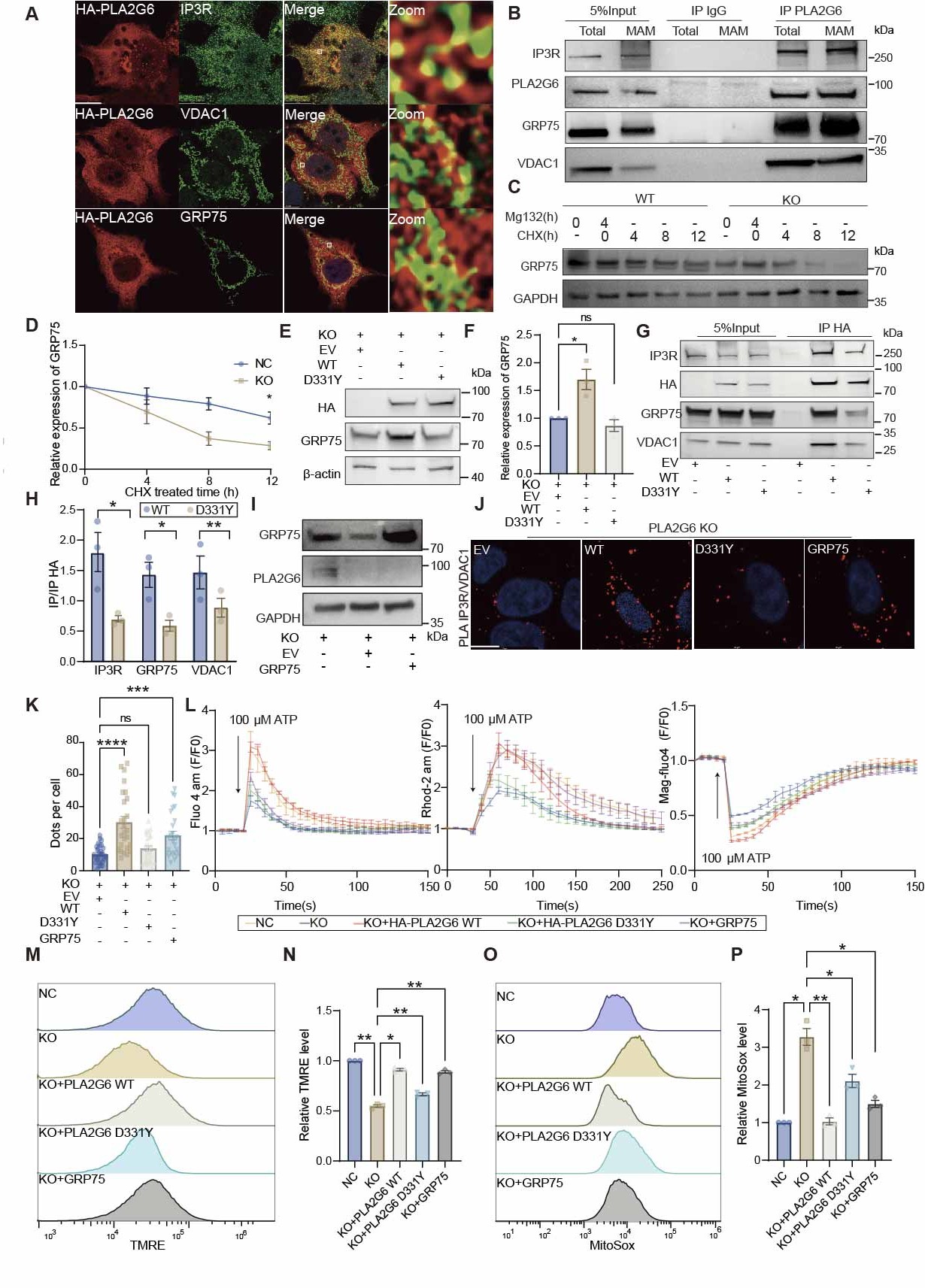
GRP75 overexpression
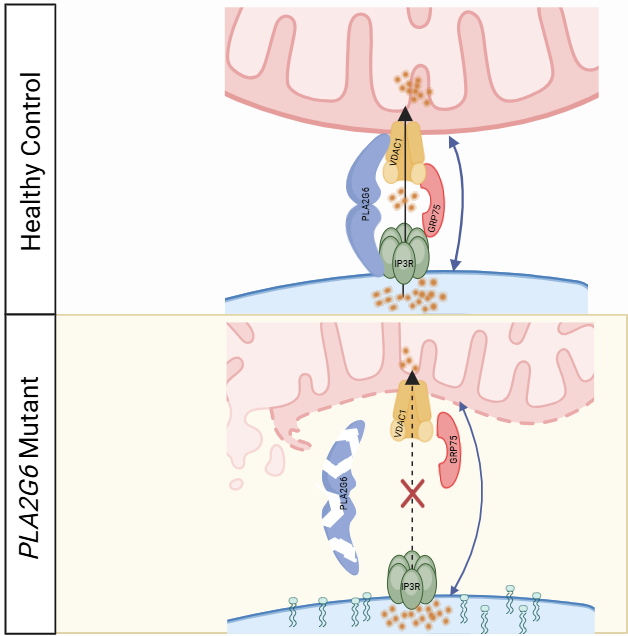
Graphic abstract
To cite this abstract in AMA style:
JB. Liu, BS. Tang, JQ. Tan, JF. Guo. Mechanisms of PLA2G6 Deficiency Impacting Mitochondria-associated membranes in Parkinson’s Disease [abstract]. Mov Disord. 2026; 41 (suppl 1). https://www.mdsabstracts.org/abstract/mechanisms-of-pla2g6-deficiency-impacting-mitochondria-associated-membranes-in-parkinsons-disease/. Accessed October 1, 2026.« Back to 2026 International Congress
MDS Abstracts - https://www.mdsabstracts.org/abstract/mechanisms-of-pla2g6-deficiency-impacting-mitochondria-associated-membranes-in-parkinsons-disease/