
Category: Parkinsonism (Other)
Objective: Here, we outlined the blood lipid profile, including derived indices of metabolic dyshomeostasis, in iNPH patients, and investigated relationships with brain MRI-based pathology markers, and long-term clinical outcomes.
Background: Idiopathic normal pressure hydrocephalus (iNPH) has a multifactorial pathogenesis[1] in which blood lipids may be theoretically involved, although in vivo evidence is lacking.
Method: We conducted a dual-center longitudinal study included 67 iNPH patients[table1]. At baseline, patients were assessed with the iNPH Grading Scale and the Modified Rankin Scale (mRS), the measurement of serum triglycerides (TG), total cholesterol, high-density lipoprotein (HDL), non-HDL, both the TG/HDL and neutrophil/HDL (NHR) ratios, the brain MRI-based evaluation of ventricular size and enlarged perivascular spaces (EPVS), and the APOE genotype. Depending on the five-year mRS score, patients were stratified per outcome[table2]. A control group of 38 controls was also enrolled[table1]. Variables were compared with ANCOVA, correlations tested, and ROC analysis.
Results: iNPH patients had TG, TG/HDL and NHR higher, and HDL lower than controls[figure1]. Among lipid level abnormalities, the increased TG/HDL ratio was the index most significantly associated with greater enlargement of centrum semiovale-EPVS at baseline (p = 0.012)[figure2], and worse long-term outcome at 5 years (AUC 0.81; cut-off value 2.40: 80% sensitivity, 67% specificity)[figure3]. Findings were independent of APOE genotype.
Conclusion: iNPH exhibit a characteristic lipid profile consistent with metabolic dysregulation and insulin resistance. Lipid levels and the TG/HDL index specifically may possibly reflect glymphatic dysfunction and predict the long-term outcome, emerging as an accessible readout of a complex pathogenic framework useful for patient stratification.
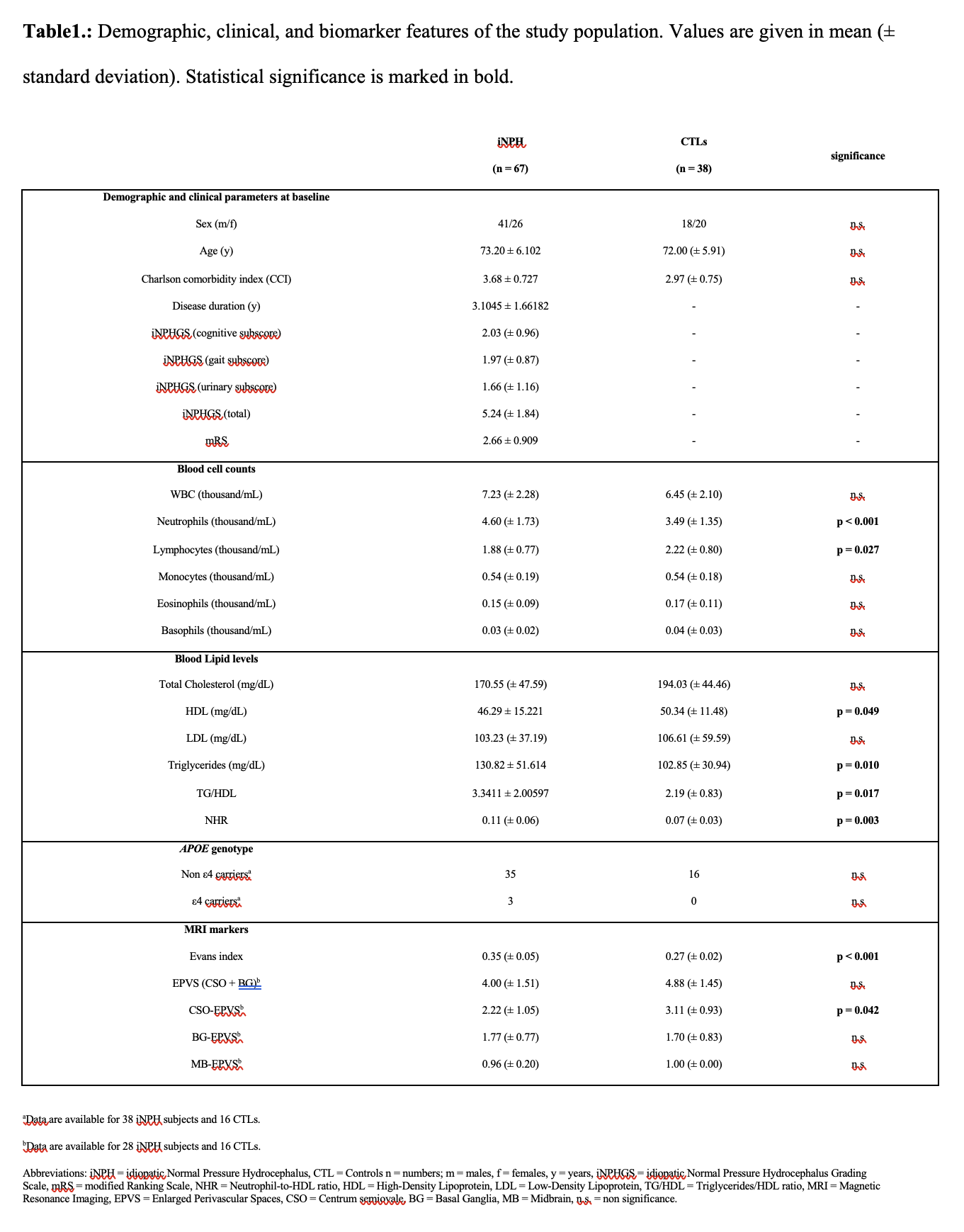
Table 1
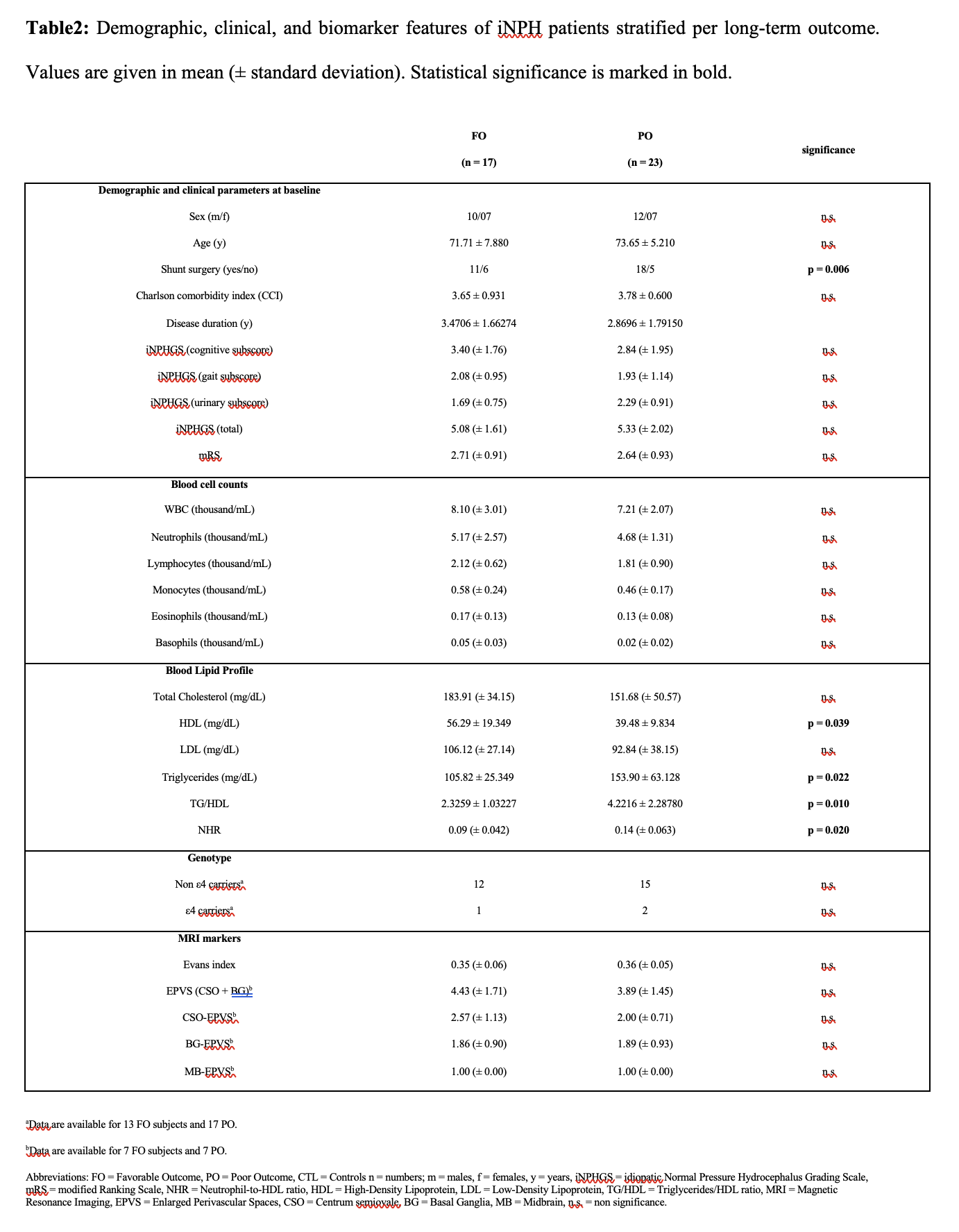
Table 2
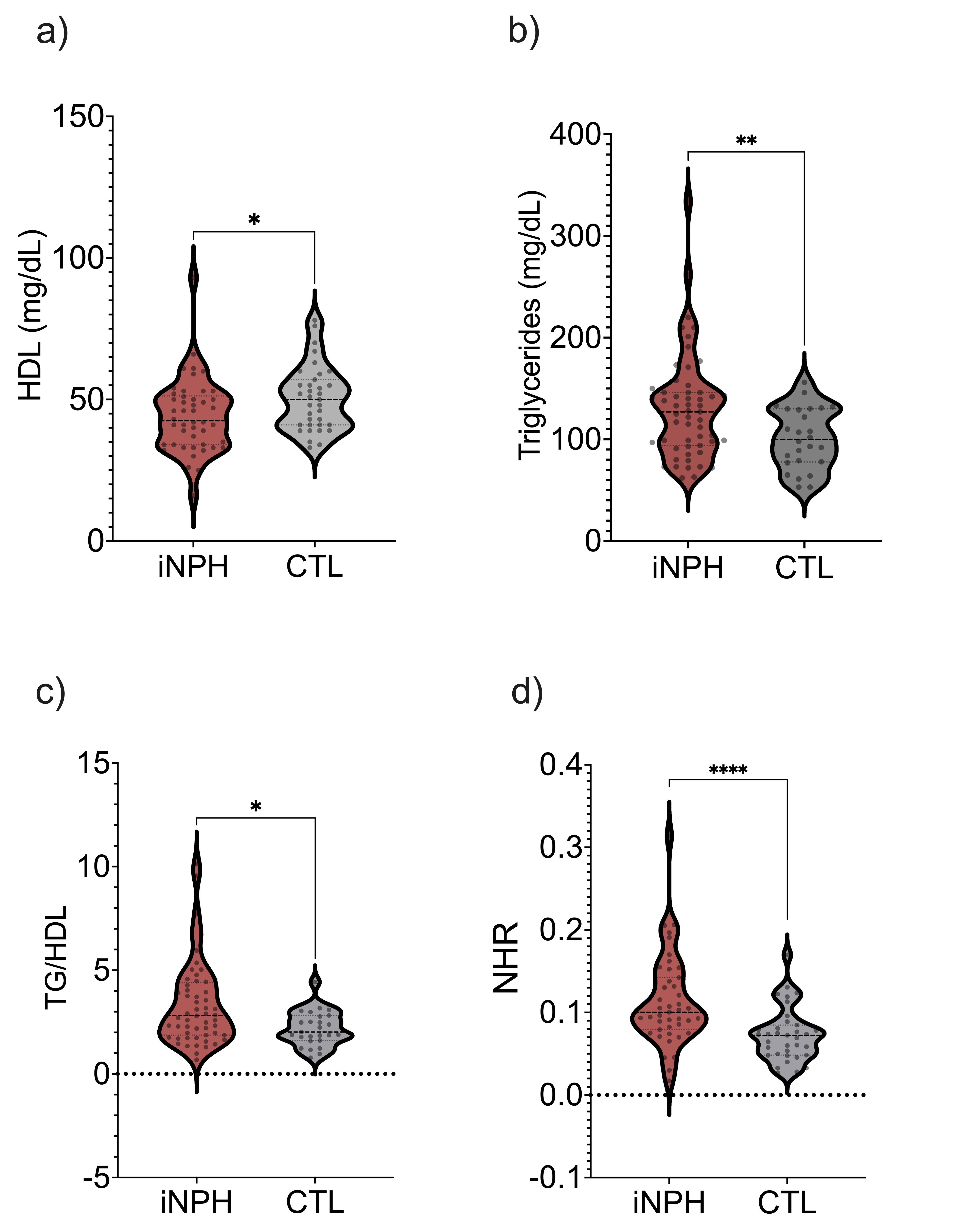
Figure 1
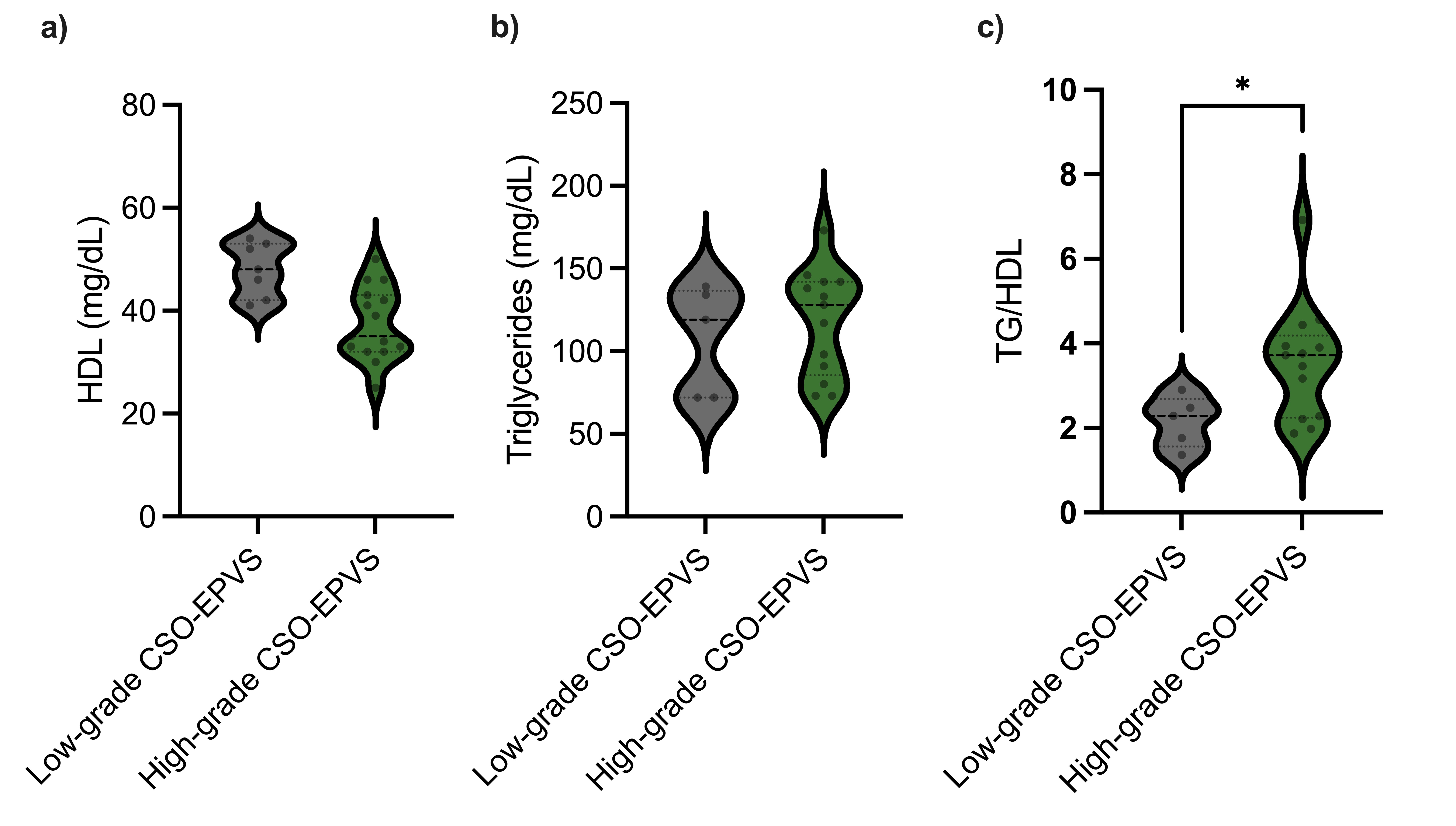
Figure 2
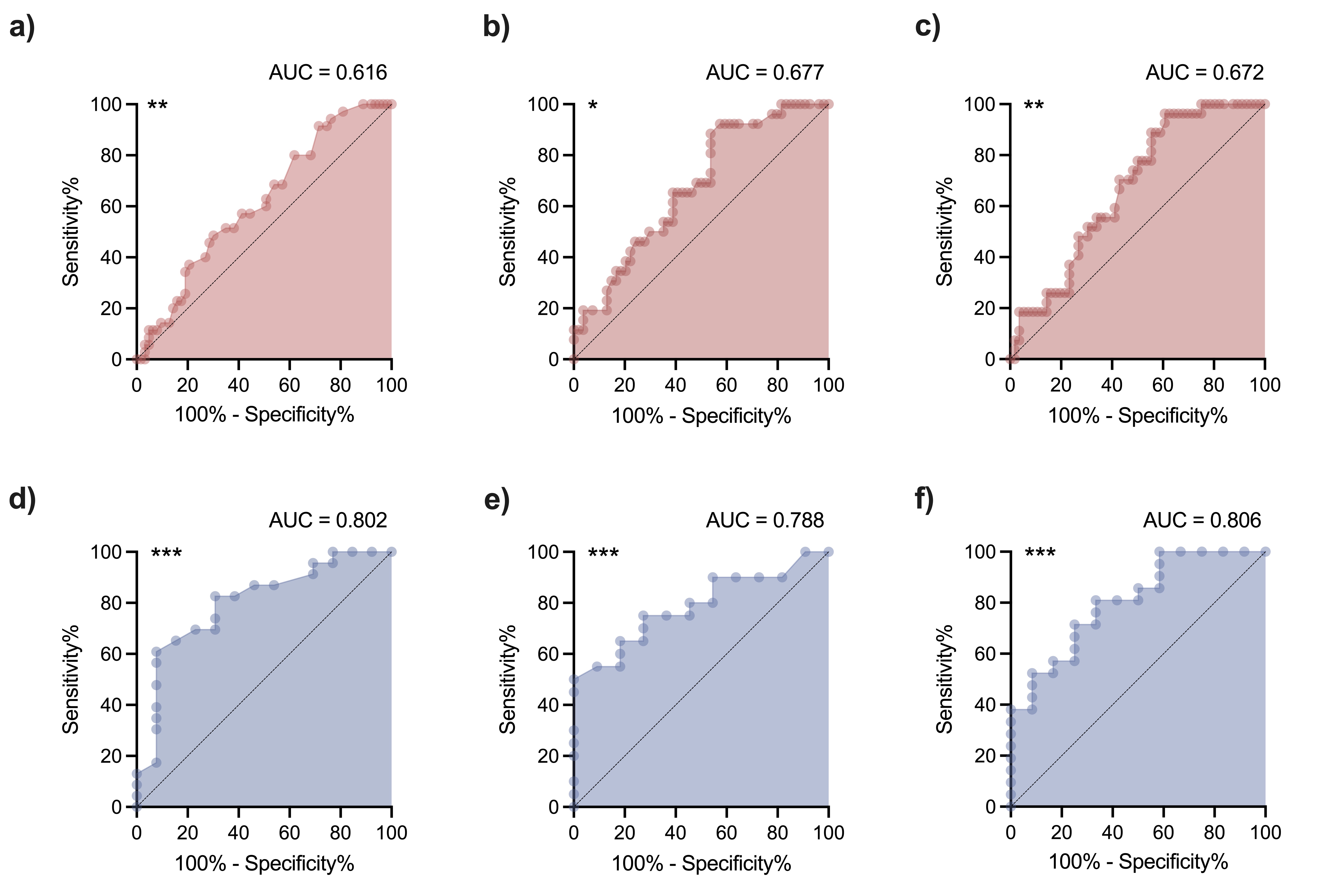
Figure 3
References: 1. Bonney PA, Briggs RG, Wu K, et al (2022) Pathophysiological Mechanisms Underlying Idiopathic Normal Pressure Hydrocephalus: A Review of Recent Insights. Front. Aging Neurosci. 14
To cite this abstract in AMA style:
J. Bissacco, D. Mascioli, C. Simonetta, M. Mancini, V. Buttarazzi, M. Conti, F. Veltri, S. Bagetta, M. Pierantozzi, A. Stefani, F. Buttari, D. Centonze, A. Pesce, M. Pieri, S. Borrelli, F. Di Giuliano, T. Schirinzi. Contribution of blood lipid profile to long-term outcome in idiopathic normal pressure hydrocephalus [abstract]. Mov Disord. 2026; 41 (suppl 1). https://www.mdsabstracts.org/abstract/contribution-of-blood-lipid-profile-to-long-term-outcome-in-idiopathic-normal-pressure-hydrocephalus/. Accessed October 1, 2026.« Back to 2026 International Congress
MDS Abstracts - https://www.mdsabstracts.org/abstract/contribution-of-blood-lipid-profile-to-long-term-outcome-in-idiopathic-normal-pressure-hydrocephalus/